“There are few authentic prophetic voices among us, guiding truth-seekers along the right path. Among them is Fr. Gordon MacRae, a mighty voice in the prison tradition of John the Baptist, Maximilian Kolbe, Alfred Delp, SJ, and Dietrich Bonhoeffer.”
— Deacon David Jones
A Modern Orthodox Jew on Preserving Hebrew and the Latin Mass
A conversation between Father Gordon MacRae and his friend, a Modern Orthodox Jewish scholar, has something to add to the debate about preserving Latin in the Mass.
A conversation between Father Gordon MacRae and Seth Bader, a Modern Orthodox Jewish scholar, has something to add to the debate about preserving Latin in the Mass.
July 22, 2026 by Seth Bader, J.D. with an Introduction by Father Gordon MacRae
Introduction
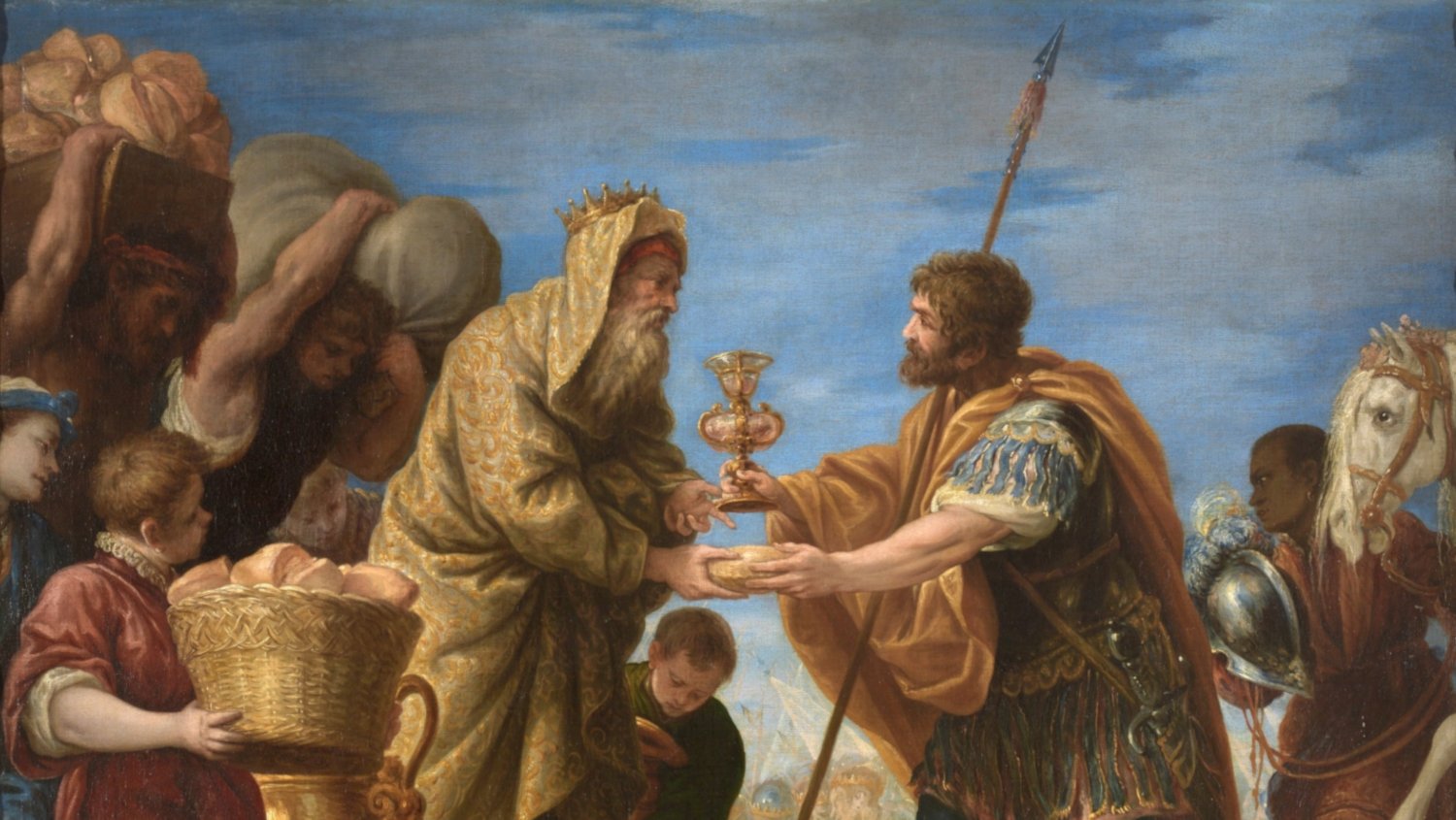
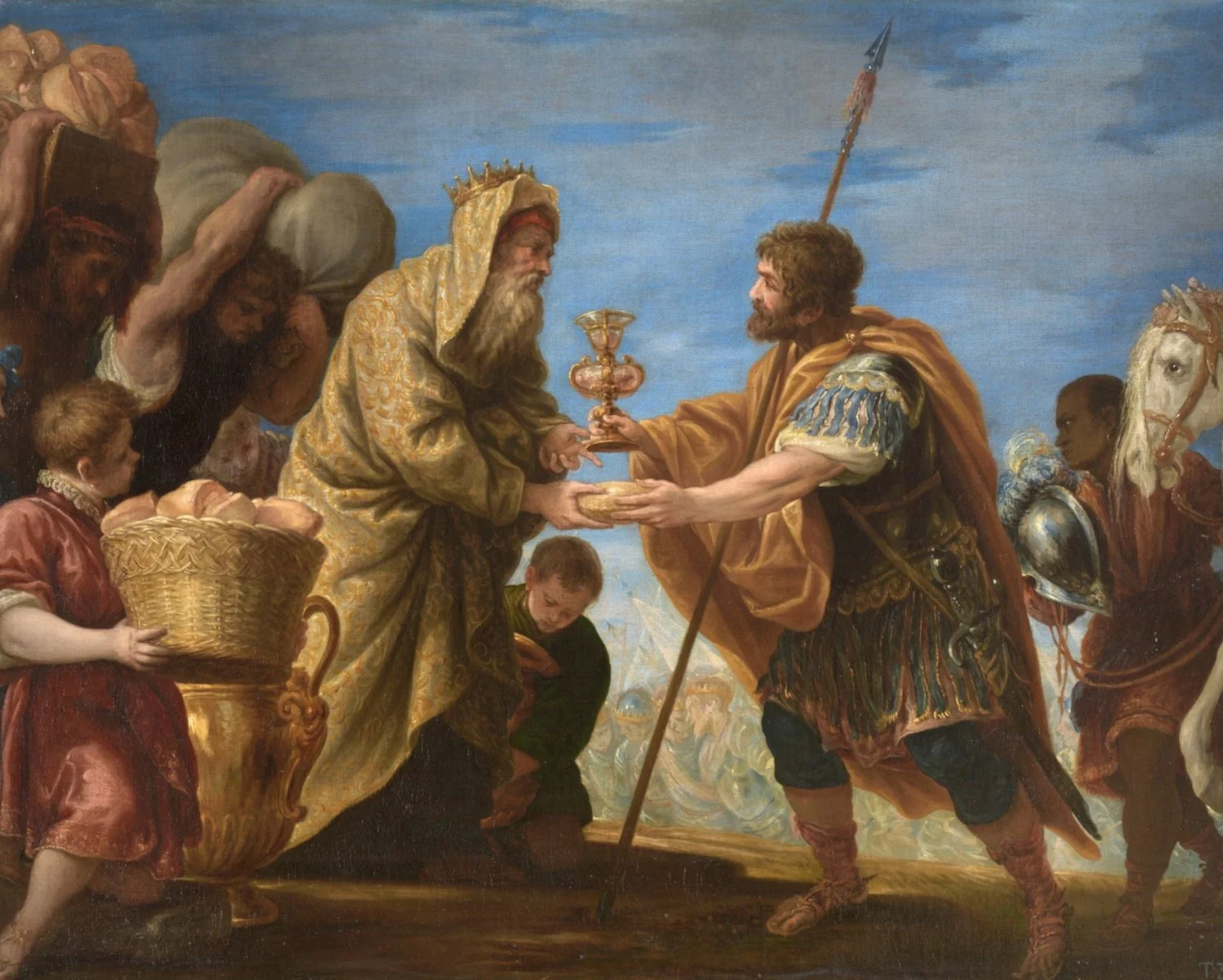
In the image above this post, Melchizedek, the Priest-King of Genesis 14, blesses Abraham with a sacrificial offering of bread and wine (The Meeting of Abraham and Melchizedek painted by Juan Antonio de Frias y Escalante in 1668, housed at the Museo del Prado in Madrid, Spain).
The affairs of Rome have not been the only source of heat throughout the world in recent weeks. The winds of war have reached hurricane force, and the rule of law and authority in both Church and State clashes against public sentiment. And the weather has not cooperated at all. It is about 105 degrees inside this place on the day I write. None of this has been comfortable.
Back in 2021, I wrote a post entitled, “A House Divided: Cancel Culture and the Latin Mass.” This appears to be at or near the center of the SSPX revolt in the Church. You may have seen news recently that Pope Leo XIV is reported to have excommunicated the Society of Saint Pius X, a conservative sect of Catholicism. Adherents to the sect have also reportedly been excommunicated.
Most importantly, I have just been corrected in my perception of this by a well-known and prominent canon lawyer who read my post with some alarm. The situation is not at all what is commonly understood. Pope Leo did not excommunicate the SSPX. Please read carefully these words from my canon lawyer friend:
“Six men, the four new bishops and the two conservators, were excommunicated by the law itself, and the penalty was later “declared” by the Prefect of the Dicastery of the Doctrine of the Faith (DDF). A note issued by the DDF stated that the clergy of the SSPX were excommunicated because their adherence to the Society was an act of schism for which there is a latae sententiae excommunication. That excommunication has NOT been declared, which means it is a matter of conscience for those affected. It has not entered the external forum and may be lifted through a confessor or directly through the Apostolic Penitentiary. The declared excommunication of the bishops is now public fact and is in the external forum. As for the laity, they are excommunicated only if they adhere to the schismatic mentality. It, too, is only in the internal forum. Mere attendance at the SSPX’s valid, but illicit, masses does not excommunicate them.”
The trigger for this action was that SSPX had elevated four bishops ordained without the approval of the Pope and outside the Laws of the Church.
I wrote a post a while back during the papacy of Pope Francis entitled, “Will Pope Francis Stand Against Catholic Schism?” Many of us are now left to wonder whether the nuclear option, excommunication, was the only step left. It raises many questions on both sides of the Liberal-Traditional divide in the Church. Now, here we are.
The title of a related post, “My Father’s House Has Many Rooms,” comes from the Gospel of John, Chapter 14, verse 2. It is seen by scholars as a reference to the Jerusalem Temple, hinting of its heavenly sanctuary, the dwelling place of angels and saints who worship in eternal liturgy. The Letter to the Hebrews describes it:
“You have come to Mount Zion, to the City of the Living God in the heavenly Jerusalem, to choirs of angels in festal gathering and the assembly of the firstborn enrolled in heaven, to a judge who is God of all, and to the spirits of the just made perfect, and to Jesus, mediator of a new covenant, and to the sprinkled blood that speaks more graciously than the blood of Abel.”
— Hebrews 12:22-24
After I wrote that post, I asked a friend here to read it. He is an attorney, a prisoner, and a scholarly Modern Orthodox Jew. He responded by telling me that the Catholic controversy over Latin Mass is very similar to a controversy over the use of Hebrew in liturgy and prayers. I asked if he would develop a comment about that, and it turned into this post. What follows is from Seth Bader, J.D.
+ + +
In September of 2025, I happened to read an opinion piece in The Wall Street Journal about the late Pope Francis and his effort to stamp out the Traditional Latin Mass, and the sadness and bitterness thereby engendered amongst Roman Catholics of conservative inclinations. That opinion piece got me to thinking about the over-a-century-old, and now largely forgotten, disputes within the Jewish community about the liturgical and conversational use of Hebrew.
By way of introduction, I am a lawyer and an amateur historian now in my middle sixties and incarcerated. I was raised as a Modern Orthodox Jew; my observance thereof as an adult leaves something to be desired. But I am working on it.
To start with, brief descriptions of Latin and Hebrew are in order. They are both ancient languages. Latin ceased to be a national language in the centuries after the fall of the Western Roman Empire in the late 400’s AD. Its offsprings, French, Italian, Spanish, Portuguese and Romanian, are all national languages to this day. The Latin alphabet is used in all western European languages. Latin is known today to scholars and to Roman Catholic priests, but I was shocked to learn that in seminaries it is barely taught at all today, but there are signs that this is changing. A recent resurgence of interest in the Traditional Latin Mass has had the effect of reviving interest in liturgical Latin among faithful Catholics and Tradition-minded priests.
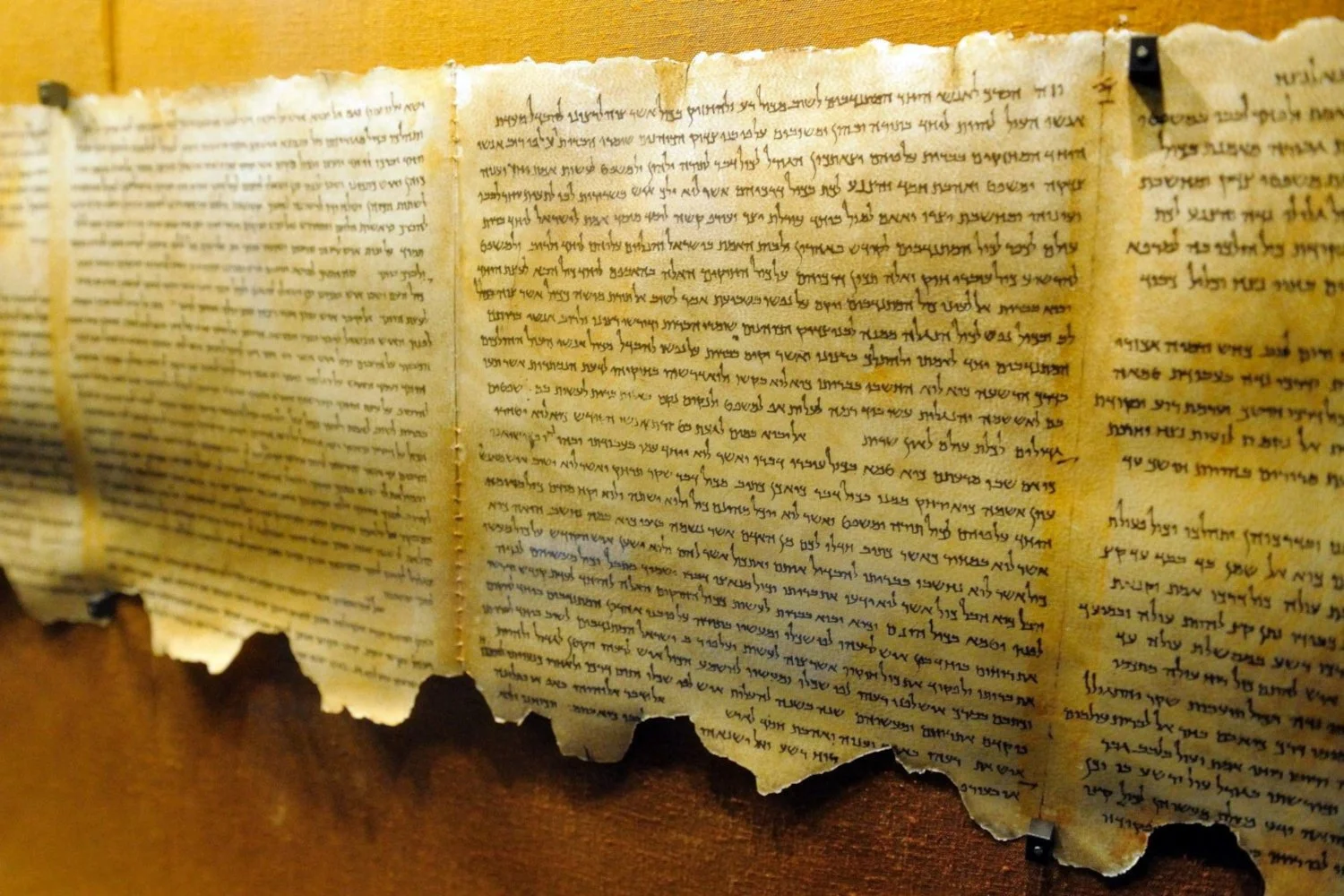
Hebrew is a descendant of an extinct language, Phoenician, and is related to two other extinct languages, Aramaic and Syriac. It has some resemblance to Arabic. Its alphabet is unique. Hebrew ceased to be a national language after Israel lost its independence and became part of the Roman Empire. Hebrew remained in use among observant Jews for prayer and for reading the Scriptures.
In the middle to late 1800s, first in Europe and then in the United States, a movement known as the “Haskalah,” or Jewish Enlightenment, arose. That movement consisted of efforts by Jews to better fit into the surrounding non-Jewish communities while retaining core Jewish beliefs and customs. Such efforts included abandoning distinctively Jewish clothing, attending college, and conducting synagogue services in a modern language such as English, rather than Hebrew, among other things.
Three Jews who were products of the Haskalah changed the world, for better or for worse. They were Karl Marx, Sigmund Freud, and Albert Einstein. The Modern Orthodox, Conservative, and Reformed branches of Judaism all have their roots in the Haskalah. (Incidentally, Hasidic, or Ultra-Orthodox Judaism, originated in Eastern Europe only about a century and a half before the Haskalah.)
The use of modern languages rather than Hebrew in Reform synagogues scandalized Modern Orthodox and Ultra Orthodox Jews to some extent, but never came close to causing a schism — to borrow a nonJewish expression — and is now generally tolerated on both sides of the linguistic divide. In part, that is because Judaism has no central authority comparable to the Papacy. And in part, that is because rabbinic teaching has long held that, while Hebrew is preferred for prayer and study of the Scriptures, any language may be used for those purposes by a Jew who knows no Hebrew (and many Reform Jews do not know Hebrew.) That said, it is utterly unthinkable that any authority in Judaism would bar the use of Hebrew in liturgy, prayer or study.
A second Hebrew-versus-modern language dispute arose in the early 20th century and has never quite died out. But has also never posed much of a threat to Jewish unity. That dispute arose from the Zionist movement, which sought — with eventual success — to reestablish a sovereign Jewish nation in the historical territory of the Land of Israel. The early Zionists, more than a century ago, sought to create a modern form of Hebrew, suitable for daily conversational use outside of synagogues. The Zionists succeeded in doing so, and millions of Israeli citizens now speak modern Hebrew as their primary language.
I rather like Father MacRae’s treatise, “My Father’s House Has Many Rooms” and his explanation therein of the “Sensus Fidelium,” the sense of the faithful in practice and belief over many generations of the past. They constitute the vast majority, not in place of papal authority but in support of it. Such inclusion of the generations of the past is very similar to the beliefs and practice of Orthodox Judaism.
+ + +
Seth Bader earned undergraduate degrees in physics and history at the City University of New York, and his Juris Doctor degree from Hofstra University School of Law.
+ + +
Note from Father Gordon MacRae: I thank Seth Bader for this learned contribution to our discussion about the role of Latin in the Mass. There is much more to learn about the links between modern and ancient times in Salvation History. You may like these related posts:
A House Divided: Cancel Culture and the Latin Mass
My Father’s House Has Many Rooms. Is There a Room for Latin Mass?
Iran, by Another Name, Was Once the Savior of Israel
Qumran: The Dead Sea Scrolls and the Coming Apocalypse
This post will be added to our feature presentation of “The Bible Speaks.”

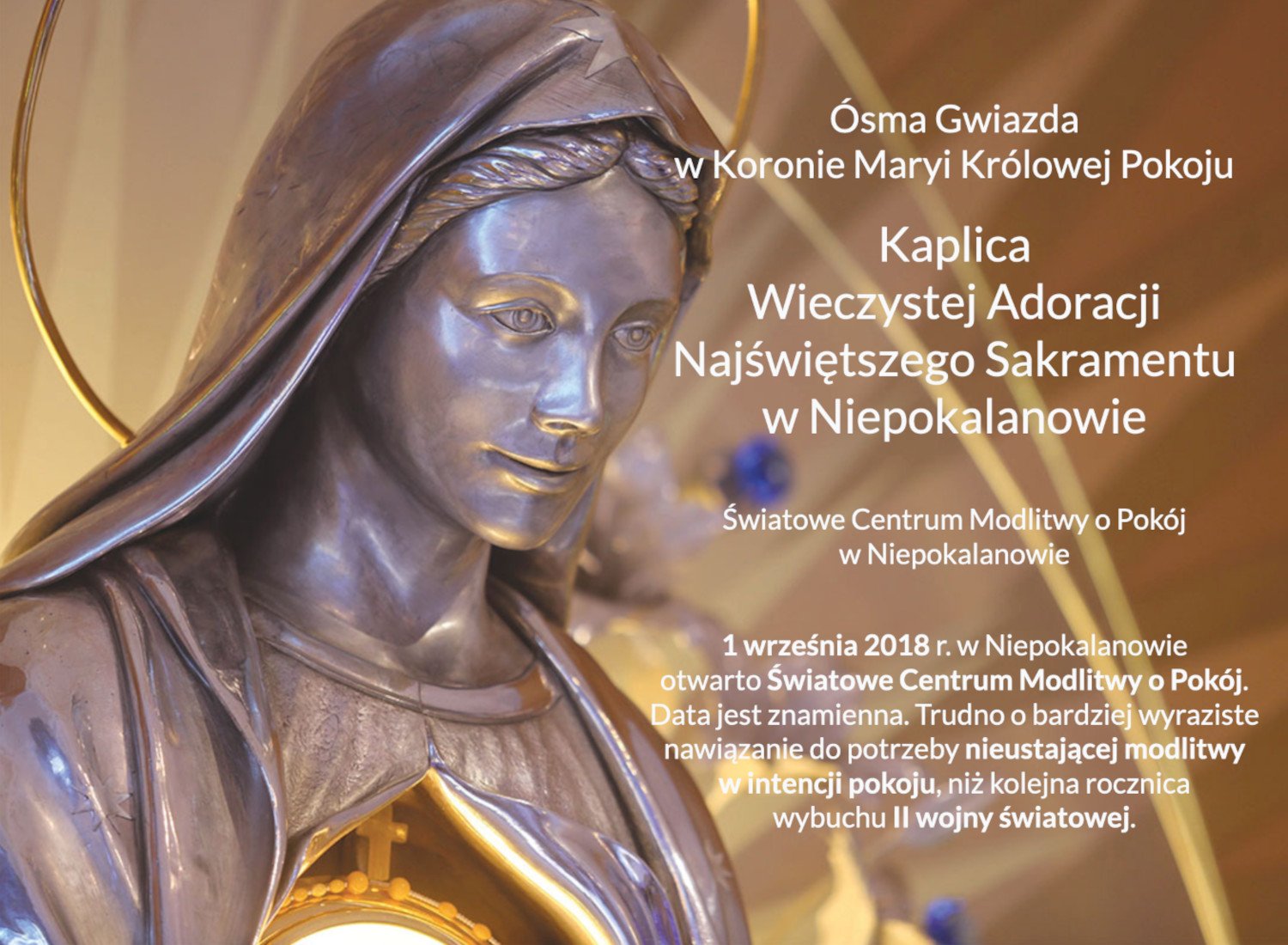

The Eucharistic Adoration Chapel established by Saint Maximilian Kolbe was inaugurated at the outbreak of World War II. It was restored as a Chapel of Adoration in September, 2018, the commemoration of the date that the war began. It is now part of the World Center of Prayer for Peace. The live internet feed of the Adoration Chapel at Niepokalanow — sponsored by EWTN — was established just a few weeks before we discovered it and began to include in at Beyond These Stone Walls. Click “Watch on YouTube” in the lower left corner to see how many people around the world are present there with you. The number appears below the symbol for EWTN.
Click or tap here to proceed to the Adoration Chapel.
The following is a translation from the Polish in the image above: “Eighth Star in the Crown of Mary Queen of Peace” “Chapel of Perpetual Adoration of the Blessed Sacrament at Niepokalanow. World Center of Prayer for Peace.” “On September 1, 2018, the World Center of Prayer for Peace in Niepokalanow was opened. It would be difficult to find a more expressive reference to the need for constant prayer for peace than the anniversary of the outbreak of World War II.”
For the Catholic theology behind this image, visit my post, “The Ark of the Covenant and the Mother of God.”
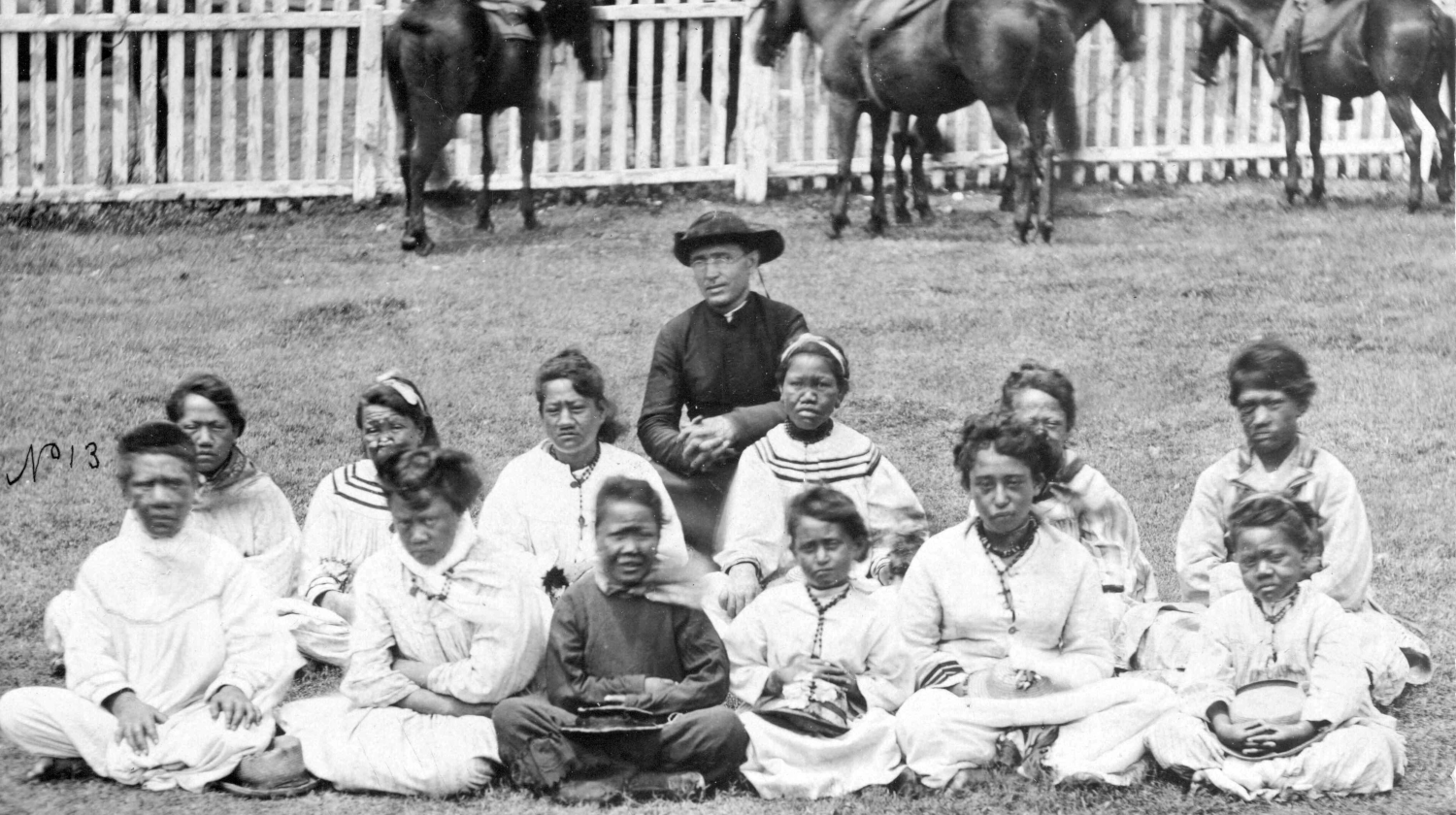
A Lesson From Saint Damien of Molokai, Leper Priest
Should the State’s flawed justice be mirrored in the Church? This must be asked and the truth written. But ask as well, “Can a leper priest also serve God?”
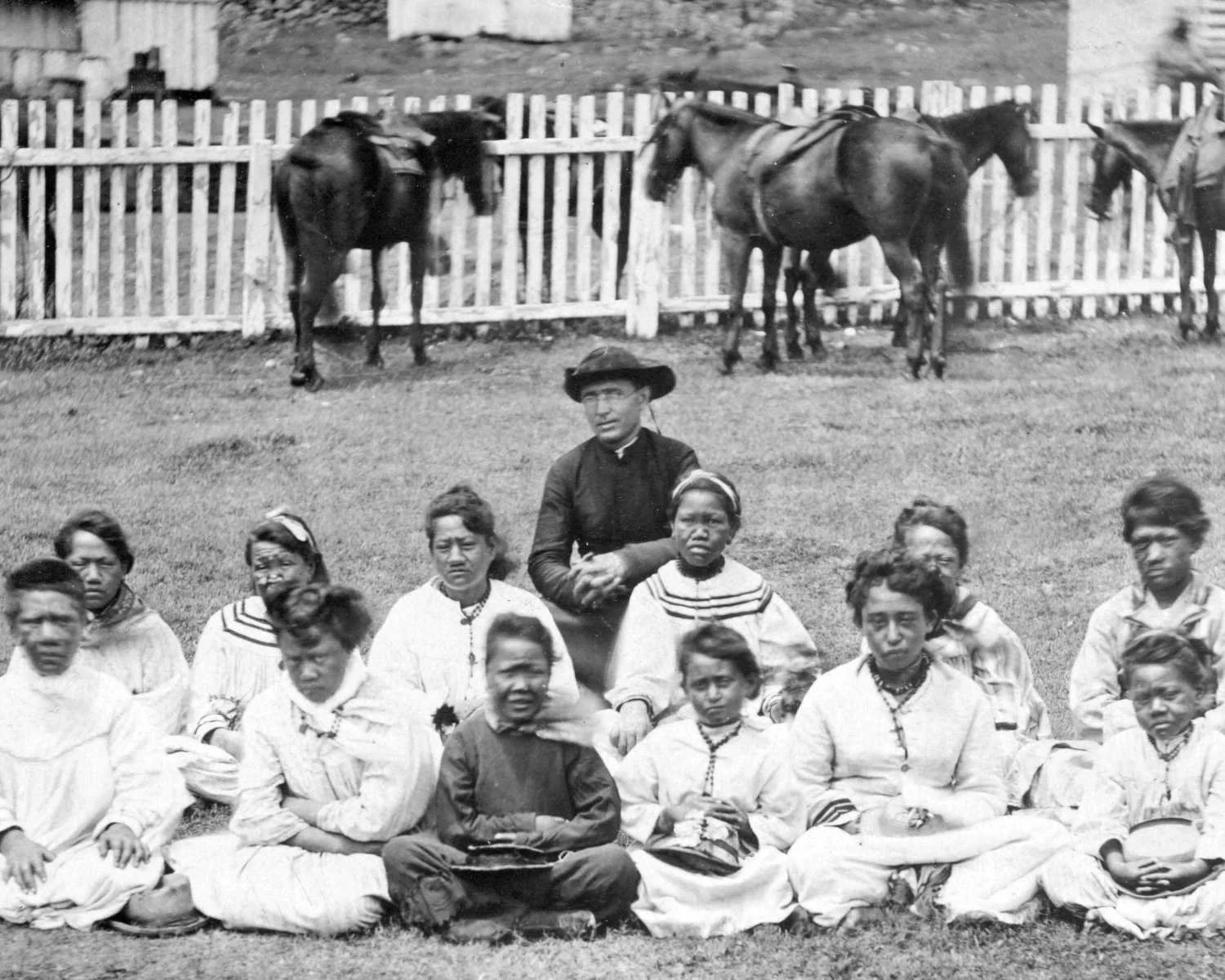
Should the State’s flawed justice be mirrored in the Church? This must be asked and the truth written. But ask as well, “Can a leper priest also serve God?”
May 10, 2026 by Father Gordon MacRae
This is a post I wrote on May 6, 2015, and everything in it is relative to that time frame. However, just about everything in it also impacts the current time frame. So I am posting it again.
+ + +
Pornchai Moontri and I and other friends are just beginning another retreat program in prison sponsored by the National Shrine of The Divine Mercy and the Marians of the Immaculate Conception. One of the texts used for the retreat is, You Did It to Me, one of many such books by Father Michael Gaitley, MIC.
Something happened over the last few weeks that cast yet another, but brighter light on recent events that have so overshadowed Beyond These Stone Walls. The text for the retreat is You Did It to Me by Father Michael Gaitley, MIC. The timing of it is by design, of course, but not by my design. I just nudged Pornchai Max and pointed out a photo of both of us in the middle of the book. “My, for prisoners, you guys get around,” wrote BTSW reader Mary Fran Cherry back then. She alerted me to our photo in the book. The retreat lifted a corner of the shroud that overshadowed my life behind these prison walls beginning on Wednesday of Holy Week.
Ryan A. MacDonald wrote of this in “For One Priest, A Fate Worse than Dying in Prison,” the second of his excellent two-part analysis of a recent court ruling that was a setback in my hope for justice and freedom. I have much gratitude for Ryan’s effort, and especially so because he left you with hope by telling you that I learned of this decision just as I was reading, You Did it to Me.
While reading that book, my eyes were opened a little, just enough to see what discouragement kept me from seeing. It reminded me so vividly of a story that took place on the road to Emmaus at another time of discouragement:
“That very day two of them were going to a village named Emmaus, about seven miles from Jerusalem, and talking with each other about all these things that had happened. While they were talking and discussing, Jesus himself drew near and went with them. But their eyes were kept from knowing him … Then one of them, named Cleopas, answered him, ‘Are you the only visitor to Jerusalem who does not know the things that have happened there in these days?”
— Luke 24:13-23
Someone might ask that same question of me if I lapse into writing about a Divine Mercy retreat without addressing “all these things that had happened” in the arena of justice and injustice. So I am also most grateful to New Jersey Attorney Vincent James Sanzone for his enlightened analysis of the legal precipice awaiting me and other falsely accused priests in both Church and State: “A Criminal Defense Expert Unfurls Father MacRae Case.” Prior to writing that guest post, Attorney Sanzone wrote a brilliant letter to Pope Francis about this matter, and to EWTN. I believe the EWTN letter may have been what prompted Brian Fraga and the National Catholic Register to publish “New Hampshire Priest Continues the Long Road to Clear His Name” (NCRegister.com, March 18, 2015).
Was I discouraged by the outcome revealed to me on Wednesday of Holy Week? Yes, I was. Was I devastated as some have suggested? I was, for a time. Have I given up? Not hardly. That is about all I have to offer about this. More important things have happened, and I have no time to descend into a litany of woe-is-me. Another day, perhaps. It is time now to step out of this arena of justice and all its flaws, and to step back onto that road to Emmaus.
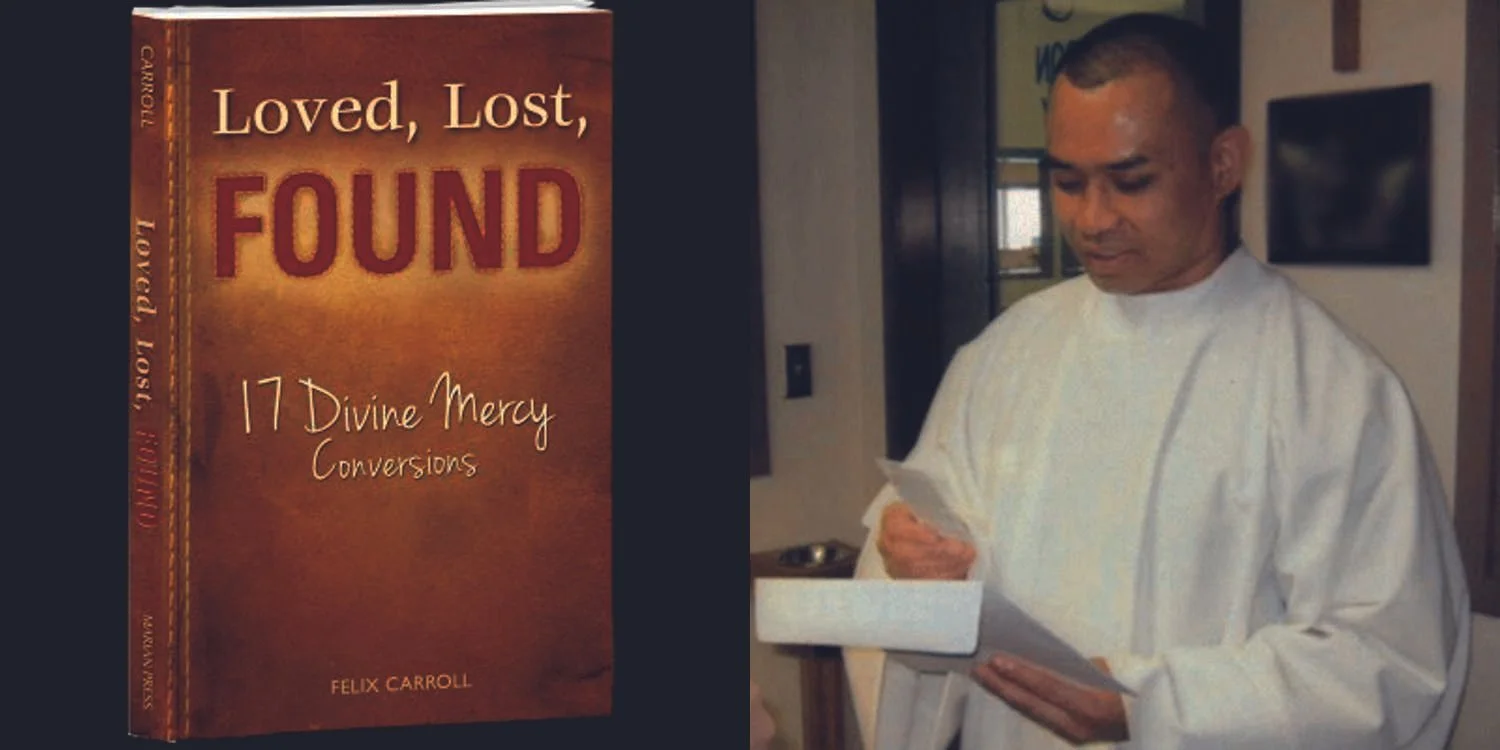
Voice from Beyond
As I wrote at the beginning of this post, something happened that cast a brighter light — brighter than my discouragement, at least — on the events of recent days. Let me first tell you what happened.
On the evening of Divine Mercy Sunday as this retreat began, Pornchai Maximilian sat in a chair to my right and Michael Ciresi to my left. Along with seventeen other prisoners who joined us, we watched and listened to a DVD presentation by Father Michael Gaitley to introduce the retreat. It was excellent, of course, and Pornchai was riveted to the projection of Father Gaitley on the prison chapel wall.
Every now and then the camera recording Father Gaitley swept over his audience, and there, seated near the back, I spotted a familiar face: Marian missionary Eric Mahl. You may recall that Pornchai and Eric Mahl both had chapters featuring them in Felix Carroll’s great Divine Mercy book, Loved, Lost, Found: 17 Divine Mercy Conversions. Later they met and became friends and brothers. I nudged Pornchai and pointed as Eric appeared on the wall. Just at that moment, Eric looked toward the camera and smiled. Pornchai smiled back.
The next day a letter arrived for Pornchai. As though right on cue, it was from Eric Mahl. It was a copy of a letter from Eric to some people who are helping Pornchai by organizing an effort to secure his future in Thailand when he is free from these stone walls. During his missionary outreach to prisons, Eric Mahl has had three meetings with Pornchai. On the last one, he was accompanied by Father Seraphim Michalenko who served as Vice-Postulator for the Cause of Canonization of Saint Maria Faustina. I wrote of that meeting in “Father Seraphim Michalenko on a Mission of Divine Mercy.” Eric also wrote of that meeting in his letter:
“This very holy priest had the opportunity to meet one-on-one with Pornchai in the Chapel, to talk to him and get to know him. When [Father Seraphim] and I were on our way home back to the Shrine in Massachusetts, he told me that the peace in that Chapel must be what Heaven is like and that Pornchai Moontri is a very holy and beautiful child of God. I write all of this to let you know how I desire to see this restored child of God out of prison and living free in Thailand where he could help the rest of society.”
— Letter of Eric Mahl
On April 19, the second Sunday evening of our retreat, we watched the second of Father Gaitley’s DVD presentations, and this time Pornchai listened intently while also looking for his friend Eric Mahl in the background. Later that evening, during a small group discussion led by Marian volunteer Jim Preisendorfer, I heard something astonishing. During Father Gaitley’s presentation, he spoke of the eight reasons why we do not appreciate the Trinity. One of them, Reason Number Seven, is “Because we listen to the voice of the enemy.” By way of example, I wrote in my notes:
“Part of Satan’s strategy is to keep us unfocused from our destiny. He lures us into being satisfied with this world so that so many of us just settle for what this life gives us, or despair over what this life denies us.”
When I read my own notes, I could not even remember writing that. It was as though my pen were on autopilot. Then table moderator Jim Preisendorfer asked for a comment on “Reason Number Seven.” No one spoke so I read my note above. Jim asked if I could give a concrete example. “I can,” Pornchai chimed in. He then spoke about a conversation he and I had seven years earlier. Hope seemed futile for him then. I had asked him back then if he had any hope at all for the future. I will never forget his answer, “I don’t have a future I only have a ‘Plan B.’ ”
Over time I came to understand what “Plan B” was, though, I had not heard Pornchai speak of it for a long time. At the table during our retreat that night, Pornchai explained that “Plan B” was his only plan, and it arose spontaneously within him. “Plan B” was to never leave prison. Having been cast into prison with a 45-year sentence at age 18, followed by years of solitary confinement in a dreaded “Supermax” prison, Pornchai had laid out in his mind the only future this life could promise him: to live out his life in prison. To die in prison. He had nothing else to look forward to.
On that night, however, Pornchai reflected what Eric Mahl described. He radiated the life of a restored child of God for whom that dismal “Plan B” was but a long forgotten memory. He spoke of it as a perfect example of how listening to the voice of the enemy can deny us our destiny. I sat there asking myself, “When did this happen. How did it happen?”
Then Pornchai jabbed a thumb in my direction at the table. “When this guy stepped into my life,” he said, “he released me from the grip of ‘Plan B.’ ” Pornchai described how he took a great risk to trust in some vague hope that was covered in a cloud and could not be seen, so he just took my word for it. “Now, seven years later,” he said that night, “ ‘Plan B’ is just an old memory with no power over me, and people all over the world have come together to replace it.”
While he spoke at that table, I looked down at my own thumbs as Pornchai jabbed his thumb in my direction. I could not look up. I knew that if I made eye contact with him at that moment, I would have fallen apart. My own plan for my life and my priesthood certainly never included life in prison for a crime that never took place. It never included being demonized and scapegoated to satisfy the demands of contingency lawyers and insurance companies as Ryan pointed out. It never included pleading for my Church to see the failures of American civil justice instead of just blindly declaring them final and fulfilled justice.
Ryan A. MacDonald charged in a comment a few weeks ago that the American hierarchy’s response to the priesthood crisis has been more like a housecleaning than a healing. My plan for my life never included a dread that my own bishop might echo in Rome the Twelfth Century plea of Henry II about Thomas Beckett “Will no one rid me of this turbulent priest?”
My plan for priesthood also never included Pornchai Moontri, nor could I have ever foreseen the notion that the tragedy that befell me could ever be anything other than a tragedy for someone else.
The Leper Priest
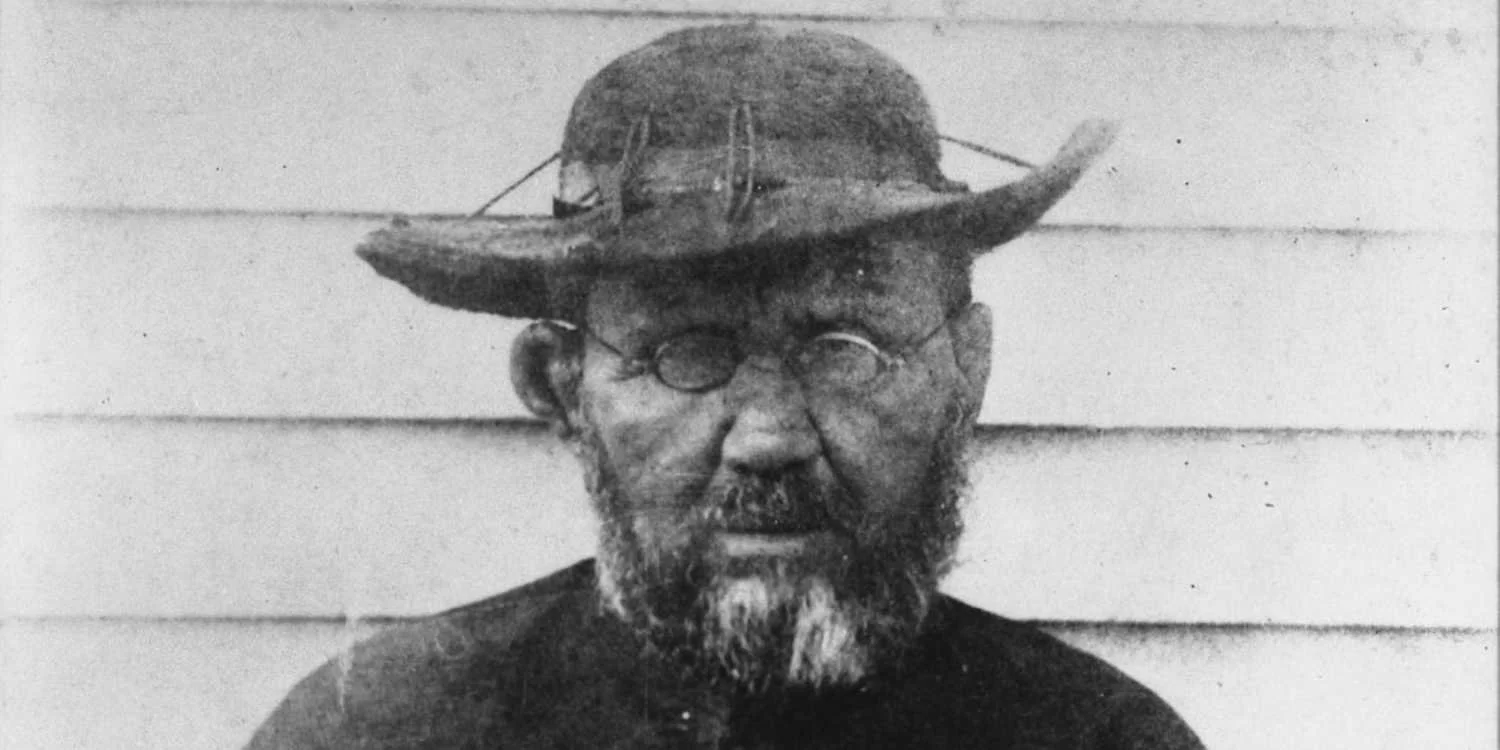
I vividly remember, as a young seminarian in the latter 1970s, watching a two-part PBS dramatization of the life of Father Damien de Veuster, the Belgian priest who in 2009 became Saint Damien of Molokai. I was fascinated by the PBS version. It remains in my psyche as one of the alluring things that drew me toward and kept me focused on a side of priesthood in danger of being lost today, the notion that priesthood is not a job, but an ontological state of being. To see priests “fired” and cast off seems like “Reason Number Seven,” like succumbing to the voice of the enemy as he lures priesthood from its destiny.
When Damien of Molokai was driven across that line between ministering to lepers and becoming a leper, it was seen as a tragedy to his friends, but hindsight sees it as a gift to the Church and the world. When he was canonized by Pope Benedict XVI in 2009, Emily Stimpson wrote of him in “Untamed Saint” in Our Sunday Visitor:
“Saints are made through trials and persecution. And Father Damien had more than his share of those. For most of the 16 years he served on Molokai, he served alone… He begged his superiors to send him help. Usually they ignored his requests. Twice, however, they did send someone. The first was a Dutch priest who complained incessantly. The second was a French priest who accused Father Damien of improper relations with the native women. His superiors and bishop grew tired of his constant demand for help. They considered him an obstinate, headstrong troublemaker. The government shared that opinion, and more than a few officials gave credence to false rumors circulated about him. His detractors heaped every sort of abuse and calumny upon Father Damien … Enduring his own dark night, he felt abandoned by God and unworthy of heaven.”
— Emily Stimpson, “Untamed Saint,” OSV, October 11, 2009
The Eucharistic Adoration Chapel established by Saint Maximilian Kolbe was inaugurated at the outbreak of World War II. It was restored as a Chapel of Adoration in September, 2018, the commemoration of the date that the war began. It is now part of the World Center of Prayer for Peace. The live internet feed of the Adoration Chapel at Niepokalanow — sponsored by EWTN — was established just a few weeks before we discovered it and began to include in at Beyond These Stone Walls. Click “Watch on YouTube” in the lower left corner to see how many people around the world are present there with you. The number appears below the symbol for EWTN.
Click or tap here to proceed to the Adoration Chapel.
The following is a translation from the Polish in the image above: “Eighth Star in the Crown of Mary Queen of Peace” “Chapel of Perpetual Adoration of the Blessed Sacrament at Niepokalanow. World Center of Prayer for Peace.” “On September 1, 2018, the World Center of Prayer for Peace in Niepokalanow was opened. It would be difficult to find a more expressive reference to the need for constant prayer for peace than the anniversary of the outbreak of World War II.”
For the Catholic theology behind this image, visit my post, “The Ark of the Covenant and the Mother of God.”

In 2022: Epiphany, Pro-Life Progress, Papal Paradox
If you are burdened by the affairs of Church and State in this age,take a knee and prepare for an epiphany. The Way of the Lord calls forth life and liberty.

If you are burdened by the affairs of Church and State in this age, take a knee and prepare for an epiphany. The Way of the Lord calls forth life and liberty.
January 5, 2022
Instead of yet another failed New Year resolution, I am planning on having another epiphany in 2022. I admit that I have had the same plan at the start of every New Year leading up to this one since about 1994, but my expectation that this will be “the” year of my epiphany is simply what we call “hope.” Despite the struggles all around us, there were little glimmers of that hope in recent years, but the politics of this age are oppressive and heavy. Like most of us who struggle today, my spirit is occupied with many heavy things.
The word, Epiphany comes from the Greek, “epiphaneia” meaning, “appearance” or “manifestation.” When used as a noun, it usually refers to a spiritual enlightenment, an understanding that comes about through a sudden intuitive realization. I once wrote of such an epiphany that was especially popular with Star Trek fans. You need not be one to appreciate it, and it might even surprise you. I wrote it as a Linkedin article entitled, “Gene Roddenberry and Captain Kirk’s Star Trek Epiphany.”
Used in the upper case, however, Epiphany refers to an event: the revelation to the Magi, led by a star to Bethlehem, that Jesus Christ is Savior. It is an event described in the Gospel According to Matthew (2:1-12). In the Eastern Church the event of Epiphany recalls instead the Baptism of Jesus and God’s revelation about Him (Matthew 3:13-17). Epiphany has been observed in the Roman Rite on the Sixth of January since A.D. 194. This year it has been dislodged by its proximity to the Sunday obligation. It marks the last of the Twelve Days of Christmas. I wrote of its history and meaning in “Upon a Midnight Not So Clear, Some Wise Men from the East Appear.”
The world we live in has changed dramatically since the dawn of the Twentieth Century. I was shocked to read recently that the average life span of a man in 1900 was between 35 and 40 years of age. In the decades to follow, despite two world wars and a number of plagues, the average life span has been slowly extending. I wonder if there is a corollary between our longer life span today and our tendency to drift away from God under the pressures of this culture.
In a recent post, I wrote of an event in my life that occurred in March of 1992. In that post, I called it my “Great Comeuppance.” In looking back over the three decades since, I realize that the event, though only a moment in time, had an enormous impact on my life and my priorities for living. The post was life-changing and important — important to me, anyway. I hope you will read it if you missed it. It was “To Christ the King through the Immaculate Heart of Mary.”
If and when you read that post, please read to the end. The 1992 event it describes connects to another chapter in my life decades later. It took me some time to put this together, but that event was an awakening of sorts and that is why I now refer to it as an epiphany. Over the ensuing years, I can see in hindsight how that event had a power that altered many things in my life, including my perception of my cross of unjust imprisonment which commenced just two years later. Those who read that post found the connection between its beginning and its end to be remarkable.

In Support of the Cause of Life
I had been a priest for ten years when the event described in that post took place in the back seat of a car. One of the most evident changes that came as a result was my activism in the Catholic pro-life cause. It was another epiphany, a Great Awakening that many are now seeing despite the narcissistic tendencies of our time.
During all of my seminary training, and in the first ten years of my priesthood, I had little regard for the pro-life cause. I was not antagonistic to it, but it never had a place on my inner radar. I remember blocking dedicated pro-life activists from placing their literature in my parish vestibule because I believed that it had nothing to do with what was happening in the liturgy of the Church. When I look back on that now, I cannot make sense of how I could not have seen the importance of their mission and message. It has everything to do with what is happening in the liturgy of the Church.
When the lights finally came on, I saw the truth stripped of all its politics and self-serving rhetoric about “reproductive rights.” I saw the folly of Roe v. Wade and it struck me like lightning. Our interference in the development of human life was captured in an eye-opening op-ed in The Wall Street Journal entitled “The Obsolete Science behind Roe v. Wade” by Dr. Grazie Pozo Christie, diagnostic radiologist and policy advisor for the Catholic Association.
Dr. Christie lent scientific justification to the conclusion of conscience which my epiphany had set in motion. She pointed out that the development of medical knowledge has reached a heightened awareness since Roe v. Wade was decided in 1973. Ultrasound technology was in its own infancy then.
“Today, three-dimensional ultrasound images have put a human face on the person once dehumanized as a mere clump of cells. Perfectly apparent now, to the justices sitting on today’s court as well as the public, are the liveliness and humanity of babies at 15 weeks of gestation. They have proportions of a newborn. The major organs are formed and functioning, and although the child receives nutrients and oxygen through the mother’s umbilical cord, the baby swallows and even breathes, filling the lungs with amniotic fluid and expelling it. The heart is fully formed, its four chambers working hard with the delicate valves opening and closing.”
— Dr. Grazie Pozo Christie, WSJ.com
No one can read Dr. Christie’s brief article and not also see the great spiritual decline that Roe v. Wade has set in motion in our culture. Several years ago, as a direct result of my own epiphany that opened my eyes to the truth, I wrote of how this decline has blinded us to the horror that Roe v. Wade produced.
That post, though only about five years old now, will seem a bit dated. It analyzed several television series that were most popular among young adults then. In each of these shows, the protection of life was a central theme while in reality abortion became disconnected from our personal and collective conscience.
In Support of Authentic Catholic Identity
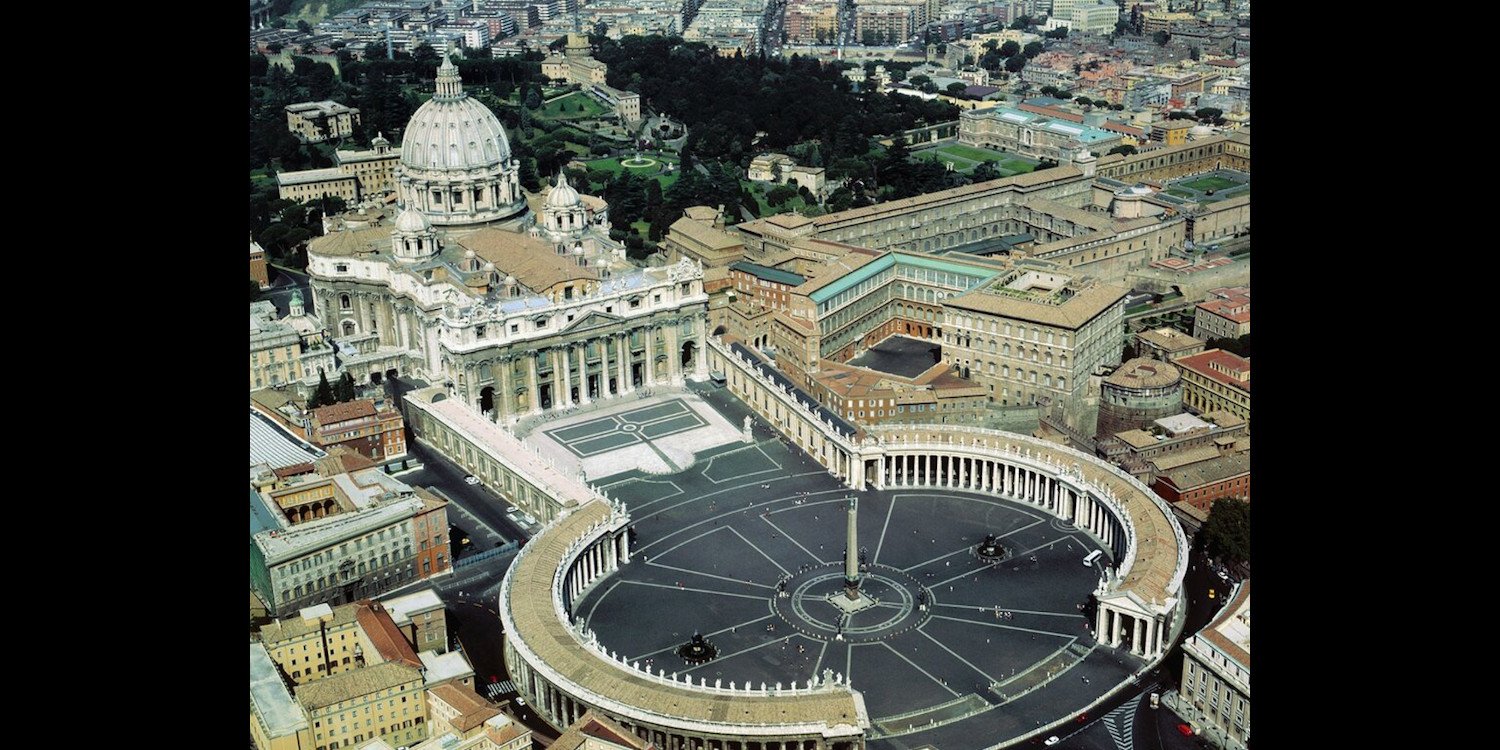
As a Catholic priest, even one in the most difficult of trials, I never saw myself as being in rebellion with Rome, and I am not so now. But I am perplexed. Not long ago, I wrote a post entitled, “The Once and Future Catholic Church.” Its intention was to bring hope to faithful Catholics who feel alienated by the trends of today that seem to suppress what were once authentic and deeply held expressions of faith for many. Fidelity to the tenets of our faith, and to the Chair of Peter, is central to both faith and priesthood.
I am not “more Catholic than the Pope,” and do not presume to question him on orthodoxy. But sometimes timing is most important. I cannot help but wonder what was behind Pope Francis using the backdrop of Christmas to further alienate traditional Catholics with new and more divisive restrictions on an expression of faith that many hold dear, the Sacrifice of the Mass in the language that served the Church for two millennia: Latin.
In 1947, after two years of rebuilding following World War II, the Catholic population of the world was between 340 and 380 million. Today it stands at nearly 1.2 billion, and certainly the suppression of the Latin Mass is a concern for only a small percentage. But the largest percentage — upwards of seventy percent — is not concerned with the Mass at all because they are not at all practicing their faith. So why suppress what for centuries was seen as a valid expression of that faith?
In 1947, Pope Pius XII published the 15,000 word encyclical, Mediator Dei, in which he warned against false mysticism, quietism, naturalism, and adherence to exaggerated notions about the liturgy. He opposed using the vernacular in the Mass in place of Latin. In a 1947 radio address, he warned Catholics against “uniformity that seeks to regiment all apostolic works into one kind.”
In January, 1975, well after the Second Vatican Council concluded, the Congregation for Divine Worship sent notice to the world’s bishops that the celebration of the Mass, whether in the vernacular or in Latin, must adhere to the rites set forth in the New Order of Mass authorized by Pope Paul in 1969. Clearly, the point of Rome’s contention was not the use of Latin, but rather the extraordinary form of the Mass.
Today in Germany, a progressive expression of Catholicism has taken hold to the point of being virtually unrecognizable as Catholic. There has been much ink spilled on the necessity and hope of avoiding a liberal-progressive Catholic schism in Europe. I have read that this looming threat weighs heavily upon Pope Francis. I am not a rebel, but I am still perplexed. Despite this looming threat of a progressive schism in Europe, it seems that all the efforts of Pope Francis at suppressing rebellion and promoting conformity are aimed at Traditional Catholics.

A Great Schism v. A Great Awakening
This leaves many priests who care in a state of conflict. We are in solidarity, not only with the authority of the Pope, but also with the thousands of devout Catholics who feel wounded and alienated by this inexplicable suppression. A few priests have privately corrected me saying that Pope Francis has the authority to determine rubrics for the sacrifice of the Mass. Of that, I have no doubt nor do I have a challenge.
This is not about authority, however. It is about the Church’s need for a Chief Shepherd with the heart of a shepherd. Cardinal Joseph Ratzinger, prior to his pontificate taught us that the Holy Spirit does not choose the Pope so much as guides the conclave that makes that choice. Pope Francis began his pontificate with a summons to seek out the alienated along the periphery of the Church, not to create more of them. Where did that go?
There have been other periods of Church history in far worse sin and error pining. What is known as the “Great Schism” in the Western Church began with the contested election of Pope Urban VI in 1378. The cardinal electors, dismayed by his erratic behavior, withdrew their obedience and declared Urban’s election invalid because it was made under the duress of rioting in Rome. They then elected a new pope, Clement VII. Urban retaliated by excommunicating Clement and his followers and by creating a college of cardinals of his own. Now there were two popes.
Then Clement moved to Avignon under the protection of the King of France. This elevated the schism to a frenzy of political alliance determined by the political preferences of the secular rulers concerned. It was impossible to distinguish between the Church in the modern world and the modern world in the Church. During the half-century the schism lasted, a number of solutions were proposed including the resignations of both popes, but both refused. In 1409, Cardinals from both sides held a convocation at Pisa only to elect yet a third pope in contention with the other two.
Finally, the Council of Constance (1414-18) resulted in the resignation or deposition of the three contending popes and the election of Pope Martin V — who reigned from 1417 to 1431 — receiving universal recognition. The scandal of the schism gave temporary impetus to a conciliar theory of church government based on consensus regarding the politics of the day. This intensified calls for reform that eventually led to the Protestant Reformation.
What does all this have to do with my hoped-for epiphany in 2022? It is pointless to allow the politics of our time to stand between us and the source and summit of faith — the true Presence of Christ in our midst. We have just passed through yet another Christmas season of alienation between opposing political factions, and it sometimes appears that governance in the Church embraces one faction over another.
When Christ returns will He find faith on Earth? The answer to that will have a lot more to do with our individual and collective epiphany than our politics.
+ + +
Announcements:
This post will be placed in our “Catholic Spiritual Life” and “Catholic Pro-Life” Categories in the BTSW Public Library. Please visit there for past titles of interest. We also invite you to visit our “Voices from Beyond” page for the latest addition.
You may be interested in reading and sharing some of the following titles linked in this week’s post:
Gene Roddenberry and Captain Kirk’s Star Trek Epiphany
Upon a Midnight Not So Clear, Some Wise Men from the East Appear