“There are few authentic prophetic voices among us, guiding truth-seekers along the right path. Among them is Fr. Gordon MacRae, a mighty voice in the prison tradition of John the Baptist, Maximilian Kolbe, Alfred Delp, SJ, and Dietrich Bonhoeffer.”
— Deacon David Jones
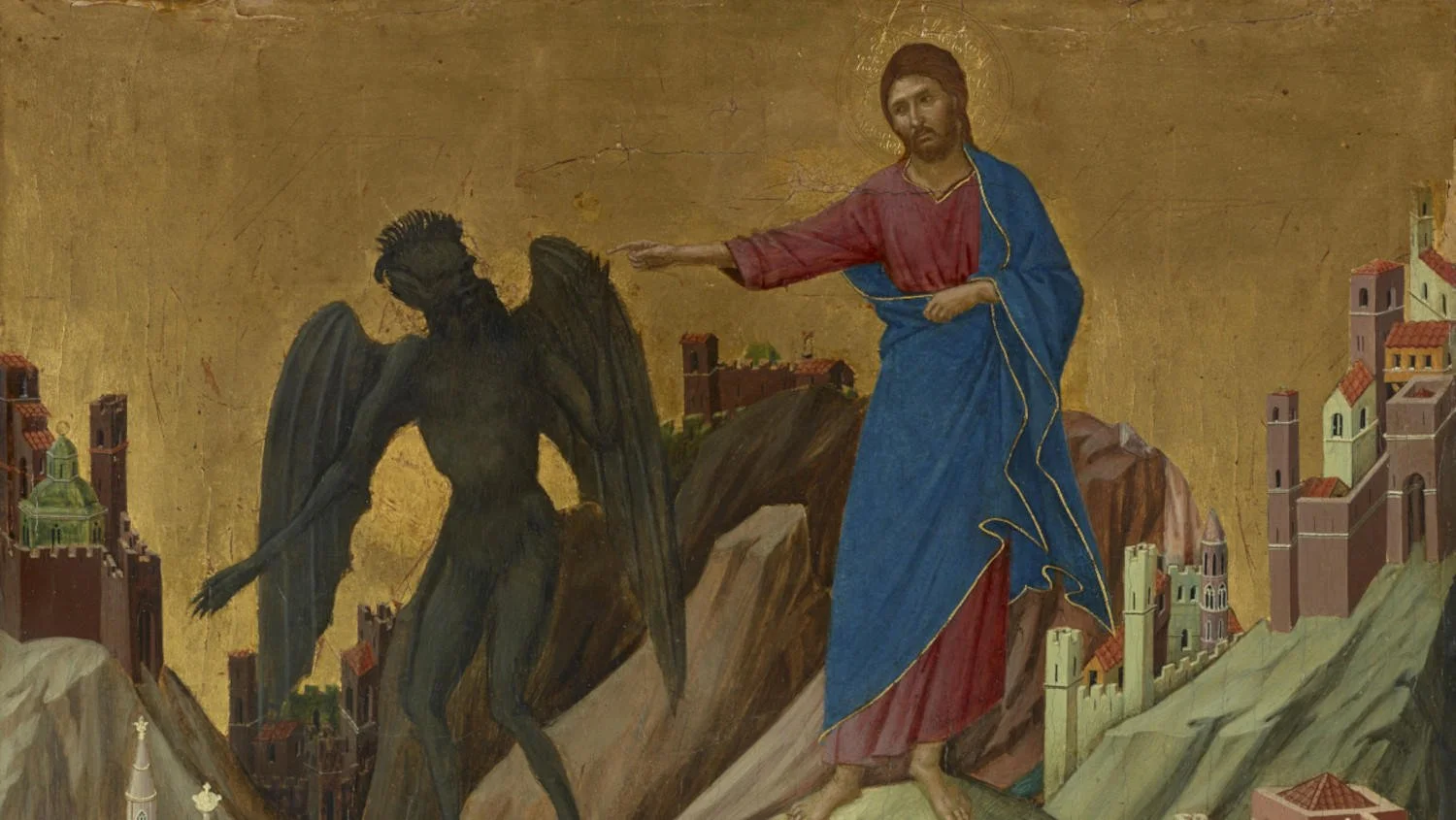
In the Desert Wilderness of Prison, a Priest Meets the Devil
After forty-four years of priesthood, thirty-two of them in the darkness of unjust imprisonment, my faith has been sorely tested, but I remain a priest in full.
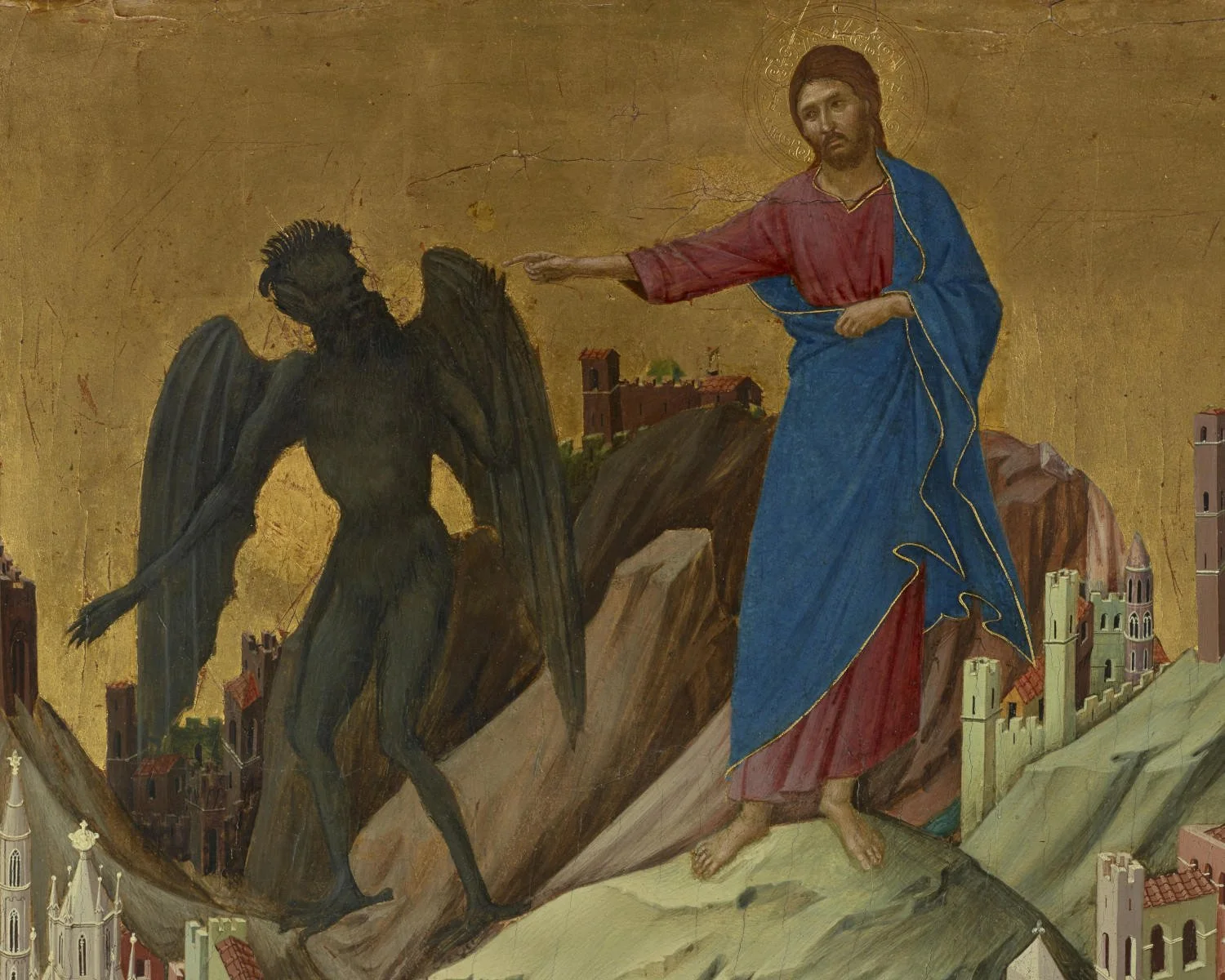
After forty-four years of priesthood, thirty-two of them in the darkness of unjust imprisonment, my faith has been sorely tested but I remain a priest in full.
June 10, 2026 by Father Gordon MacRae
Note from Father MacRae: My friend, Pornchai Moontri and I are indebted to Rebecca Virelles for her fine reflection on my life as a priest and prisoner published here last week. It caused me to reconsider this post about a demonic encounter first written in 2023. So much of the aftermath of that story has evolved, and new information has caused me to want to delve into it again. As Rebecca has described in last week’s post, Pornchai Maximilian and I have been on a road less traveled, and now we are far along that road. Your prayers, support and openness to the truth we tell have been the greatest Gospel witness for us.
+ + +
In 1945, at the end of World War II and eight years before I was born, the film, Going My Way swept the Academy Awards for Best Picture, Best Director, Best Screenplay, and Best Musical Score. The film about a Catholic priest and his efforts to save a dying urban parish was a huge box-office hit in 1945. Bing Crosby won the Best Actor Oscar for his role as Father Chuck O’Malley, a young priest with a golden voice sent to revitalize a quickly fading parish. Barry Fitzgerald won the Oscar for Best Supporting Actor in the role of the elderly pastor, Father Fitzgibbon. It was a different Church, a different time, and a very different world.
Bing Crosby’s character, Father Chuck O’Malley, saved the day and the parish when he organized a neighborhood gang of street kids into a “bit rough around the edges” choir. Father O’Malley then composed a hit song and taught them to sing it. “Swinging on a Star” topped the charts and won the Oscar for Best Song. The young men saved the church while Father O’Malley saved them. Going My Way also swept the Golden Globe and New York Film Critic Awards.
Now jump ahead 60 years. In 2005 another film about Catholic priests won the Academy Award for Best Picture and won The Boston Globe an ill-conceived Pulitzer for “Public Service.” That scornful film was Spotlight, a one-sided, jaded, cynical effort to smear the Catholic Church and priesthood with a broad brush as “slayers of the soul.” The critics and media were delighted, but one brave journalist, JoAnn Wypijewski, performed a much-needed autopsy on it. Though I never figured into the film, I had a strong presence in its autopsy in “Oscar Hangover Special: Why “Spotlight” Is a Terrible Film.”
The 60-year period in between Going My Way and Spotlight saw perhaps the greatest cultural shift the Western World had ever known. Our news media turned left, and the left became its master. Then the Second Vatican Council radically altered the world’s view of the Church. Then Roe v Wade happened and the not-yet-woke Church came down on the side of life. All the attacks hence were really about Roe v Wade. Then the “woke” were born.
On June 5, 1982, as this rapid descent in the world’s view of the Church and priesthood was well into its decline, I was the sole candidate for priesthood ordination in the Diocese of Manchester, New Hampshire. How I got to that point is a longer story that I have never been able to fully comprehend. In hindsight, it has elements of the demonic, and I will get back to that.
There is for now a “rest of the story” fully known only to one other person, and that person has since passed from this life. In 1977 and 1978, I spent long hours with this story in the company of Father Benedict Groeschel. Before he became a founder of the Friars of the Renewal (CFR), we were members of the same Capuchin Franciscan Province based in New York. Father Groeschel was aware of all that had happened, and he listened intently to its impact on me. In 1978, he and I together discerned a different path that I had to take. I will get back to that too, but first back up a few years.
Priesthood in the Coming Cancel Culture
At the age of twenty-one, four years after my high school graduation, I entered the novitiate of the Capuchin Order in 1974. I felt immediately that I was on the right path in life. I did not have much of a family life growing up, and the Capuchin emphasis on life in community drew me in. I also strongly believed that I had a vocation to religious life. One of my friends in the Order grew up in an orphanage, and, like him, I treasured the accountability and support of a religious community that many others took for granted.
I was also a very good student. I had carried a double major in psychology and philosophy on a scholarship at Saint Anselm College in New Hampshire. I thought I had a perfect balance of intellectual growth, spiritual life, and physical work. When I was not studying, I chopped firewood for long hours each day. A lot of stress was vented, and some wounds long neglected began to heal.
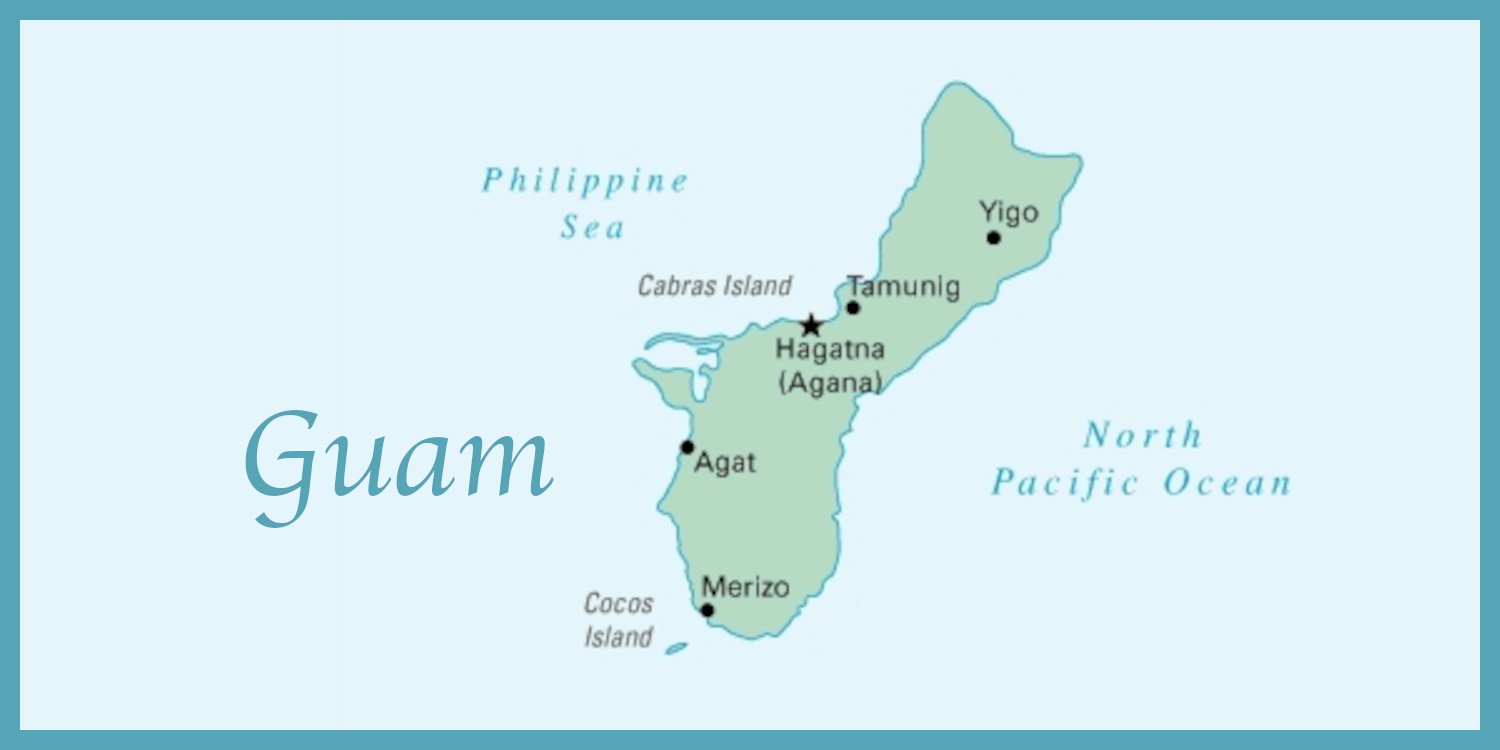
I loved my Capuchin community and I developed many close friendships among its members. Two of those friendships were with classmates from the Western Pacific Island of Guam. We were the same age and often studied together. I learned a great deal about the home and culture they left behind on the far side of the world. At that time, Guam was a mission territory for the Order and several members of our Capuchin province were assigned there. I began to discern that Guam might be where my future lay, so I began to study its culture and native language, Chamorro.
Then tragedy struck. It blindsighted me and forever altered my path. Being far from home for long periods of time had an effect on my friends. One of them began to exhibit signs of extreme stress manifested in paranoia. One night he knocked on my friary door awakening me at 3:00 AM. He was very upset and shaken, and he asked me to come to his room. I went with him and found there a kitchen knife impaled in his mattress with a typed note threatening his life.
My friend was very shaken by this, and I remained with him until dawn and then took him and the evidence to the room of our religious superior. My friend was questioned at length while I remained outside the room. Similar incidents occurred on two more occasions over the next few weeks. I told the local superior of my growing concern that my friend was under extreme stress, and I believed that he had been doing this to himself and needed immediate help.
On the next day, I was again summoned to the office of the superior. I was summoned alone. Accompanied by two other senior members of the Order, he accused me of plotting to murder my friend. I could not fathom what was behind this, but I insisted that my friend was under extreme stress and had been doing this to himself. I insisted that he needed immediate help. Then the superior revealed that he had in his hands the ribbon from my typewriter where the threatening notes had clearly been typed — but not by me.
Under obedience, for the next two weeks I was confined to my quarters and forbidden from speaking with anyone else. I was going through final exams for the semester in that same week. I excelled in them, but to this day I do not know how. This all happened in the spring of 1977.
At the end of those two weeks, the local superior summoned me again. One priest on the formation staff had been skeptical of the story and its outcome, so he spent a few nights in the friary library from where he could observe my friend’s room from a distance. On one of those nights he saw him come out of his room, return with a knife, and then plunge it with another note into his own mattress. My friend was then taken away.
The superior who later summoned me again told me only that his investigation was complete, and that he concluded that I had nothing to do with these events except that I was a friend of the other Capuchin. “You should just forget about all this and keep doing what you’ve been doing,” he said. And it was over.
Still in the Eye of the Storm
But it wasn’t really over. Because I was barred from discussing these incidents, no one else in the Province was told the truth of this story or its outcome. All anyone knew was that my friend disappeared in the night, and I had been a suspect. I was also very concerned for my friend. I had not been able to learn any of what had happened to him, or why it happened, or where he went. To protect him from any further exposure, I told only one person, about this story and what I knew to date. That person was Father Benedict Groeschel, a psychologist and respected member of the Province. Among all the feelings of betrayal, injustice, and anger at the rush to judgment, I was first and foremost heartbroken.
When I learned that my friend had typed these notes on my typewriter while I was away and then carried out these assaults upon himself just as I had feared, I was furious — not with him but with those in authority in the Order who would not listen because their minds were already made up. I never saw or heard from my friend again, and I never learned what was behind his pleading cry for help made through me. I also never learned what became of him.
I was 24 years old then. I am nearly 74 now, and I still carry this after all these years. I also had no idea then that such devastating false witness would be repeated in my life 15 years later as a diocesan priest.
In 1978, one year after the events described above, the Province gave a strong recommendation, under the direction of Father Groeschel, in support of my decision to transfer to studies toward diocesan priesthood. In the ensuing years, I completed a Master of Divinity degree and Pontifical degree in Sacred Theology at Saint Mary’s Seminary and University in Baltimore. As written above, I was ordained for the Diocese of Manchester on June 5, 1982. There was one other candidate for ordination that year, but he dropped out just weeks before being ordained.
The story about my friend from Guam stayed buried for the next 42 years. Then, in 2019, a previously unknown factor in the story was revealed to me. A Capuchin priest from my former Province came to this prison for Mass and asked to speak with me after. He told me that he remembered this incident and hoped that I did not. I told him that my life was radically altered as a result of it. He said that he felt partially responsible. He had been pursuing a sabbatical study in Sacred Scripture at Harvard Divinity School in 1977, the same year as the events above. My uncle, a Jesuit priest and renowned Scripture scholar was a faculty member at Harvard at that time, and they had a chance meeting.
I mentioned earlier that there were hints of the demonic in this story. It was in the form of events that were set up like dominoes intended to fall in just the right way and at just the right time to steer this story.
My uncle approached the Capuchin priest at Harvard and asked him if he and I were in the same province. The Capuchin said that we were, and my uncle inquired about how I was. The events written above had all taken place in just the two previous weeks in 1977, but my uncle knew nothing of what had transpired in those weeks. The Capuchin told my uncle about these events, but this was before the discovery that I was not the cause of them. Upon hearing this partial story, my uncle shared with the Capuchin that I had a difficult life growing up in a home and family destroyed by alcoholism. My uncle expressed to the Capuchin that he was glad to know that I had the support of a religious community.
Forty-two years later, the Capuchin priest told me that he shared my uncle remarks with the leaders of my Province in 1977. It was what my uncle innocently divulged that caused the Capuchin superior and Provincial staff to jump to a conclusion that I must have been the deranged person responsible for the threatened acts of violence against my friend from Guam.
Gauging my reaction upon learning of this 42 years later told me how much the wounds left by these incidents still festered. Everyone in this account — the Capuchin priest, my Jesuit uncle, even my accusing religious superiors — all believed they had acted in what they thought was my best interest balanced with that of my friend. The betrayal did not belong to any one person, but I was the only one in this scene who knew of its insanity and acted to save my friend. Forty-two years later, my feelings of anger and betrayal smoldered anew.
Haunting Echoes from the Past
In 1994, as you know, I was falsely accused again and faced trial with no evidence or corroboration beyond the jaded suspicions of a police officer now known to have been corrupt. Journalist Ryan A. MacDonald wrote of this account in “Police Misconduct: A Crusader Cop Destroys a Catholic Priest.” The demonic dominoes continued to fall.
After being so accused again, echoes of how helpless and oppressed I was during the first such encounter decades earlier were still with me. I became, perhaps understandably, despondent, and again I could reach out to no one. At the time, it was more than I could bear, and I fell. You can read about this in a post that has been in plain sight since I wrote it in 2017. It is, “How Father Benedict Groeschel Entered My Darkest Night.” I could have added the words, “… for the Second Time.”
In September, 2022, I wrote an article in these pages that shocked readers around the world. It might have shocked them a lot more had they known of the crucible of memories I had to face and set aside in order to write it when no one else could. It is a centerpiece of my priesthood. Had I not gone through everything described in this post, I would not have been wounded enough, wise enough, or strong enough to become for another the saving grace that Father Groeschel had become for me.
It was a story long overdue, but justice required it. I meticulously researched it and then wrote it. It is about events in the life of my friend, Pornchai Moontri, and it has eerie echoes of the past. The article is “Getting Away with Murder on the Island of Guam.”
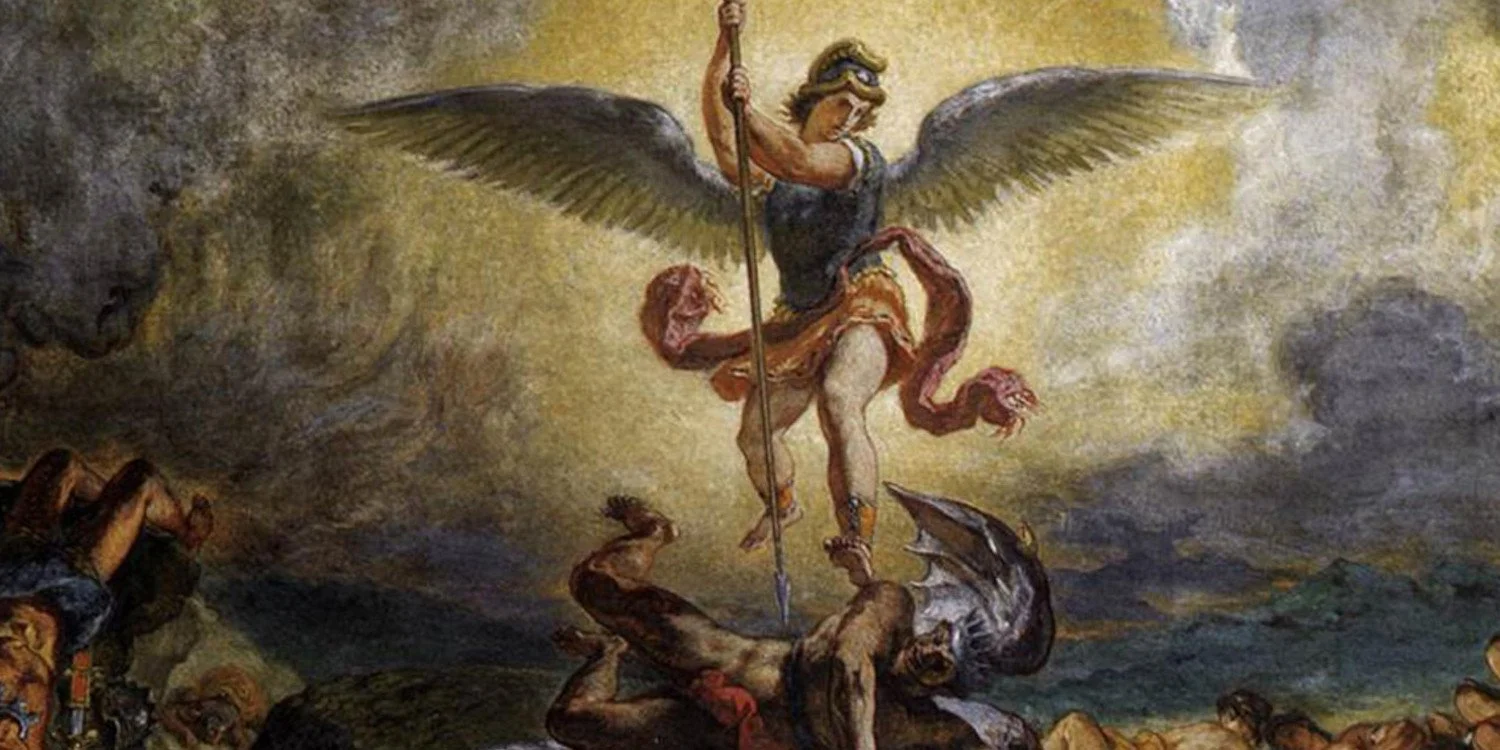
I mentioned earlier that this story has elements of the demonic. I wrote of the devil’s ominous stage presence here, a presence that tips over the dominoes to great effect at just the right time and in just the right way. The post I wrote about this is “Saint Michael the Archangel Contends with Satan Still.” We will link to it again, and to other posts described here, at the end of this post. For now, Pornchai Moontri and I have both followed the advice of Saint Peter:
“Cast all your cares on the Lord for he cares for you. Stay sober and alert for your opponent the devil is prowling like a roaring lion seeking someone to devour. Resist him, steadfast in your faith, knowing that the same experience of suffering is required of your brethren throughout the world.”
— 1 Peter 5:7-9
On June 5, 2026, I marked 44 years of priesthood out here in the Oort Cloud, that distant region of space where, among our Solar System’s detritus, I encounter others cast out among the unwanted debris. Most of those I encounter here have suffered far greater wounds than my own.
Bing Crosby notwithstanding, priesthood has never been going my way. But I have done what is recommended in another post I wrote, “The Holy Spirit and the Book of Ruth at Pentecost.” I have mourned what was lost. I have let it ascend. And I surrender to the life, and priesthood, that I am called to live now. As I mark 44 years of priesthood in pursuit of the True Presence, in spite of all, the Lord has done great things for me, and perhaps even a few great things through me.
Note from Father Gordon MacRae: Thank you for reading and sharing this painful post, and these related posts:
Saint Michael the Archangel Contends with Satan Still
How Father Benedict Groeschel Entered My Darkest Night
Police Misconduct: A Crusader Cop Destroys a Catholic Priest
And for those Blessed among us who thirst for justice …

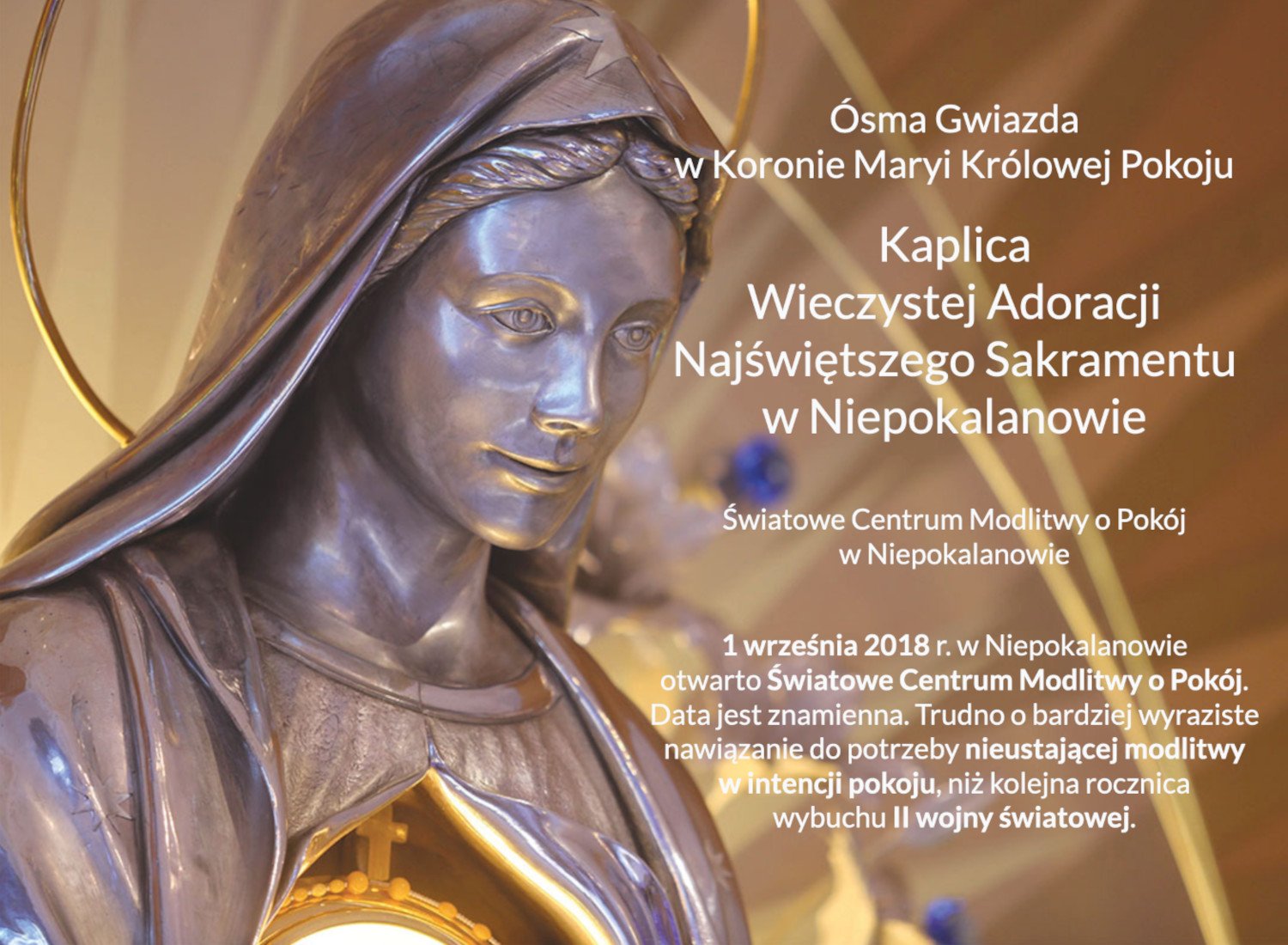

The Eucharistic Adoration Chapel established by Saint Maximilian Kolbe was inaugurated at the outbreak of World War II. It was restored as a Chapel of Adoration in September, 2018, the commemoration of the date that the war began. It is now part of the World Center of Prayer for Peace. The live internet feed of the Adoration Chapel at Niepokalanow — sponsored by EWTN — was established just a few weeks before we discovered it and began to include in at Beyond These Stone Walls. Click “Watch on YouTube” in the lower left corner to see how many people around the world are present there with you. The number appears below the symbol for EWTN.
Click or tap here to proceed to the Adoration Chapel.
The following is a translation from the Polish in the image above: “Eighth Star in the Crown of Mary Queen of Peace” “Chapel of Perpetual Adoration of the Blessed Sacrament at Niepokalanow. World Center of Prayer for Peace.” “On September 1, 2018, the World Center of Prayer for Peace in Niepokalanow was opened. It would be difficult to find a more expressive reference to the need for constant prayer for peace than the anniversary of the outbreak of World War II.”
For the Catholic theology behind this image, visit my post, “The Ark of the Covenant and the Mother of God.”