“There are few authentic prophetic voices among us, guiding truth-seekers along the right path. Among them is Fr. Gordon MacRae, a mighty voice in the prison tradition of John the Baptist, Maximilian Kolbe, Alfred Delp, SJ, and Dietrich Bonhoeffer.”
— Deacon David Jones
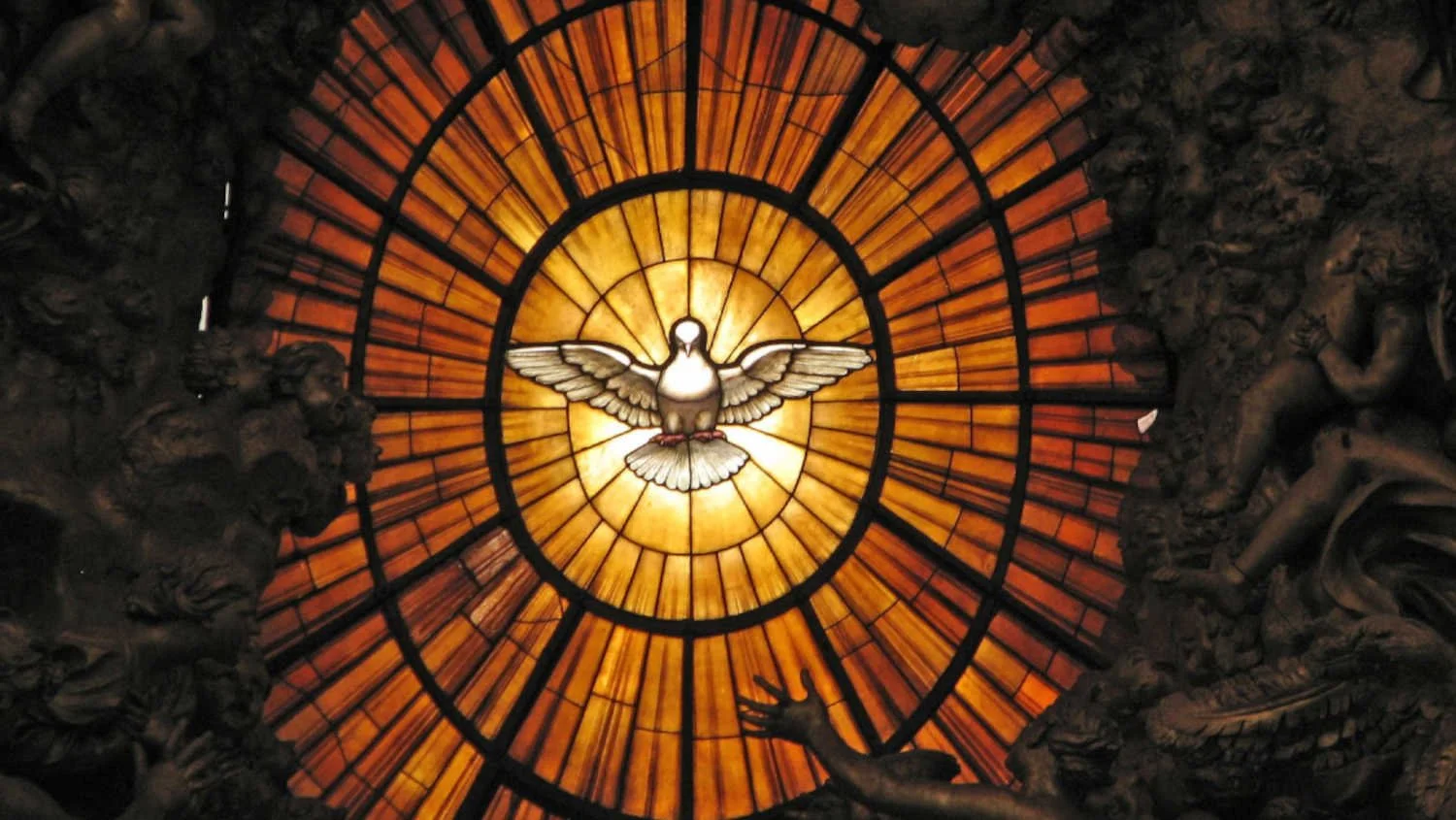
Inherit the Wind: Pentecost and the Breath of God
From Creation onward, Scripture often depicts the Holy Spirit as the wind or breath of God. When it swept through Jerusalem at Pentecost, all divisions ceased.
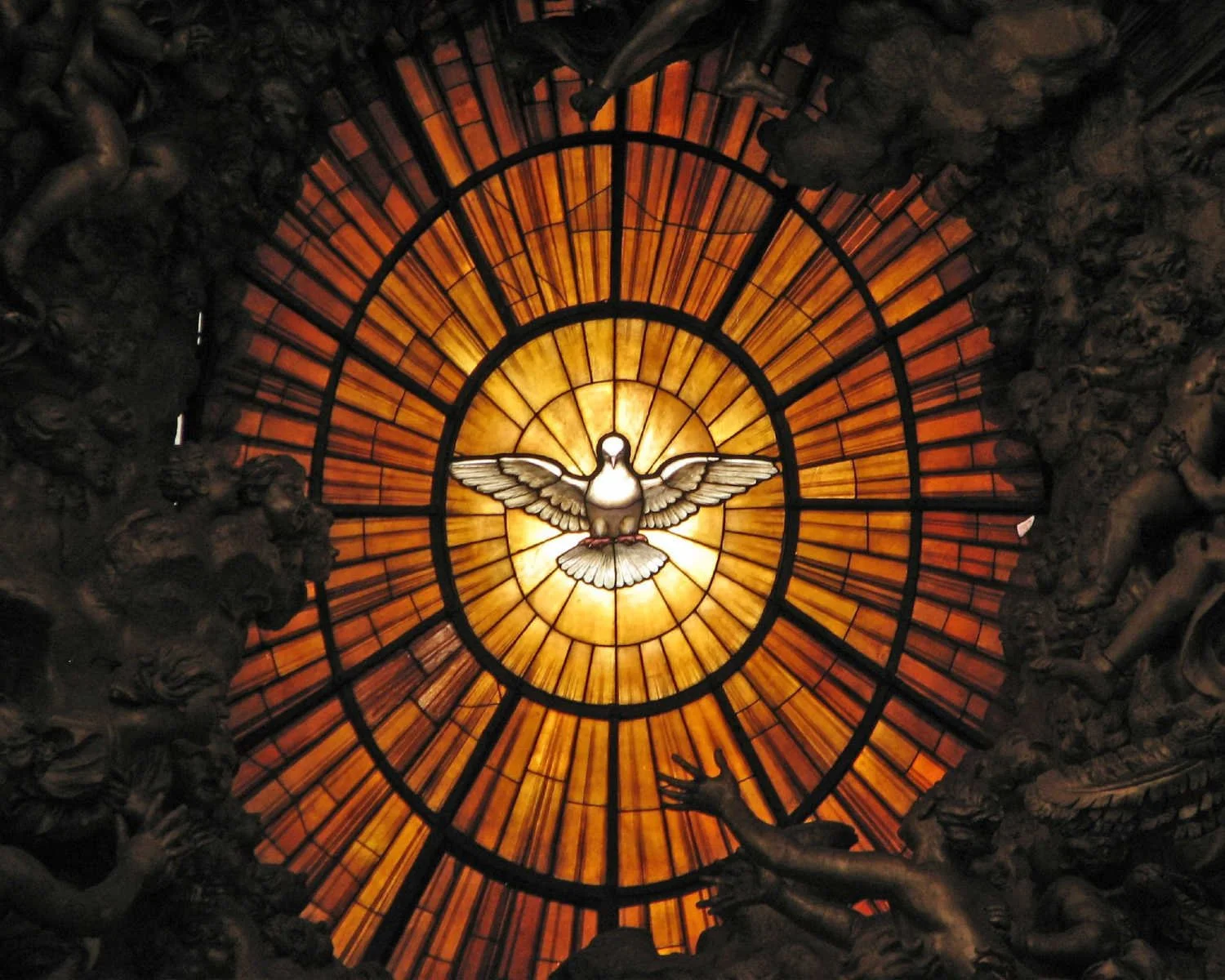
From Creation onward, Scripture often depicts the Holy Spirit as the wind or breath of God. When it swept through Jerusalem at Pentecost, all divisions ceased.
May 20, 2026 by Father Gordon MacRae
For a hot summer post years ago, I wrote “Hot Town: Summer in the Slammer.” My title was a spoof of “Summer in the City,” the famous 1969 hit single by “The Lovin’ Spoonful.” I was sixteen years old when that song hit the charts, but my post about it decades later was sparked by more current heat in my life: the long, hot summer days in prison.
The sealed and barred window in my prison cell then faced due west, so on the hottest summer days there was a build-up of heat in a sort of greenhouse effect within these stone walls, and it could feel very oppresive at times. The windows let in heat, but no air. There are no curtains or shades in prison, and covering cell windows is forbidden. By late in a typical summer day, that cell could feel like a crucible from which there is no escape. There is no air conditioning in prison, but I bought a little nine-inch fan, which was great at circulating the heat.
Underneath each cell window was a small security grate, a five-inch high double-grated steel slot venting through the stone wall to the outside world. By summer each year, the grates are so clogged with dust that not even a hint of moving air passed through them. Prisoners were always trying to devise new ways to clean the small vent.
On one of the hottest days that summer, I watched with great hope out my cell window as towering thunderclouds built in the west late in a stifling afternoon. They grew denser and darker, and then the rarest of things happened. A blast of cool wind flowed out of the west, through the security grate, and filled this cell with cool air. Then came thunder and a torrential rain that released all the day’s heat built up in these stone walls. Blast after blast, the cool wind kept coming. It felt like the very Breath of God.
This post is about the wind, but first I owe thanks to playwrights Jerome Lawrence and Robert E. Lee for my use of the title of their great 1955 American play, “Inherit the Wind.” The play was based on the so-called “Scopes Monkey Trial” of 1925 in which the famous defense lawyer, Clarence Darrow defended John Scopes in a Tennessee court. A high school biology teacher, John Scopes, was charged with violating state law by teaching Darwin’s theory of evolution in science class. In 1925 Tennessee, this violated a state-sanctioned fundamentalist view of the biblical account of Creation. I wrote about our culture’s conflict between science and religion in “Did Stephen Hawking Sacrifice God on the Altar of Science?” Religion is not a topic for scientific inquiry, and science should not be refuted in the name of religion. Those are human conflicts, not God’s.
Most people do not know that “Inherit the Wind,” — both the play and the classic 1960 Spencer Tracy film — first borrowed the title from the Book of Proverbs: “He who troubles his household will inherit the wind, and the fool will be a servant to the wise.” (Proverbs 11:29). It is just possible that the Book of Proverbs itself borrowed the phrase from an even more ancient source: the followers of Pazuzu, the Assyrian god of wind and pestilence. In some ancient Mesopotamian religions, “an ill wind” carried the spirits of demons, and so to inherit the wind could mean generations of suffering for one person’s sin.
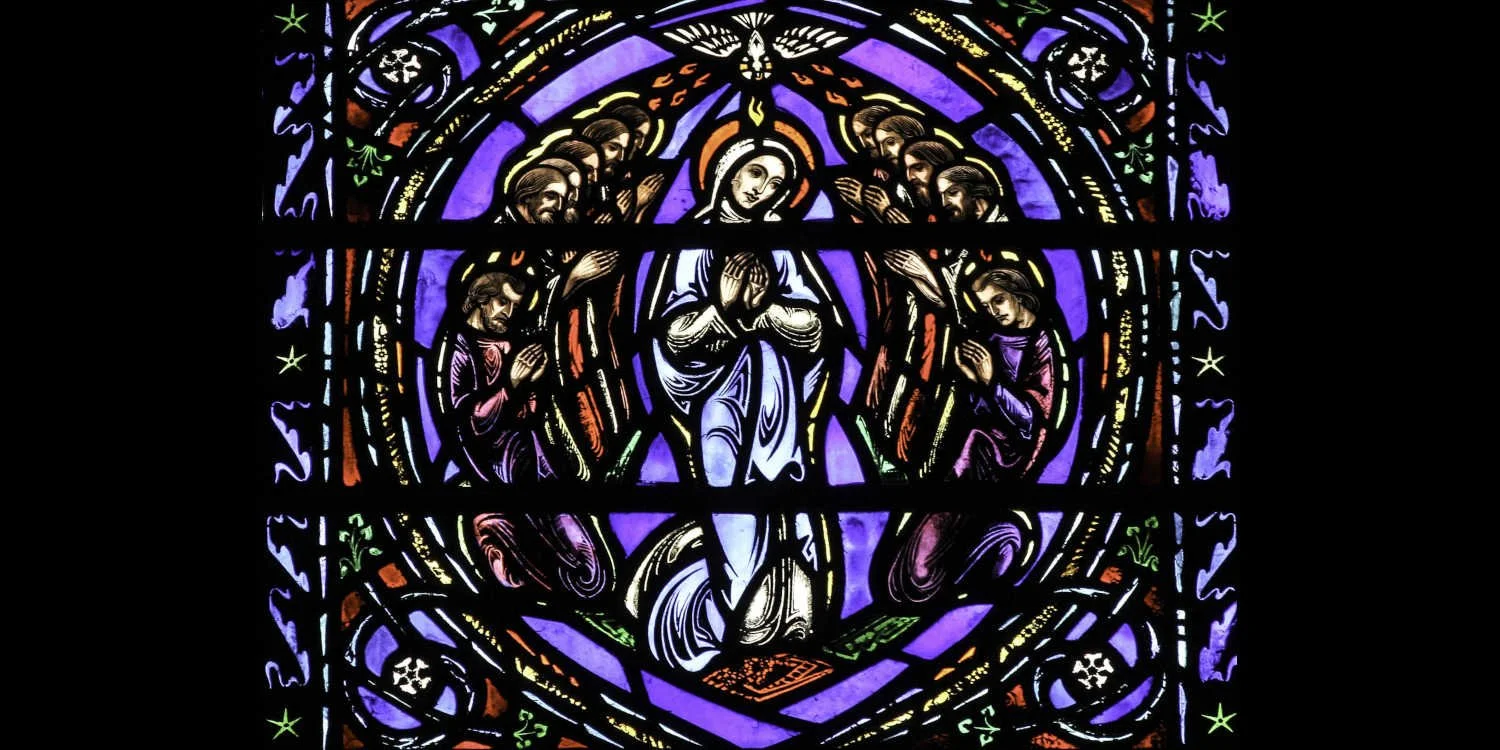
On the Day of Pentecost
I borrowed the title, Inherit the Wind, with a very different connotation. There are 181 references to wind in the Judeo-Christian Scriptures, and many of them are equated with a sacred wind or with the Breath of God. The Hebrew word for both “breath” and “wind” is “ruah,” and the Hebrew name for the Holy Spirit is “ruah ha-Qodesh,” simultaneously meaning the Spirit of God, the Wind of God, and the Breath of God.
The image of the Spirit of God rendered as a mightly wind is ancient. The very first time I picked up a Bible as a child, I was enthralled by a single image that begins the story of our existence in a created Universe with God. It was told in a few simple sentences that taught nothing about the science of cosmology except the most basic fact that I described in a science post, “A Day Without Yesterday.” It had to do with the fact of Creation, not the mechanics of it, and as a child it filled me with wonder:
“In the beginning, God created the heavens and the earth. The earth was without form and void, and darkness was upon the face of the deep; and the Spirit of God was moving over the face of the waters.”
— Genesis 1:1-2 RSV
Some biblical translations render that phrase, “a mighty wind from God was moving over the surface of the waters.” The image this raises is striking. If you have ever seen a film depicting raging winds at sea, the result is chaos.
The New Revised Standard Version of the Bible (NRSV Catholic Edition) translated this more literally: “A Wind of God swept over the face of the waters.” The only thing in existence in the Universe that God did not create is darkness. Darkness is the one reality that was already there at the moment of Creation. The darkness is not a description of something evil, but rather of something absent. The Wind of God moved above its unfathomable depth, and then, with a spoken word, “Let there be light,” there was light, and light overcame the darkness.
The Breath of God has stirred throughout human history ever since, and each time it does, we change dramatically. In the moment man became man, God “breathed into his nostrils the breath of life, and man became a living soul” (Genesis 2:7) in the image and likeness of God. That same image is reflected in the account of the Resurrection appearances of Jesus in the Gospel of John before Pentecost:
“He breathed on them and said, ‘Receive the Holy Spirit.’ ”
— John 20:22
I will forever think of that blast of cool wind through my cell as I read the story of Pentecost in the Acts of the Apostles:
“When the day of Pentecost had come, they were all together in one place. And suddenly a sound came from heaven like the rush of a mighty wind, and it filled the house where they were sitting. There appeared to them tongues as of fire, distributed and resting on each of them, and they were filled with the Holy Spirit.”
— Acts 2:2-4
Saint Luke was a great writer. In three matter-of-fact sentences, with no flourish whatsoever, he conveyed a meeting between God and humankind that would be told for thousands of years. Understanding its setting explains a lot about its meaning, and what happened next.
Some people mistakenly assume that the “Day of Pentecost” referred to is the coming of the Holy Spirit that Saint Luke goes on to describe, but it does not. The “Day of Pentecost” was the reason the Apostles were in Jerusalem in the first place, and “all together in one place,” and it is the reason why “devout men from every nation under heaven” (Acts 2:5) were there. They had all come because Shavuot required a pilgrimage to Jerusalem.
Shavuot is the second of three “pilgrimage festivals” in Jewish tradition. The other two are Passover itself, and “Sukkot,” the Feast of Booths (or “Tents”), which was the Jewish autumn festival marking the harvest of wheat. The Sukkot pilgrimage to Jerusalem was set down in the Book of Leviticus (23:42) and recalls the forty years of wandering and encampment in the desert after the Exodus (hence the “booths” or tents). Sukkot was the setting for the Gospel account of the Transfiguration of Jesus (eg., Mark 9:2-13). Each of the three pilgrimage festivals — as described in the Book of Deuteronomy (16:16) — required adult men of Israel to travel to Jerusalem to mark the feast.
The Shavuot festival, known in Greek as Pentecost (meaning “fifty days”), is also called the “Festival of Weeks” because it is celebrated on the day after the passage of seven full weeks from Passover. Shavuot originally marked the end of the barley season and the beginning of the wheat season. The pilgrimage required that the first fruits of wheat be brought to Jerusalem as an offering, as described in the Book of Leviticus (23:15-17). The feast fell on the Sixth day of the Hebrew month, Sivan. In Rabbinic legend, that was also the date marking the giving of the Torah to Moses on Mount Sinai described in Exodus 8, and that became the main reason for the pilgrimage feast. At Shavuot, specially baked twin loaves made from newly cut wheat were presented in the Jerusalem Temple with great ceremony to commemorate the Tablets of the Law given to Moses on Mount Sinai. In our Gregorian calendar, the Sixth day of Sivan falls on our Feast of Pentecost.
This is the setting for Pentecost in the Book of Acts, Chapter Two. As that driving wind filled the room where the Apostles were gathered, “men of every race and tongue, of every people and nation” emptied into the street at the strange and powerful noise. The mighty wind and tongues of fire described by Saint Luke were reminiscent of the loud wind and fiery descent of the Spirit of God on Mount Sinai at the time of the Exodus:
“On the morning of the third day there were thunders and lightning and a thick cloud upon the mountain, and a very loud trumpet blast, so that all the people who were in the camp trembled. Then Moses brought the people out of the camp to meet God, and they took their stand at the foot of the mountain. And Mount Sinai was wrapped in smoke, because the Lord descended upon it in a fire.”
— Exodus 19:16-19
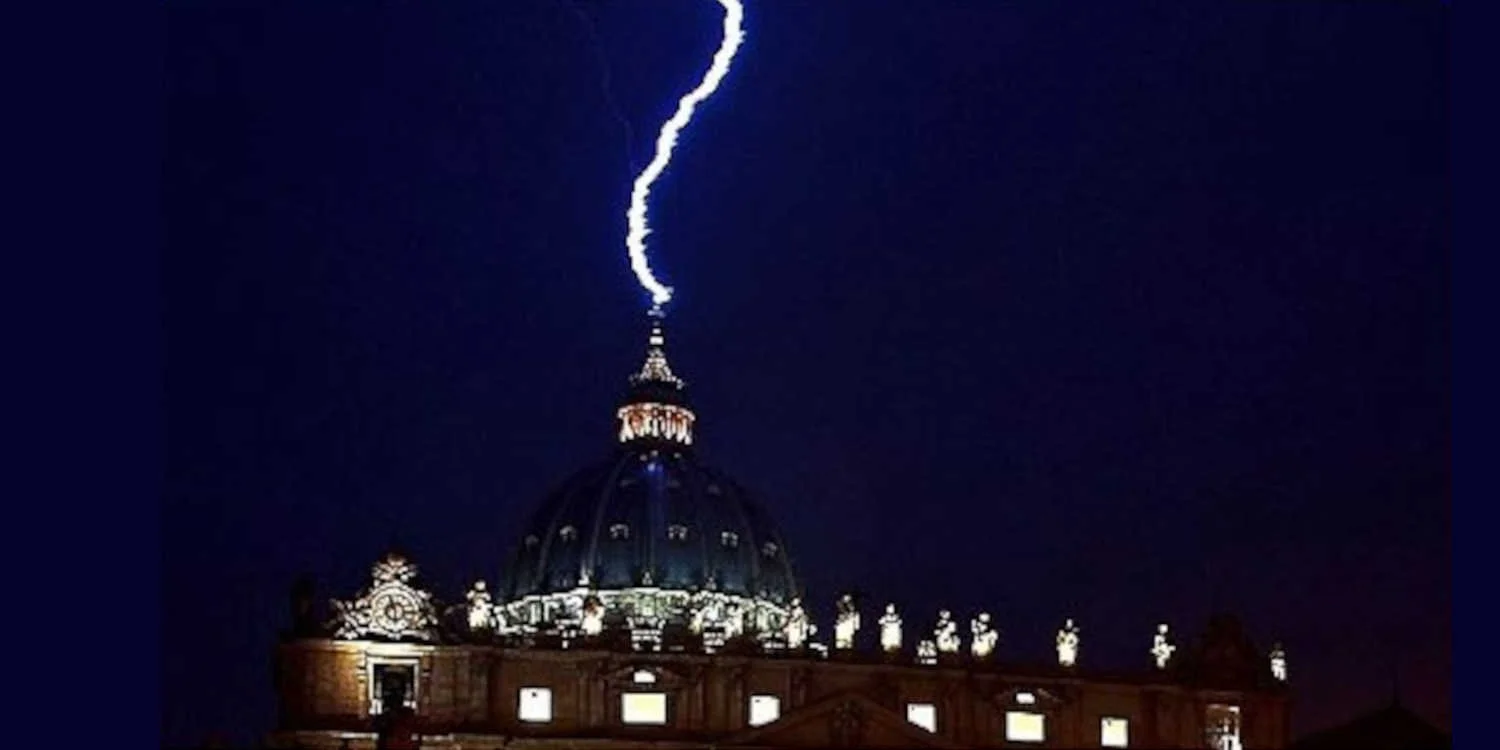
The First Catholic Scandal!
Filled with the Holy Spirit, the Apostles began to address the bewildered crowd gathered in Acts Chapter Two. Each person heard them speaking in his own native tongue, an event that in effect reversed the “tragedy of Babel” described in the Book of Genesis (11:1-9), in which men became divided by foreign languages. In Acts, the Holy Spirit filled not only the Apostles, but many of the crowd as well, “and there were added that day about three thousand souls.” (Acts 2:41).
It was on that day that the Church was born, and before it was even ten minutes old, scandal broke out. Those in the crowd who did not “inherit the wind” immediately accused the Apostles of being drunk at 9:00 in the morning on a major holy day that required a morning fast. Their claims forced Saint Peter into the first Papal defense of the Church:
“Men of Judea and all who dwell in Jerusalem, let this be known to you, and give ear to my words. For these men are not drunk, as you suppose, since it is only the third hour of the day.”
— Acts 2:14-15
Saint Peter went on to preach the Church’s first homily, relying on the Prophet Joel (2:28-32) to explain that God poured out His Spirit because the Messianic Age had begun. The meaning of The Passion of the Christ was revealed, and the Apostolic Succession that first preached Christ continues even today in Salvation History as expressed in Catholic Tradition. There is no human institution on earth that has endured for so long in human history. For me, this is the real evidence that the Church inherits the wind. There is no human language, culture, or government that has existed in linear succession for so long. It is safe to say that no human conflict can put asunder what God Himself has joined. To suggest that a 21st Century tabloid sex scandal can destroy the Church is pure folly.
The point is brought home often in the news headlines, and a great example was in a May 10, 2011 column by Mary Kissel in The Wall Street Journal (“A Cardinal’s Warning on China“). Mary Kissel wrote of China’s Communist regime and its interference in the selection and ordination of Catholic bishops. She summed up the state of affairs quite well:
“The Holy See is thousands of years old; the Chinese Communist Party has ruled for little over six decades, and it faces all kinds of internal instability and challenges to its illegitimate rule. When the regime eventually falls, China will be the holy grail of Catholic missions.”
— WSJ Editorial Page, May 10, 2011
I have a particular challenge as I mark this 32nd Pentecost in prison. As I wrote in “The Last Full Measure of Devotion,” more than the loss of freedom itself, I mourn the passing of the world beyond these stone walls. Sometimes my faith strains under the weight of an unjust imprisonment, but when something as simple as a blast of cool wind through my cell on a blistering summer day can remind me of Pentecost, I have hope. We who have inherited the wind do not measure the weight of our crosses, but rather the strength of our conversion and our identity as True Believers.
In the last words of the Resurrected Christ to the Apostles as they gathered in fear of his Crucifixion and the torment of pursuit, Christ never promised them a rose garden instead, “He breathed on them and said to them, ‘Receive the Holy Spirit.’ ” (John 20:22)
+ + +
Note from Father Gordon MacRae: “Receive the Holy Spirit.” Join us a three-minute meditation on the event of Pentecost as the Benedictine Monks of the Abbey of Santo Domingo de Silos chant the Pentecostal hymn “Veni Creator Spiritus.”
This post will be added to our Sacred Scripture collection, The Bible Speaks. You may also like these related links from Beyond These Stone Walls:
The Holy Spirit and the Book of Ruth at Pentecost
For Mother Teresa of Calcutta, Pentecost Illumined the Night
Forty Years of Priesthood in the Mighty Wind of Pentecost
+ + +
Veni Creator Spiritus

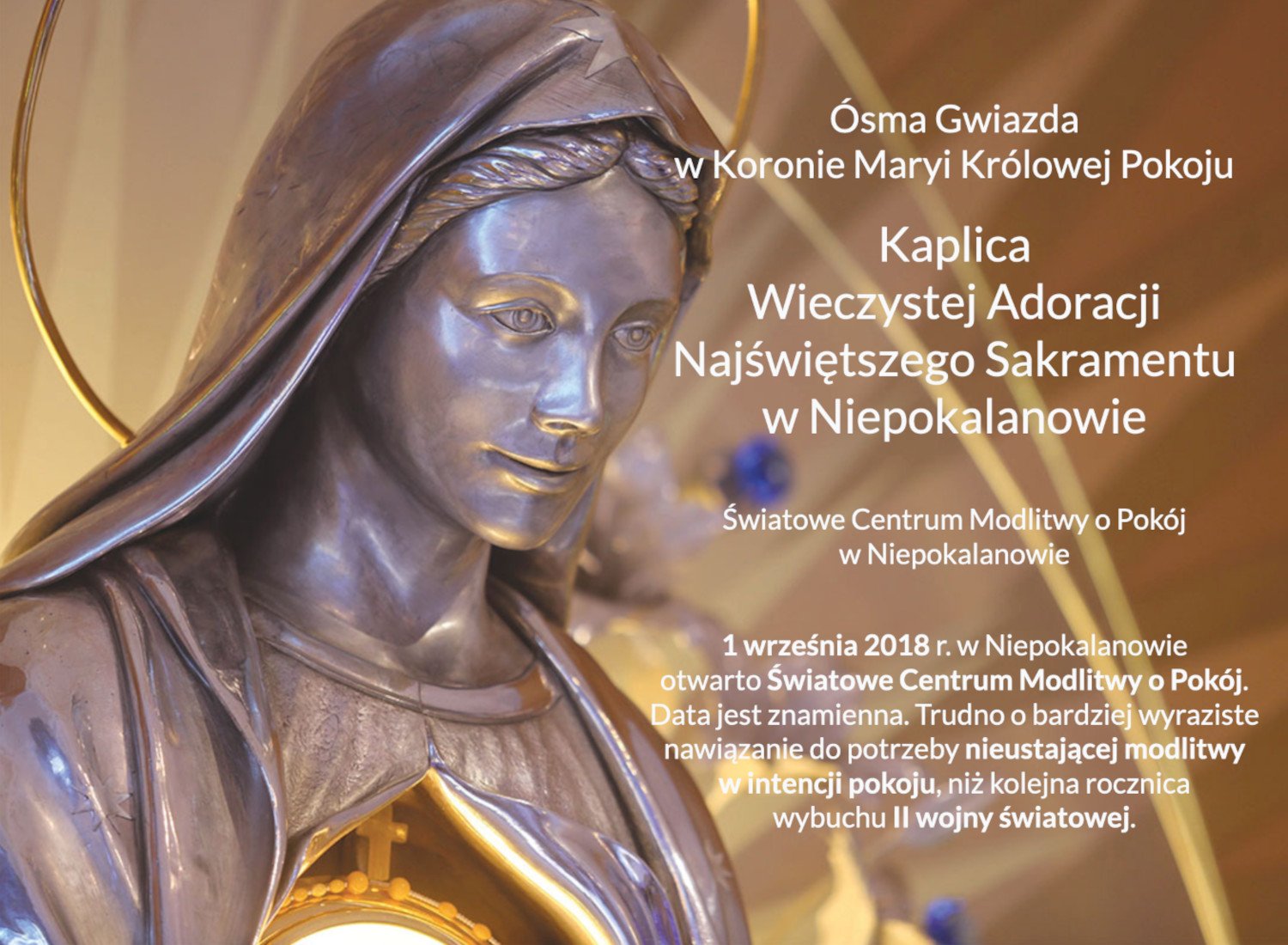

The Eucharistic Adoration Chapel established by Saint Maximilian Kolbe was inaugurated at the outbreak of World War II. It was restored as a Chapel of Adoration in September, 2018, the commemoration of the date that the war began. It is now part of the World Center of Prayer for Peace. The live internet feed of the Adoration Chapel at Niepokalanow — sponsored by EWTN — was established just a few weeks before we discovered it and began to include in at Beyond These Stone Walls. Click “Watch on YouTube” in the lower left corner to see how many people around the world are present there with you. The number appears below the symbol for EWTN.
Click or tap here to proceed to the Adoration Chapel.
The following is a translation from the Polish in the image above: “Eighth Star in the Crown of Mary Queen of Peace” “Chapel of Perpetual Adoration of the Blessed Sacrament at Niepokalanow. World Center of Prayer for Peace.” “On September 1, 2018, the World Center of Prayer for Peace in Niepokalanow was opened. It would be difficult to find a more expressive reference to the need for constant prayer for peace than the anniversary of the outbreak of World War II.”
For the Catholic theology behind this image, visit my post, “The Ark of the Covenant and the Mother of God.”
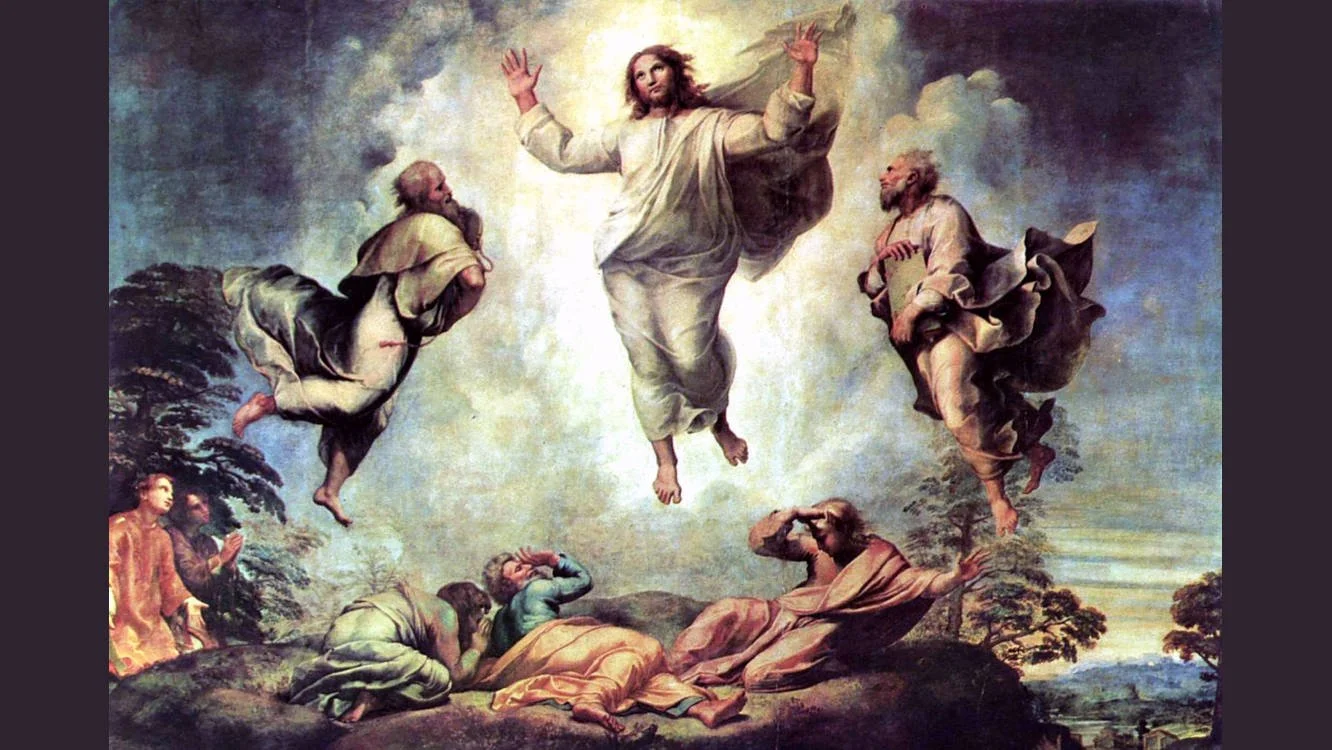
The Law and the Prophets and the Transfiguration of Christ
Moses and the Prophet Elijah are present for the Transfiguration of Christ. They represent the Law and the Prophets, the two pillars of Israel's faith and ours.
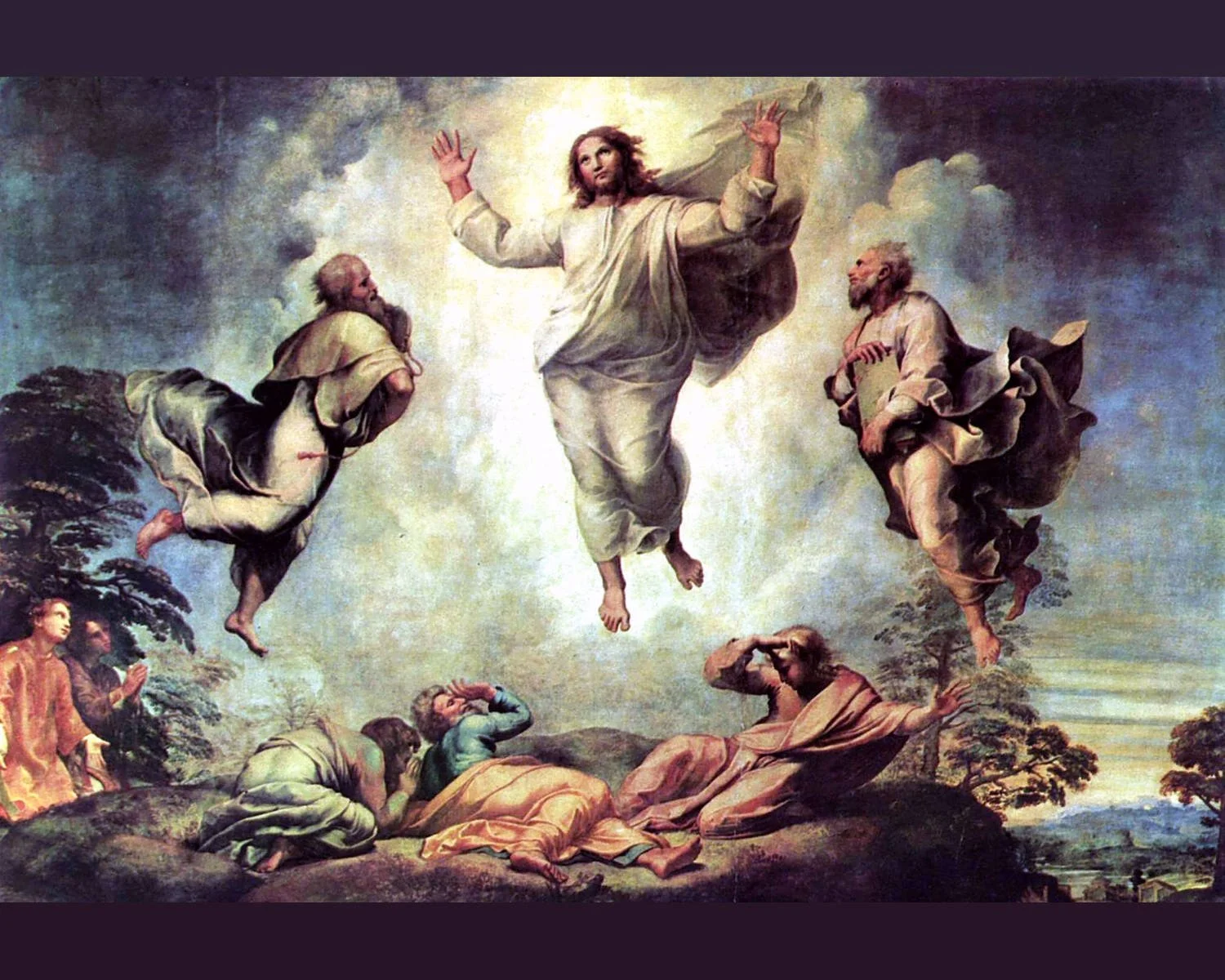
Moses and the Prophet Elijah are present for the Transfiguration of Christ. They represent the Law and the Prophets, the two pillars of Israel's faith and ours.
February 25, 2026 by Father Gordon MacRae
“Nothing new in the Holy See.” I hear these words from our Editor every week as she reviews with me a global traffic report for this blog. Being blind behind these stone walls to everything going on with a post after it leaves my archaic typewriter, this opportunity to know that someone out there is actually reading is vaguely comforting to me. We cannot know who is reading any particular post, but we can see where they are, and how many they are.
Our call always ends with “Nothing new in the Holy See.” It means that no one there has stopped to look from Beyond These Stone Walls. There is a sadness in that. There is a lot of controversy in Rome these days, and because I have a stake in it, I am both anxious about it and anxious to have a voice in it. I look intently at the affairs of Rome even if no one there is ever looking back. Current events there are sometimes manipulated by those with an agenda to reshape the Church in their own image, or to filter the Way, the Truth, and the Light through the age of relativism.
But all this has more to do with our politics than the far more important opportunities to explore, and allow to be shaped within us, the profoundness of our faith. Unlike other Catholic bloggers, I can write only one post per week so the affairs of Rome will have to wait. It is Lent, after all, and the Transfiguration of Christ in the Gospel this week shakes the Earth under my feet while the affairs of Rome only make me tremble a bit.
So no offense to my fellow Catholics embroiled over the dramas of Rome, and the tug-of-war closer to home as struggles over altar rails and Latin in the Mass threaten to replace our struggle to live the Gospel. I am painfully aware that in 2013 Pope Benedict XVI left the Chair of Peter. My entire life as a priest had been overshadowed by the light of two great men who became giants not only in faith but in the world. I will never forget that 1978 knock on my seminary room door and the voice that followed: “The Pope has died!” I shouted back, “That happened a month ago!” The face of the Church in the modern world changed as the first non-Italian in centuries became pontiff in the person of Saint John Paul II. Twenty-six years later in 2005 he was followed in the papacy by the brilliant Joseph Ratzinger, a theologian par excellence who became Benedict XVI. I have always been aware that the two popes who followed them had to fill the shoes of giants, so I have to always remind myself to cut them a little slack. I fend off any tendency to judge or compare them with their predecessors.
These are dark days for priests, and often dark for faithful Catholics as well. But darkness preceded the Transfiguration of Christ at the center of the Gospel for the Second Sunday of Lent, and as usual there is a story on its surface and a far greater one in its depths. Lord, be our Light.
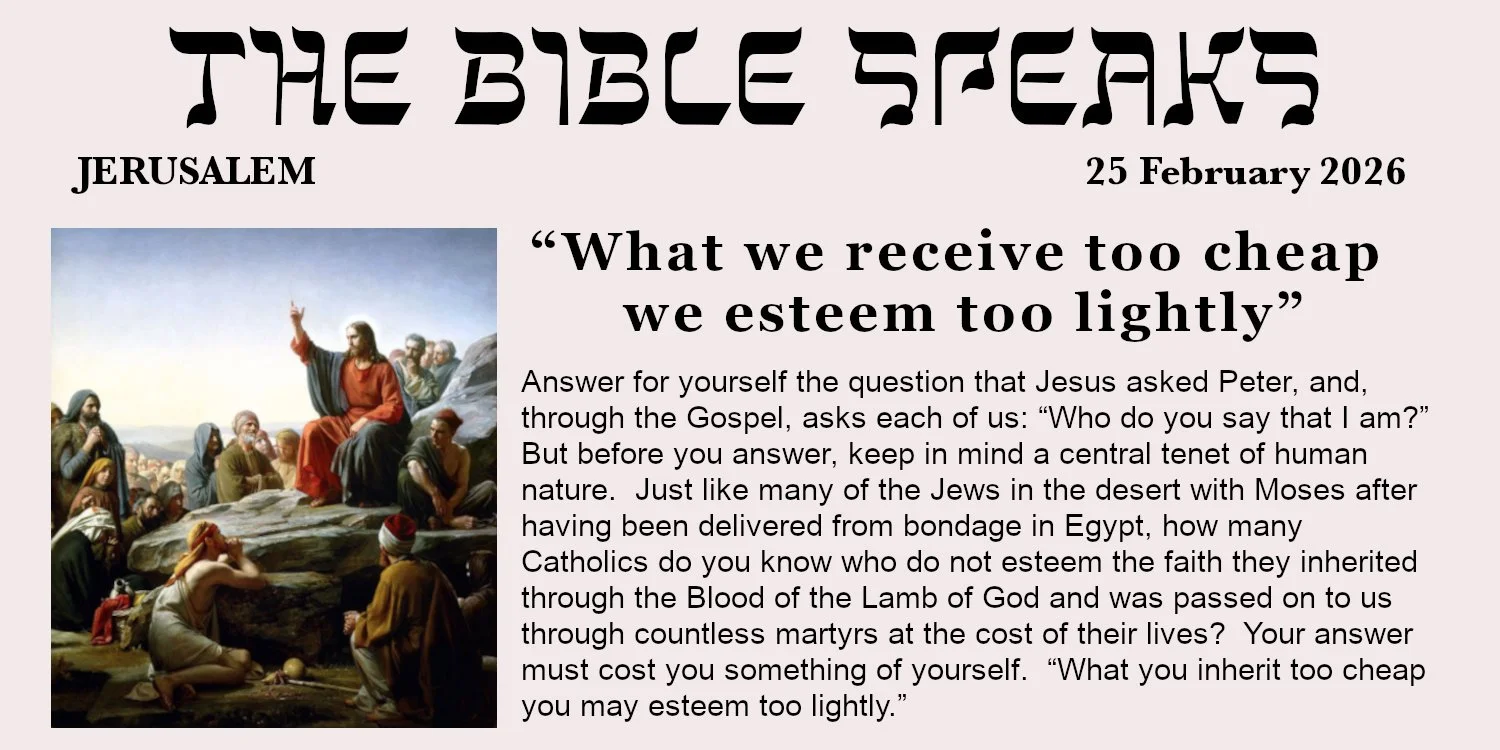
Who Do You Say That I Am?
All three Synoptic Gospels have an account of the Transfiguration of Jesus, and the accounts are remarkably uniform. This week for the Second Sunday of Lent, it is Matthew’s turn, but all the elements he presents in his presentation of the Transfiguration of Christ are also presented by Luke who adds a component. Luke alone presents a reason for the Lord to bring three of His Apostles to the top of Mount Tabor:
“Jesus took Peter, James and John and went up the mountain to pray. While he was praying his face changed in appearance and his clothing became dazzling white. And behold, two men were conversing with him, Moses and Elijah, who appeared in glory and spoke of his exodus that he was going to accomplish in Jerusalem.”
— Luke 9:28-30
I wrote of this same event and its place in Salvation History in my recent post, “Covenants of God.”
Some immediate understanding of this event would have dawned upon any faithful Jew and certainly registered with Peter, James and John. The account is highly reminiscent of an event in the Book of Exodus that took place some 13 centuries earlier:
“When Moses came down from Mount Sinai with the two tablets of the Law in his hands, as he came down from the mountain Moses did not know that the skin of his face shone because he had been talking with God. And when Aaron and all the people of Israel saw Moses, because the skin of his face shown, they were afraid to come near him.”
— Exodus 34:29-30
Though the event of the Transfiguration of Jesus would vividly bring to the Jewish mind that passage from Exodus, it was also very different. It was like the difference between the Sun and the Moon. The Moon only reflects light radiated from the Sun. As brilliant as a full moon can appear in the darkness of night, it produces no light of its own. The face of Moses only reflected the light of grace radiated from God.
The Sun, on the other hand, radiates its own dazzling light, and to look too long would cause blindness. The light of the Transfiguration of Christ was “dazzling,” and it came from within. In those few moments — for Peter, James and John could have stood no more than a few — God lifted a corner of the veil to reveal the nature of the person Peter declared to be the Christ:
“The only begotten Son of God, born of the Father before all ages, God from God, Light from Light, true God from true God, begotten, not made, consubstantial with the Father, through him all things were made. For our salvation he came down from heaven.”
— The Nicene Creed
I wrote of this account a few years ago in “A Transfiguration Before Our Very Eyes.” That post was more about the conversion that this episode can bring within a person who comes to some understanding of its spiritual dimensions. Canadian Catholic blogger Michael Brandon at “Free Through Truth” actually wrote a post about that post — and his was far better than mine — which he entitled, “Transfiguration, You and Me.”
The conversion that Michael Brandon and I both highlighted was that of Pornchai Moontri, and it is a most important story, not just for him, or for me, but for a Church embroiled in scandal. If you think I may beat this drum of Pornchai’s conversion too much, I challenge you to delve into it for I cannot emphasize it enough. Given the story told in “Pornchai Moontri and the Long Road to Freedom,” his conversion — a change not just of heart but of substance — should have been impossible. And he found no light in me, for I radiate none.
In the Gospel, the Transfiguration of Jesus was preceded by two pivotal events. On the command of Jesus, the Apostles fed 5,000 people with a mere five loaves of bread and two fish. When it was over, he asked the Apostles, “Who do the people say that I am?” They answered, “Some say John the Baptist” (for he had already been beheaded by Herod) “while some say Elijah or that one of the prophets of old has arisen.”
But what about you, asked Jesus. “Who do you say that I am?” Peter answered for all: “You are the Christ of God”. Jesus then told them a startling revelation bringing them to an inner darkness:
“You are to tell this to no one. The Son of Man, must suffer many things, be rejected by the elders and chief priests and scribes, and be killed, and on the third day be raised. If any man would come after me, let him deny himself and take up his cross daily and follow me. For whoever would save his life will lose it; and whoever will lose his life for my sake, will save it.”
So answer for yourself the question that Jesus asked Peter, and, through the Gospel, asks each of us: “Who do you say that I am?” But before you answer, keep in mind a central tenet of human nature. Just like many of the Jews in the desert with Moses after having been delivered from bondage in Egypt, how many Catholics do you know who do not esteem the faith they inherited through the Blood of the Lamb of God and was passed on to us through countless martyrs at the cost of their lives? Your answer must cost you something of yourself. “What you inherit too cheap you may esteem too lightly.”
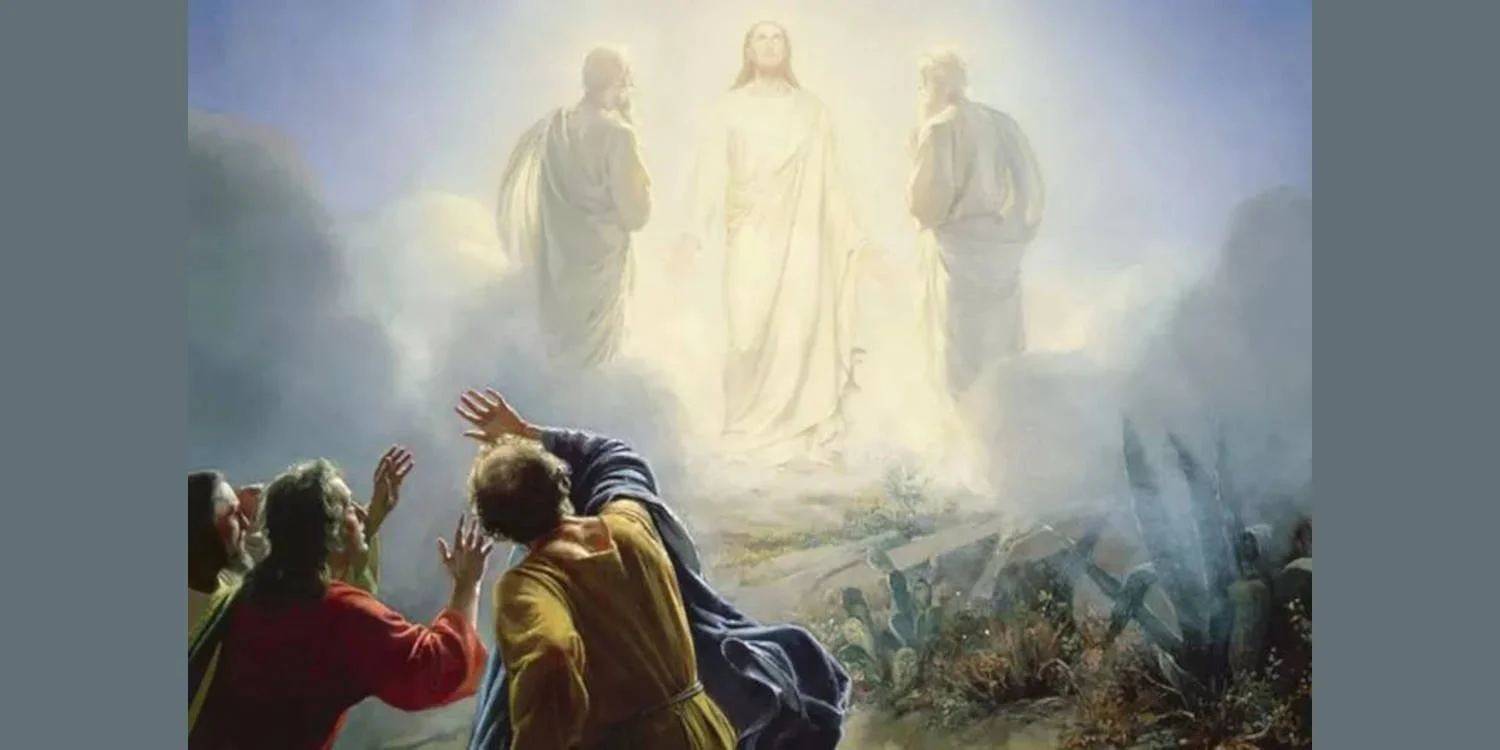
A Conversation with Moses and Elijah
I would like to delve deeper into the theological significance of the Transfiguration account and into its spiritual resonance. First, the very important story behind the story. The account is filled with great spiritual meaning. First, why do Moses and Elijah appear?
A lot in Sacred Scripture happens on mountaintops. In the Book of Exodus, Moses received the Covenant from God on Mount Sinai. In the First Book of Kings, the Prophet Elijah encountered God on Mount Horeb. On Mount Tabor — the place where long-held tradition places the Transfiguration — Moses and Elijah represent the Law and the Prophets, the two central pillars of faith in Judaism, and the foundations of God’s Covenant with Israel.
But how can they be present in heaven before the Resurrection of Jesus and the Exodus from sin and death? The greatness of Elijah is attested to by the sheer number of allusions to him in both the Old and New Testaments. In the Hebrew mind, it was Elijah who affirmed the supremacy of Yahweh over nature and human history, and was seen as the principal defender of traditional Hebrew morality.
Elijah can be present at the Transfiguration because he was taken on a chariot into heaven (2 Kings 2:1-18). It was an ingrained belief of Hebrew tradition that God would return Elijah to Israel even before this prophecy was set forth by the Prophet Malachi: “Behold, I will send you Elijah the prophet before the great and terrible Day of the Lord comes” (Malachi 4:5). Knowing the Scriptures, the presence of Elijah must have struck both hope and terror into the hearts of Peter, James and John.
But how is it that Moses was there with Jesus on Mount Tabor? This is where the Hebrew Scriptures and the legends of faith intersect. The Canon of Sacred Scripture reveals the story of Salvation History from Abraham to Jesus, but Israel also had a collection of oral and written traditions accepted by Rabbinical teaching as “Deuterocanonical” meaning, “Secondary Canon.” Some of these are also called “Apocryphal” texts from the Greek, “apokryphos” which means “hidden.” Some of what is in these texts intersects with the Bible, but remains a matter of pious traditional belief instead of historical verification. I once wrote of these discoveries in “Qumran: The Dead Sea Scrolls and the Coming Apocalypse.” There are others perhaps not yet discovered. The Book of Daniel (12:9) speaks of “words that are shut up until the end of time.”
An example of how one such text contributed to popular belief is the “Protoevangelium of James.” It circulated in the Early Church and was cited by one of the Church Fathers. It is the only source for a tradition that the parents of Mary were Joachim and Anna.
There were several texts outside of Scripture from which legends and traditions circulated regarding Moses. These include the Books of Enoch, the Book of Jubilees, and the Assumption of Moses. They influenced early Rabbinic beliefs and teachings about angels, for example, and the lives of Moses and other Biblical figures.
The Assumption of Moses reveals a tradition, now lost from the fragments of the text that have survived, about the death of Moses in the Sinai desert. In that legend, Satan tried to claim the body of Moses, but Michael the Archangel contended with Satan and won. Michael then escorted Moses into heaven, like Elijah, body and soul. That this legend became engraved into the beliefs of Israel, and passed to the Early Christian Church, is evident in the New Testament Letter of Jude who is writing to an audience that obviously already knows of the account:
“But when the Archangel Michael, contending with the devil, disputed about the body of Moses, he did not presume to pronounce a reviling judgment upon him, but said, ‘The Lord Rebuke you.’ ”
— Jude 1:9
It may be from this legendary story that, from the earliest time in the Christian Church, Saint Michael the Archangel has the role of escorting the souls of the dead to salvation. This is how Moses could thus be present with Elijah at the Transfiguration where they are reported to have discussed with Jesus the Cross, the Second Exodus. The road upon which Jesus is embarked is connected to the Law and the Prophets. It is to be an Exodus from the bondage of sin and death in which God will Himself pay the price for release that he once exacted from Pharaoh: The sacrificial death of his own Son.
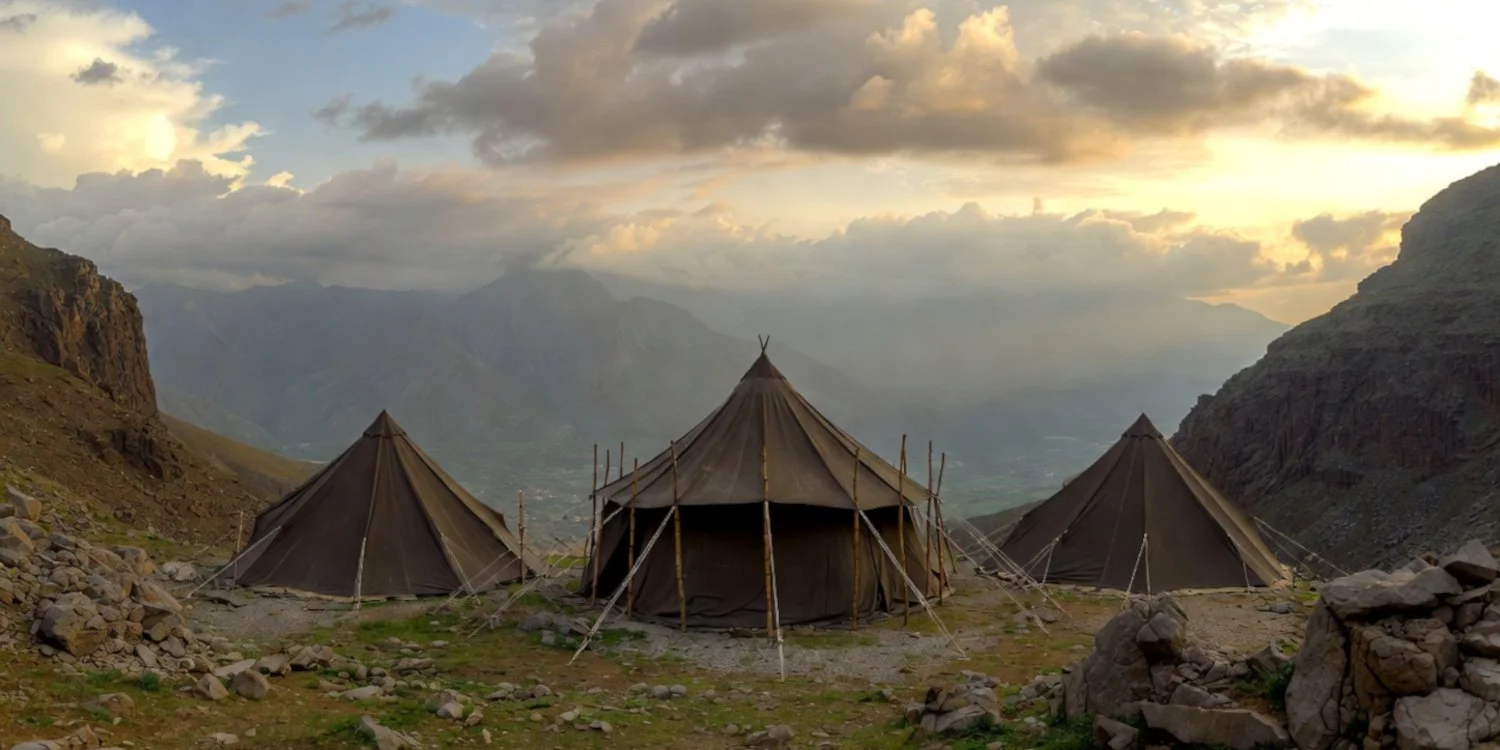
The Feast of Tabernacles
The entire Gospel account of Transfiguration takes place against the backdrop of the Feast of Tabernacles. This is why, in his dreamlike ecstatic state, Peter wants to delay the parting of Moses and Elijah from Jesus by saying,
“Master, it is good that we are here. Let us make three tents, one for you, one for Moses, and one for Elijah.”
Peter misinterprets the reason why they are all present in that place as being the annual Harvest Feast of Tabernacles (or tents), called in Hebrew, “Sukkot.” It is one of three Pilgrimage Feasts in the Hebrew calendar. It was originally a harvest feast, something like the American Thanksgiving, and called the “Feast of Ingathering” in the earliest Hebrew traditions. It lasts for seven days.
As I researched the connection between the Feast of Tabernacles, with its origin in Exodus 23:16, and the Transfiguration of Christ some thirteen centuries later, I came upon a long and detailed article about its history. As I studied the article, I was shocked to see at the end that it was written by my uncle, the late Father George W. MacRae, a renowned Scripture scholar who became rector of the École biblique et archéologique française de Jérusalem and Stillman Professor of Catholic Studies at Harvard University. It was an article he wrote for Catholic Biblical Quarterly in 1960, much of which became included in the New Jerome Biblical Commentary.
The Feast of Sukkot — variously interpreted as Tabernacles, Tents, Huts or Booths — had its roots in early Palestine as little huts were built in the fields, orchards and vineyards during the harvest. Much later, the Pilgrimage Feast was given a deeper religious meaning when it became connected to the events of the Exodus as a memorial to how the Israelites lived during their forty years of wandering in the desert after following Moses through the Red Sea.
It is an irony of Biblical proportions that this formed the scene for the revelation of Jesus as the Son of God about to enter Jerusalem for the New Exodus, the Exodus through the Red Sea of sin and death. It is the Exodus of the Cross through which Jesus will lead us to the New Jerusalem, the Promised Land, if we pick up our Cross and follow Him.
“This is my Son, my Chosen. Listen to him.”
— Luke 9:35
+ + +
Note from Father Gordon MacRae: Thank you for reading and sharing this post. You may also like these related posts from Beyond These Stone Walls:
Qumran: The Dead Sea Scrolls and the Coming Apocalypse
He Has His Mother’s Eyes: The Vision of Our Lady of Guadalupe
“What Shall I Do to Inherit Eternal Life?” (Luke 10:25)
On Good Authority, “Salvation Is from the Jews”
Readers have told us that our Sacred Scripture collection, The Bible Speaks, is a treasure trove of meaningful biblical literature and fine reading for Lent.
Don’t be a stranger. Follow Father Gordon MacRae on X.
The Eucharistic Adoration Chapel established by Saint Maximilian Kolbe was inaugurated at the outbreak of World War II. It was restored as a Chapel of Adoration in September, 2018, the commemoration of the date that the war began. It is now part of the World Center of Prayer for Peace. The live internet feed of the Adoration Chapel at Niepokalanow — sponsored by EWTN — was established just a few weeks before we discovered it and began to include in at Beyond These Stone Walls. Click “Watch on YouTube” in the lower left corner to see how many people around the world are present there with you. The number appears below the symbol for EWTN.
Click or tap here to proceed to the Adoration Chapel.
The following is a translation from the Polish in the image above: “Eighth Star in the Crown of Mary Queen of Peace” “Chapel of Perpetual Adoration of the Blessed Sacrament at Niepokalanow. World Center of Prayer for Peace.” “On September 1, 2018, the World Center of Prayer for Peace in Niepokalanow was opened. It would be difficult to find a more expressive reference to the need for constant prayer for peace than the anniversary of the outbreak of World War II.”
For the Catholic theology behind this image, visit my post, “The Ark of the Covenant and the Mother of God.”