“There are few authentic prophetic voices among us, guiding truth-seekers along the right path. Among them is Fr. Gordon MacRae, a mighty voice in the prison tradition of John the Baptist, Maximilian Kolbe, Alfred Delp, SJ, and Dietrich Bonhoeffer.”
— Deacon David Jones
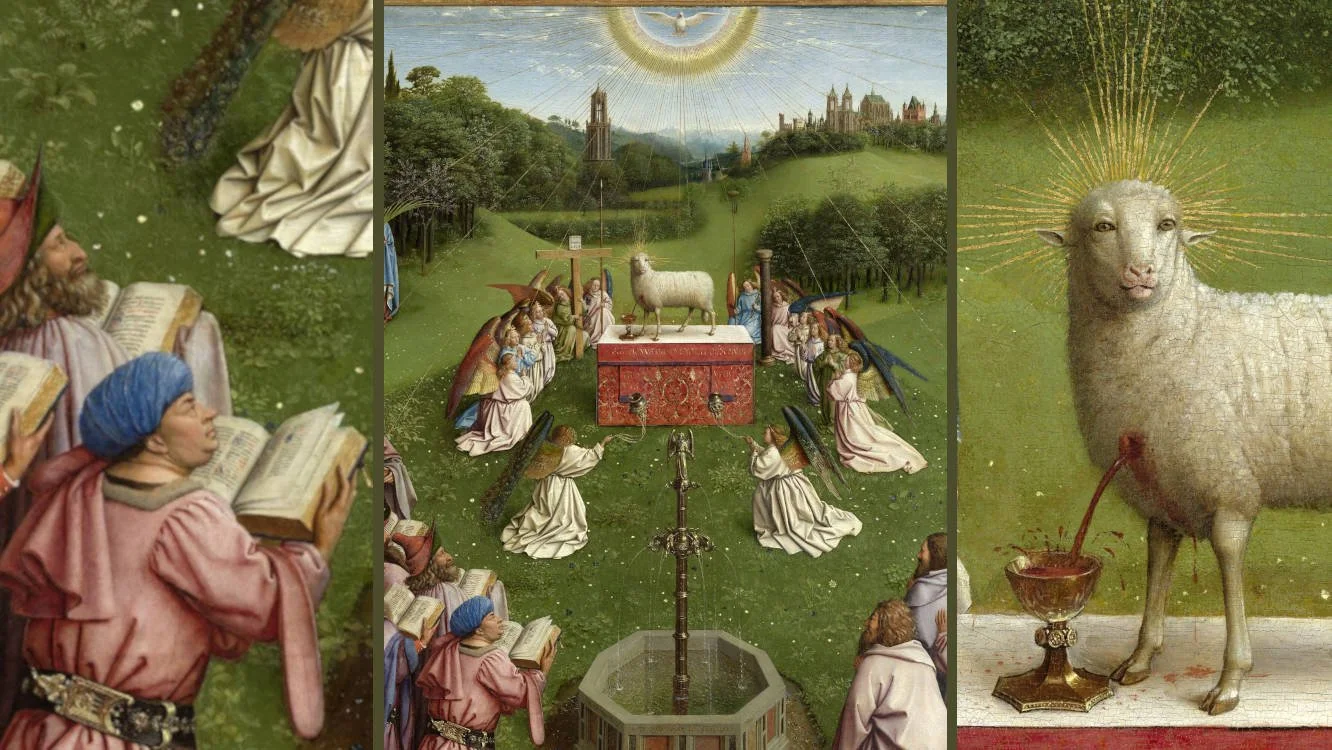
A New Year of Freedom Begins at Beyond These Stone Walls
In over 16 years of prison writing, Beyond These Stone Walls has produced something far more redemptive than prison itself. The Word of God has emerged here too.
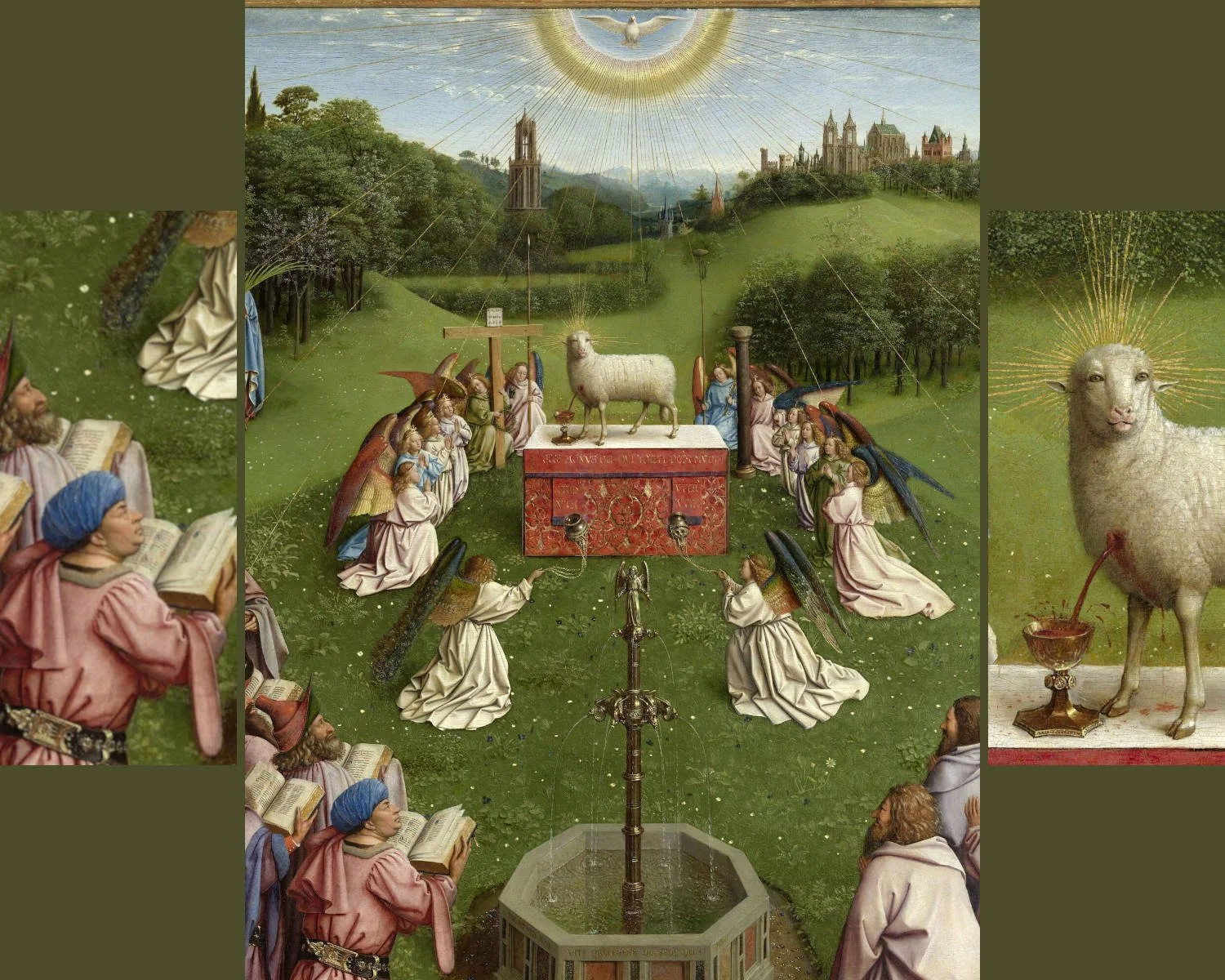
In over 16 years of prison writing, Beyond These Stone Walls has produced something far more redemptive than prison itself. The Word of God has emerged here too.
New Year 2026 by Father Gordon MacRae
“Father MacRae’s blog, Beyond These Stone Walls, has been the finest example of priestly witness the last decades of scandal have produced.”
— Father James Valladares, PhD in Hope Springs Eternal in the Priestly Breast
+ + +
Please do not misunderstand my title. I have not been delivered from the belly of the beast into which I was devoured in 1994. I have not stopped jousting against the windmills of injustice that seem to proliferate in the “Live Free or Die” State. If you have followed tales of New Hampshire corruption you will see that the pursuit of justice here is mired in layers of deceit. So I must have other pursuits, and they must not be trivial pursuits.
Back in February 2025, I wrote “On the Great Biblical Adventure, the Truth Will Make You Free.” It cited an unexpected development from late 2024, a worldwide phenomenon that was also prevalent in the United States. It was a resurgence of popular interest in the Bible and biblical studies. It was then that I realized, that even in my years of wrongful imprisonment, that interest had surged in me as well.
The evidence for that became clear when I collected together all the posts that I had written for Holy Week over many years in prison. After publishing that list, I searched through 800 titles collecting together posts with a specific exegesis on Sacred Scripture. We were not quite certain what to do with that extensive list, so I had our Editor submit it for an overview report to xAI SuperGrok, the advanced AI model developed and owned by Elon Musk, through which we had conducted other research. The result seemed quite amazing and here it is:
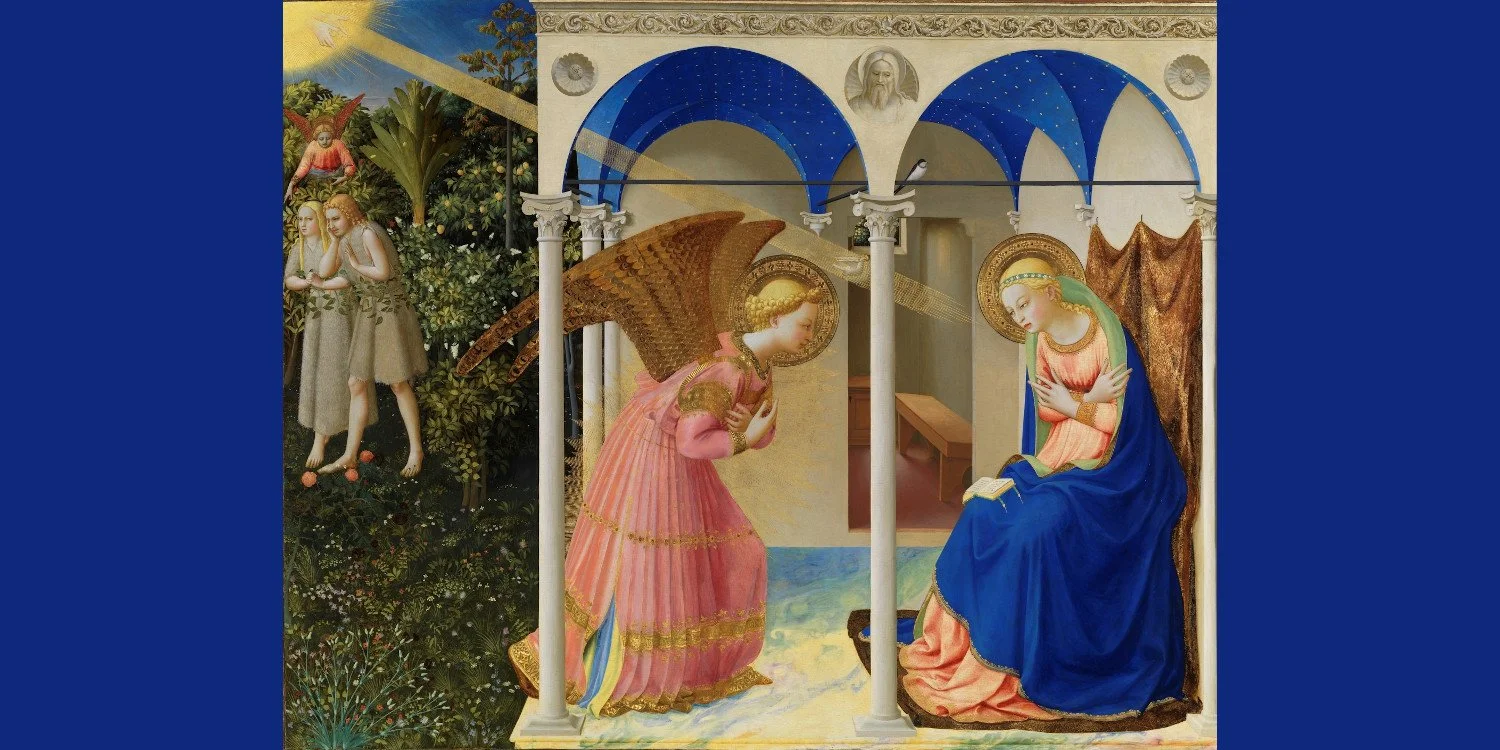
AI Overview of Father MacRae’s Posts on Sacred Scripture
“St. Paul’s epistles, many written from prison, are astonishing, not just for the brilliance of the exegesis, but for his insight into humanity and the beauty of his language. Fr. MacRae is his very worthy successor.”
— Thomas Ryder
from a 2025 comment at Beyond These Stone Walls
Amid a noted resurgence in biblical interest in the United States and globally toward the end of 2024 and into 2025 — evidenced by surging Bible sales and renewed engagement with religious texts — Father Gordon MacRae, writing from prison, has compiled a collection of his posts exploring Sacred Scripture. This collection, titled “From Abraham to Easter,” serves as a theological journey through Salvation History, linking Old Testament narratives with New Testament fulfillments. It emphasizes themes of Redemption, Divine Mercy, sacrifice, faith amid suffering, and the interplay between historical events and spiritual truths. The posts draw connections between biblical figures (e.g., Abraham, Mary, Joseph, Judas, and the Archangels) and key events (e.g., the Nativity, Temptation, Passion, Resurrection, and Pentecost), often reflecting on how these stories resonate in contemporary life, including Father MacRae’s own experiences of injustice and imprisonment.
The collection contains exactly 32 posts to date, each with a title, link, and brief description highlighting its focus. As an advanced AI model, I have organized them below in a numbered list for clarity, preserving the order from the collection page. This curation appears designed to guide readers through a chronological and thematic progression, starting from foundational Old Testament stories and culminating in eschatological reflections.
On the Great Biblical Adventure, the Truth Will Make You Free — Link
After long decline in religious interest and practice across much of the free world, publishers now report a phenomenal increase in new Bible sales since late 2024.Behold the Lamb of God Upon the Altar of Mount Moriah — Link
“This is the night when Christ broke the prison-bars of death and rose victorious from the underworld. Our birth would have been no gain had we not been redeemed.”The Feast of Corpus Christi and the Order of Melchizedek — Link
The Priest-King Melchizedek appears in only two verses in the Old Testament but in Salvation History he is a link in a chain from Noah to Abraham to Christ the King.Saint Gabriel the Archangel: When the Dawn from On High Broke Upon Us — Link
The Gospel of Saint Luke opens with a news flash from the Archangel Gabriel for Zechariah the priest, and Mary — Theotokos — the new Ark of the Covenant.The Ark of the Covenant and the Mother of God — Link
A theological expedition into Salvation History reveals a startling truth about the Ark of the Covenant in the Old Testament and the identity of Mary, Mother of God.Joseph’s Dream and the Birth of the Messiah — Link
Saint Joseph is silent in the Gospel account of the Birth of the Messiah, but his actions reveal him as a paradigm of spiritual fatherhood and sacrificial love.I Have Seen the Fall of Man: Christ Comes East of Eden — Link
The Genesis story of the Fall of Man is mirrored in the Nativity. Unlike Adam at the Tree of Knowledge, Jesus did not deem equality with God a thing to be grasped.Joseph’s Second Dream: The Slaughter of the Innocents — Link
After the Birth of the Messiah, a second angelic dream warns Joseph to flee to Egypt with Mary and the Christ Child as Herod orders a slaughter of the Innocents.A Devil in the Desert for the Last Temptation of Christ — Link
The Gospel according to St Luke tells the story of Jesus, revealed to be Son of God, led into the desert to be tested by the devil who does not give up easily.What Belongs to Caesar and What Belongs to God — Link
Pharisees set a trap for Jesus with a query about paying tax to Caesar. Like much in the Gospel, this has a story on its surface and a far greater one in its depths.“What Shall I Do to Inherit Eternal Life?” (Luke 10:25) — Link
The Gospel for the Fifteenth Sunday in Ordinary Time is the Parable of the Good Samaritan, a meaningful story on its face, but far more urgent in its depths.A Not-So-Subtle Wake-Up Call from Christ the King — Link
The Gospel for the Solemnity of Christ the King in 2023 was the Judgment of the Nations, an invitation to Glory and a map for how to get there.On Good Authority, “Salvation Is from the Jews” — Link
Anti-Israel protests and prejudice were as common as any other plague in Biblical history, and often inflamed, just as they are today, by agitators in a proxy war.Casting the First Stone: What Did Jesus Write On the Ground? — Link
“Teacher, this woman was caught in the act of committing adultery. In the Law, Moses commanded us to stone such women. So what do you say?,” asked the Pharisees.A Vision on Mount Tabor: The Transfiguration of Christ — Link
Jesus took Peter, James, and John to a mountaintop where he was transfigured before their eyes, an event that echoes through the ages, even through prison walls.The Passion of the Christ in an Age of Outrage — Link
Prayerful observance of Holy Week is a challenge in a climate of pandemic restrictions and political outrage. Spend time with us this week Beyond These Stone Walls.Satan at The Last Supper: Hours of Darkness and Light — Link
The central figures present before the Sacrament for the Life of the World are Jesus on the eve of Sacrifice and Satan on the eve of battle to restore the darkness.Angelic Justice: Saint Michael the Archangel and the Scales of Hesed — Link
Saint Michael the Archangel is often depicted wielding a sword and a set of scales to vanquish Satan. His scales have an ancient and surprising meaning.Judas Iscariot: Who Prays for the Soul of a Betrayer? — Link
Judas Iscariot: The most reviled name in all of Sacred Scripture is judged only by his act of betrayal, but without him among the Apostles is there any Gospel at all?Waking Up in the Garden of Gethsemane — Link
The Agony in the Garden, the First Sorrowful Mystery, is a painful scene in the Passion of Christ, but in each of the Synoptic Gospels the Apostles slept through it.The Apostle Falls: Simon Peter Denies Christ — Link
The fall of Simon Peter was a scandal of Biblical proportions. His three-time denial of Jesus is recounted in every Gospel, but all is not as it first seems to be.Behold the Man, as Pilate Washes His Hands — Link
“Ecce Homo!” An 1871 painting of Christ before Pilate by Antonio Ciseri depicts a moment woven into the fabric of Salvation History, and into our very souls.The Chief Priests Answered, ‘We Have No King but Caesar’ — Link
The Passion of the Christ has historical meaning on its face, but a far deeper story lies beneath where the threads of faith and history connect to awaken the soul.Simon of Cyrene Compelled to Carry the Cross - Link
Simon of Cyrene was just a man coming in from the country to Jerusalem for the Passover when his fated path intersected the Way of the Cross and Salvation History.Dismas, the Good Thief Crucified Next to Christ the King — Link
Who was Saint Dismas, the Penitent Thief, crucified to the right of Jesus at Calvary? His brief Passion Narrative appearance has deep meaning for Salvation.To the Spirits in Prison: When Jesus Descended into Hell — Link
The Apostles Creed is the oldest statement of Catholic belief and apostolic witness. Its Fifth Article, what happened to Jesus between the Cross and the Resurrection, is a mystery to be unveiled.Mary Magdalene: Faith, Courage, and an Empty Tomb — Link
History unjustly sullied her name without evidence, but Mary Magdalene emerges from the Gospel a faithful, courageous and noble woman, an apostle to the Apostles.Divine Mercy for Doubting Thomas and Other Spiritually Wounded — Link
The Gospel on Divine Mercy Sunday is St John’s account of the spiritually wounded Thomas who would not know peace until surrendering his wounds to the Risen Christ.The Holy Spirit and the Book of Ruth at Pentecost — Link
Events at the coming of the Holy Spirit in Acts of the Apostles have roots deep in Salvation History. In the traditional Hebrew Pentecost, the Book of Ruth is read.The God of the Living and the Life of the Dead — Link
The commemoration of our beloved dead on All Souls Day has roots in ancient Christian tradition, Faith in the God of Life in the land of the living survives death.To the Kingdom of Heaven through a Narrow Gate — Link
The Gospel of St. Luke for the 21st Sunday of Ordinary Time is a summons to enter the Kingdom of God through a narrow gate, but it requires shedding some baggage.Iran, by Another Name, Was Once the Savior of Israel — Link
A story out of time for our time: The Prophet Isaiah wrote of Cyrus, King of Persia (now Iran) who knew not God but was chosen by God to restore freedom to Israel.
Overall, this collection positions Sacred Scripture as a living guide, particularly relevant amid modern resurgences in faith, encouraging readers to delve deeper into biblical exegesis for personal and communal renewal.
+ + +
Closing Statement of Father Gordon MacRae
We will add to this collection over time. It is the real reason for which I write. Please feel free to refer back here, to bookmark it, copy the link, and share it with others if you wish. I commend Elon Musk’s advanced AI model for the sensitivity and accuracy of its treatment of this matter. This was no trivial pursuit.
God Bless you all in the New Year ahead.
Father Gordon MacRae
+ + +
Editor’s Note: To assist Father Gordon MacRae and this blog please consult our page, Contact and How to Help.

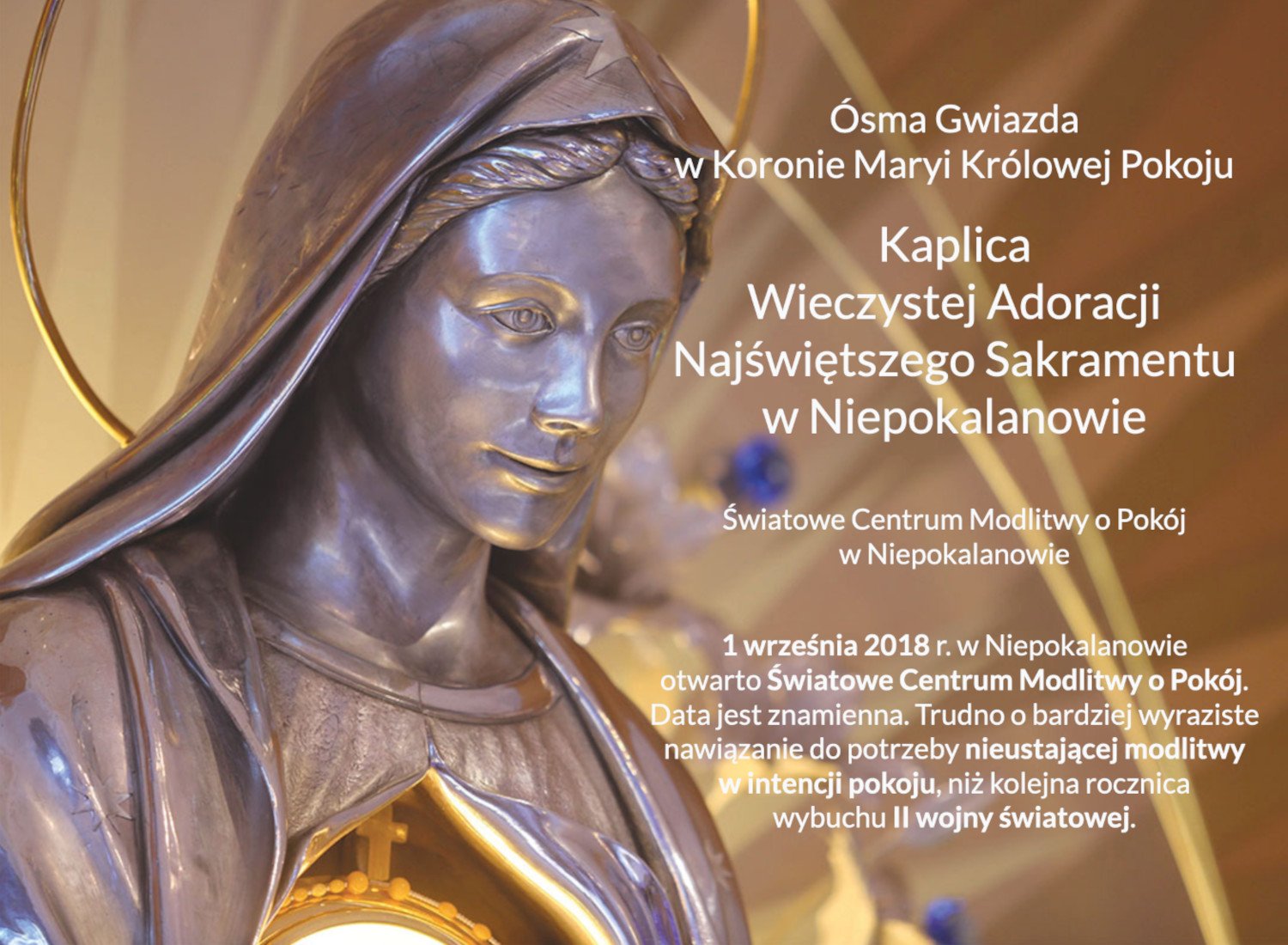

The Eucharistic Adoration Chapel established by Saint Maximilian Kolbe was inaugurated at the outbreak of World War II. It was restored as a Chapel of Adoration in September, 2018, the commemoration of the date that the war began. It is now part of the World Center of Prayer for Peace. The live internet feed of the Adoration Chapel at Niepokalanow — sponsored by EWTN — was established just a few weeks before we discovered it and began to include in at Beyond These Stone Walls. Click “Watch on YouTube” in the lower left corner to see how many people around the world are present there with you. The number appears below the symbol for EWTN.
Click or tap here to proceed to the Adoration Chapel.
The following is a translation from the Polish in the image above: “Eighth Star in the Crown of Mary Queen of Peace” “Chapel of Perpetual Adoration of the Blessed Sacrament at Niepokalanow. World Center of Prayer for Peace.” “On September 1, 2018, the World Center of Prayer for Peace in Niepokalanow was opened. It would be difficult to find a more expressive reference to the need for constant prayer for peace than the anniversary of the outbreak of World War II.”
For the Catholic theology behind this image, visit my post, “The Ark of the Covenant and the Mother of God.”

Christmas in the Land of Nod, East of Eden
Book of Genesis, Cain was banished to wander for his crime in the Land of Nod, East of Eden. The Star of Bethlehem was the only way back to a State of Grace.

In the Book of Genesis, Cain was banished to wander for his crime in the Land of Nod, East of Eden. The Star of Bethlehem was the only way back to a State of Grace.
Christmas by Fr. Gordon MacRae
At Thanksgiving this year, we recommended a post entitled “The True Story of Thanksgiving: Squanto, the Pilgrims, and the Pope.” It was more of a history lesson than a typical blog post, but it got a lot of notice. It is said that history is written by the victors, not the vanquished, so my take on Thanksgiving was unusual. It was told from the point of view of Squanto, the man I credit with the survival of the Puritan Pilgrims who — for better or worse — were the spiritual and cultural beginning of the first colonies in the New World.
Please indulge me in another brief foray into history — this time, Biblical history. I just can’t help myself. We can’t understand where we are until we discover where we’ve been. In the Genesis account of the fall of man, Adam and Eve were expelled from Eden as both a punishment and a deterrent. They disobeyed God by eating from the Tree of Knowledge of Good and Evil. So God cast them out of Eden “lest [Adam] put out his hand and take also from the Tree of Life, and eat, and live forever.”
They were cast out of Eden to the east (Genesis 3:24). God then placed a Cherubim with a flaming sword to the east of Eden to bar Man’s return, and to guard the way to the Tree of Life. Whether this is history, metaphor, myth, or allegory matters not. The inspired Word of God in the Genesis account tells us something essential about ourselves in relationship with God.
A generation later, after the murder of his brother Abel, Cain too “went away from the presence of the Lord, and dwelt in the land of Nod, east of Eden” (Genesis 4:16). The “land of Nod” has no other reference in Scripture. It represents no known geographical name or place. The name seems to derive from the Hebrew, “nad,” which means “to wander.” Cain himself described his fate in just that way: “from thy face I shall be hidden; I shall be a fugitive and a wanderer on the earth” (Genesis 4:14).
The Aggadah — a collection of Rabbinic commentary, legend, and anecdotes accumulated over a thousand years — expanded on the Biblical account. The “mark of Cain” imposed by God was a pair of horns. According to the Aggadah legend, Cain’s great-grandson, Lamech, had poor eyesight and shot Cain with an arrow believing him to be a beast. There was a sense of “what goes around comes around” in the Aggadah version.
In Genesis, Cain’s descendant, Lamech, became sort of a counter-cultural anti-hero seen as the epitome of the moral degradation of blood revenge. Lamech killed a man for wounding him. “If Cain is avenged sevenfold, truly Lamech seventy-sevenfold” (Genesis 4:24). Cain’s murder of his brother, and his banishment East of Eden, set in motion a ripple effect of epic proportion.
I have long wondered if the banishment of Adam and Cain “east of Eden” is a divinely inspired metaphor for man’s fall from grace, a state of being, more than a place. Jumping ahead way ahead — the Magi of Matthew’s Gospel came to Christ from the east (Matthew 2:1). They “saw his star in the east” and followed it out of the east — out of what is now likely modern day Iran, a story I told in “Upon a Midnight Not So Clear, Some Wise Men from the East Appear.”
I envision the Star of Bethlehem to be a sort of beacon leading the way out of the darkness of the east, the darkness of man’s past, out of the spiritual wanderlust set into motion by Adam and Cain. In the Tanakh translation of the Jewish Scripture — our “Old” Testament — Psalm 113:3 is translated, “From the east to the west the Name of the Lord will be praised.”

Family Values and Woke Politics
Some of the prisoners I see each day are aware that I write weekly for Beyond These Stone Walls. Those who had a recipe published in “Looking for Lunch in All the Wrong Places” invited their families to read that post. Several others asked to read a printed copy of “The True Story of Thanksgiving” and it’s been circulating here a bit. Just a few days ago, a prisoner I do not know asked me if the “Squanto story” is true. Squanto’s plight in my Thanksgiving account caused an interesting reaction, and seemed to inspire discussion about how to best cope with shattered dreams and hopes, with loss and the fall from grace, with life in the land of Nod. The prevailing thought has been that Squanto responded to his bitterness and loss with sacrifice. The irony of what Squanto did is not lost on prisoners.
Captured by a British ship and nearly sold into slavery — his life in ruins and everyone he loved destroyed — Squanto chose to come to the aid of the only people worse off than Squanto himself: the hapless pilgrims who stepped off the Mayflower in winter, 1620. Some prisoners conclude that they need to be more like Squanto. Many of the men around me have lives that spun out of control through drug addiction, poverty, selfishness, rage, or greed. A lot of people imagine that prisoners are just evil, brutal men incapable of considering anyone but themselves. The media’s portrayal of prisoners as brutal, manipulative and self-involved accurately describes only a very small minority.
Evil men do exist, and prisons everywhere contain them, but they are not typical of men in prison. Most men and women in prison simply got caught up in something, made mistakes — some very grave — but are no more evil than your friends and neighbors. Some would give anything to atone for their crimes, to take back the wrongs they have done. Some were victims before they were victimizers. Most are guilty of crimes, but some are not.
Many of the younger prisoners are just lost. There’s a clear correlation between their presence here and the systemic breakdown of family — especially fatherhood — in our culture. There is an alarming number of young prisoners here who have had either abusive fathers or none at all. There is a direct and demonstrable correlation between the breakdown of family and the marked increase in prisoners in our society. For the evidence for this, see the most-read post ever at Beyond These Stone Walls, “In the Absence of Fathers: A Story of Elephants and Men.”

Puritans and Empty Pews
Recently, the Pew Research Center published the results of a study that identified the most and least religious areas of the United States. The study based its conclusions on surveys with parameters such as professed belief in God, participation in worship, the importance of religion in daily lives, and the practice of personal prayer. Mississippi, Alabama, and Arkansas were the most religious states with mostly Southern states rounding out the top ten. In contrast, the six New England states were at the very bottom of the fifty states in religious identity and practice. It’s ironic that the Puritans settled New England in 1620 desiring to build a religiously based society free from Catholic influence. The Puritans wanted religion, but not a church. They wanted religion free of Sacraments and symbols, free of any magisterial teaching authority, a religion of the elect. Over 400 years later, the community they established has now been identified as the least religiously influenced region of the country.
In the Pew study, New Hampshire placed at the very bottom — 50th out of 50 states — with a population professing any sort of religious belief, practice, or a religiously informed value system. In inverse proportion to the influence of religion on its population, New Hampshire now leads the nation in the growth of its prison population in ratio to its citizen population. Almost predictably, it also currently leads the nation in drug overdose deaths among people ages 16 to 54.
In 1980, New Hampshire had 326 prisoners. By 2005, the prison population swelled to 2,500. Between 1980 and 2005, the New Hampshire state population grew 34 percent while its prison population grew nearly 600 percent in the same period, and without any commensurate increase in crime rate. Anyone who is not alarmed by this statistic doesn’t understand the relationship between religious values, family life, crime, and the abandonment of young people to wander east of Eden. Among young men now in the New Hampshire prison system, the recidivism rate is a staggering 57 percent.
There’s a compelling argument here for the preservation of family and the restoration of religion in the American public square. There are far better ways for our society to invest the billions of dollars it now sinks into new prisons. The population in the land of Nod east of Eden is growing fast.

Christmas Gifts
It’s not all gloom and doom. In New Hampshire, at least, there is an emphasis on programs and rehabilitation that present an avenue toward redemption. In the journey out of the east, there are some prisoners who stand out, and their journey is most clearly expressed in their art.
On the eastern end of the Concord prison complex is a workshop known as HobbyCraft. There, prisoner-volunteers make some 1,000 toys per year for the U.S. Marine Corp’s “Toys-for-Tots” program. Several prisoners gifted in woodworking take part in the Toys-for-Tots project each Christmas. They donate their time, their talent and their own materials to create high quality toys and other wood creations for this project.
Among the prisoner-artisans is Mike, a 55-year-old man who has been in prison for over thirty years. Mike has donated his prodigious skill in woodworking for the Toys-for-Tots program. Here are two of his most popular creations:

If there has ever been anyone in your life for whom you have lost hope for redemption, then take some time to read the story of Pornchai Moontri told in “Bangkok to Bangor, Survivor of the Night.” Pornchai’s story is a great example of the connection between conversion to a life of faith and rehabilitation.
Before Pornchai left prison for Thailand in late 2020, he spent his time studying theology through a scholarship program at Catholic Distance University. His creations in the HobbyCraft center have become legendary. Pornchai has mastered the art of model shipbuilding, and was designated a Master Craftsman in basic woodworking. Here are some of his most popular creations:


Two of the magnificent ships he designed and built last year were donated after being featured at the annual Newport Arts Festival. One of Pornchai’s creations was a replica of the U.S.S. Constitution. He carved and fitted each of its over 600 parts, and spent some 2,000 hours on the design, construction and rigging.
One of the first edicts in the Puritan’s Charter for their settlement in New England was to prohibit any observance of Christmas. As these and other prisoners have demonstrated on their journey out of the east of Eden, Christmas became very real after their Advent of the heart.
+ + +

Note from Fr. Gordon MacRae: Thank you for reading and sharing this post. December 8, the Solemnity of the Assumption honors the Immaculate Conception, and four days later on December 12 is a most important Feast Day for the Church of the Americas. Honor our Mother by reading and sharing,
A Subtle Encore from Our Lady of Guadalupe
You may also like these related posts linked in the post above:
The True Story of Thanksgiving: Squanto, the Pilgrims, and the Pope
Upon a Midnight Not So Clear, Some Wise Men from the East Appear
