“There are few authentic prophetic voices among us, guiding truth-seekers along the right path. Among them is Fr. Gordon MacRae, a mighty voice in the prison tradition of John the Baptist, Maximilian Kolbe, Alfred Delp, SJ, and Dietrich Bonhoeffer.”
— Deacon David Jones
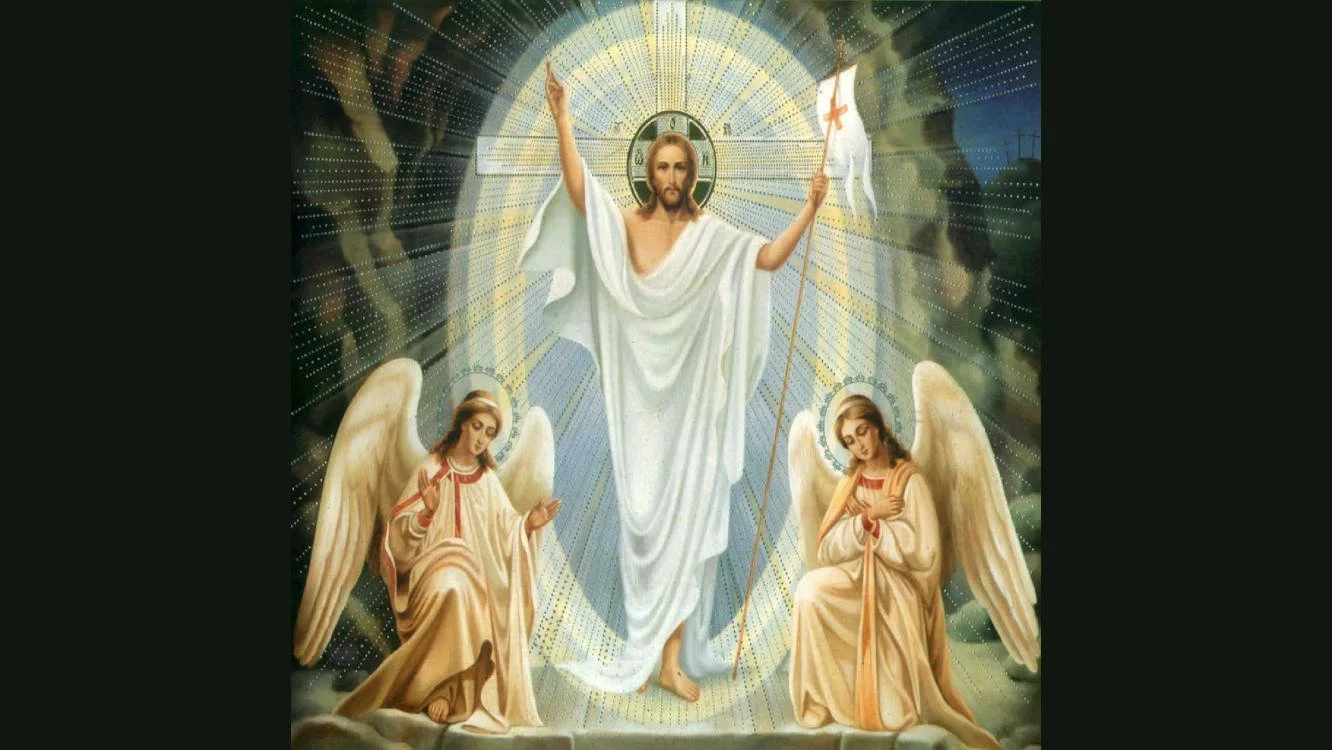
The Resurrection of Christ: Further Along the Road to Emmaus
What are we to understand when we speak of the Resurrection of Jesus? Ancient Scriptures and interpretations from a brilliant theologian-pope provide amazing clues.
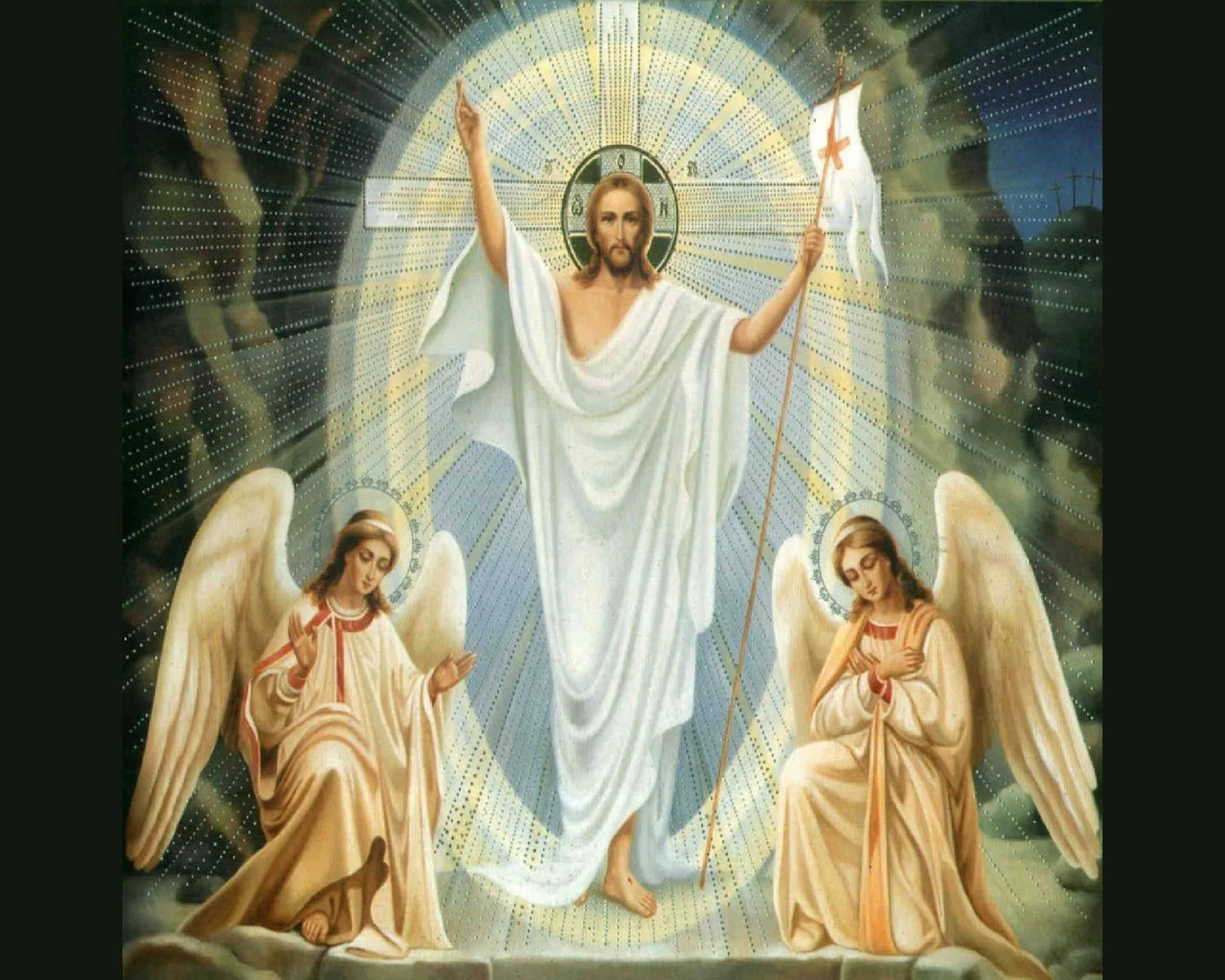
What are we to understand when we speak of the Resurrection of Jesus? Ancient Scriptures and interpretations from a brilliant theologian-pope provide amazing clues.
April 8, 2026 within the Octave of Easter
by Father Gordon MacRae with theological assistance from Pope Benedict XVI
Note: The following is Part 2 of our Holy Week post, “The Darkness of the Cross Enlightened on the Road to Emmaus.”
In the above captioned post, we left you on the Road to Emmaus. Jesus of Nazareth had been accused of blasphemy by the Jewish Sanhedrin. He was handed over to the Roman Governor Pontius Pilate for judgment. He was placed on trial, convicted, mercilessly scourged and then crucified. Those who followed and believed in him were devastated and lost. Some had hoped to find in him the manifestation of the Kingdom of God. Some hoped for a messianic end to the tyranny of Rome and its occupation of Judea. Others hoped for redemption. All were left demoralized. All had come to ruin. This is where we left you on the Road to Emmaus.
Some of the disciples of Jesus remained in Jerusalem in hiding. Others left, believing that all hope had come to an end. This includes the two who encountered a stranger on the Road to Emmaus about seven miles down that road from Jerusalem. One of them, Cleopas, and his fellow traveler, disciples of Jesus both, were among those who had hoped that Jesus would ultimately reign as a king in Jerusalem and rescue their nation from the oppression of Rome. Jesus, after hearing of their plight, while still disguised from their sight, challenged them: “O foolish men, and slow of heart to believe all that the prophets have spoken. Was it not necessary that the Christ should suffer these things and enter into his glory? Then beginning with Moses and all the prophets, he interpreted to them all the Scriptures concerning himself.” (Luke 24:25-27)
That Christ should suffer is a mystery foretold in the Old Testament according to Acts 3:18. On the Road to Emmaus Jesus gives to the two fleeing disciples an overview of Salvation History from the Hebrew Scriptures. His entire life was foreordained in Scripture, his birth, his earthly ministry, his death and his Resurrection.
Having come to the village in which they intended to stay, while the stranger intended to go further on, the two disciples asked him to remain with them saying “Stay with us, for it is toward evening and the day is now far spent.” While they were at table in that village the stranger took bread and blessed and broke it and gave it to them recalling the sequence of his actions at the Last Supper. Immediately their eyes were opened and they recognized him in the breaking of the bread. Then he vanished from their sight.
“Did not our hearts burn within us as he spoke to us on the road while he opened to us the Scriptures?”
— Luke 24:32
They immediately abandoned their flight from Jerusalem and returned as quickly as they could. They found the Eleven, the Apostles, gathered together along with other disciples who remained. Some of the Eleven declared to them what the others in the room had already heard with great excitement, “The Lord has risen indeed, and has appeared to Simon!” Then they told of what happened on the road, and of how Jesus was made known to them in the breaking of the bread.
The disciples became animated as the horror of the Crucifixion was slowly transformed into this newfound hope of the Resurrection as the appearances of Christ multiplied. They had no expectation or notion of what this meant. Coming down from the mountain after their experience of the Transfiguration (Mark 9:2-13), Jesus cautioned them to tell no one what they had seen or heard. “So they kept the matter to themselves while wondering what rising from the dead meant.” The disciples did not know, and could find out only by encountering the reality of it. So what exactly did the Resurrection of Christ mean? For my answer to this, I count heavily on the view of one of the most accomplished Catholic theologians of our time, Joseph Ratzinger, who became Pope Benedict XVI.
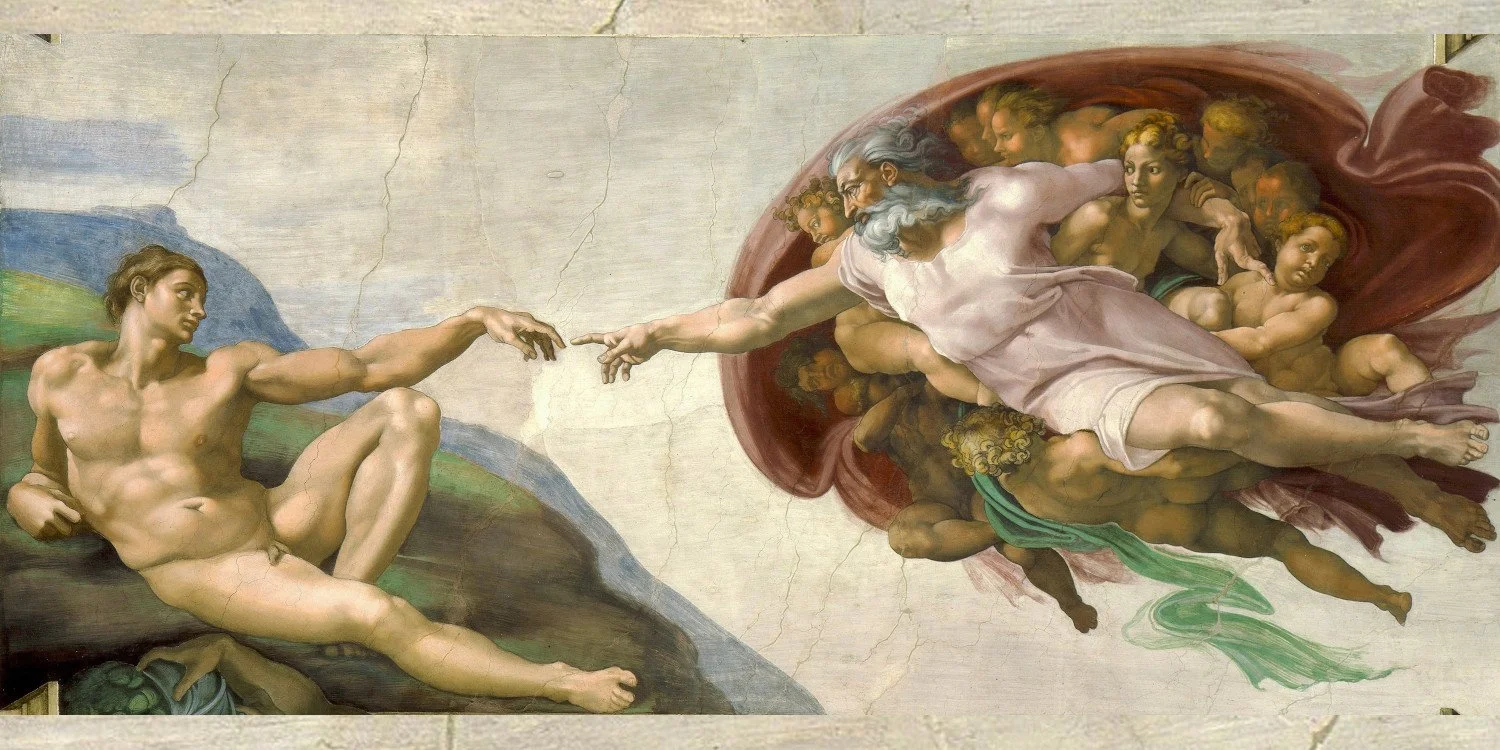
An Evolutionary Leap
“ ‘If Christ has not been raised, then our preaching is in vain and your faith is in vain. We are even found to be misrepresenting God, because we testified that he raised Christ’ (1 Corinthians 15:14-15). With these words to the community of Corinth, Saint Paul explains drastically what faith in the Resurrection of Jesus Christ means for the Christian message. It is its very foundation. Our faith stands or falls on the truth of the testimony that Christ is risen from the dead.”
— Pope Benedict XVI, Jesus of Nazareth, Vol 2: Holy Week, p241
Our answer to the question of the Resurrection will determine whether Jesus merely was in history or also still is. This is a most important question. So what actually happened to Jesus? For the witnesses who encountered the Risen Lord in Scripture, it is hard to say because for the most part they did not fully understand this new reality about Christ. There are multiple “resurrection” stories in the New Testament. Luke (11:17) tells us of the raising of the son of the widow of Nain. Mark (5:22-24, 35-43) tells of the raising of the daughter of Jairus. John (11:1-44) famously relates the raising of Lazarus.
What happened to Jesus is entirely different from these. His Resurrection was not merely the miracle of a resuscitated corpse. We have all heard stories of people brought medically back from the brink in near-death experiences. What the Gospel relates about Christ is very different from any of those accounts. The Resurrection of Jesus was about breaking out into an entirely new form of life, a life that is no longer subject to the law of dying and becoming, but rather lies beyond it. The Resurrection of Jesus opens up a new dimension not only of his existence, but also of ours.
Reading these conclusions from Pope Benedict XVI in Jesus of Nazareth, his masterwork of theological exegesis, almost seems like science fiction, but it is neither science nor fiction. It is not a newly written script for an episode fo Startrek: The Next Generation. It is rather an account seeking understanding that has always been at our fingertips. Benedict XVI cautioned that this opens up an analogy that could be easily misunderstood, but delving into it is a necessity of salvific truth and faith. The Resurrection of Christ constitutes an “evolutionary leap,” a new possibility of human existence that affects everyone and that opens up a new kind of future for humanity.
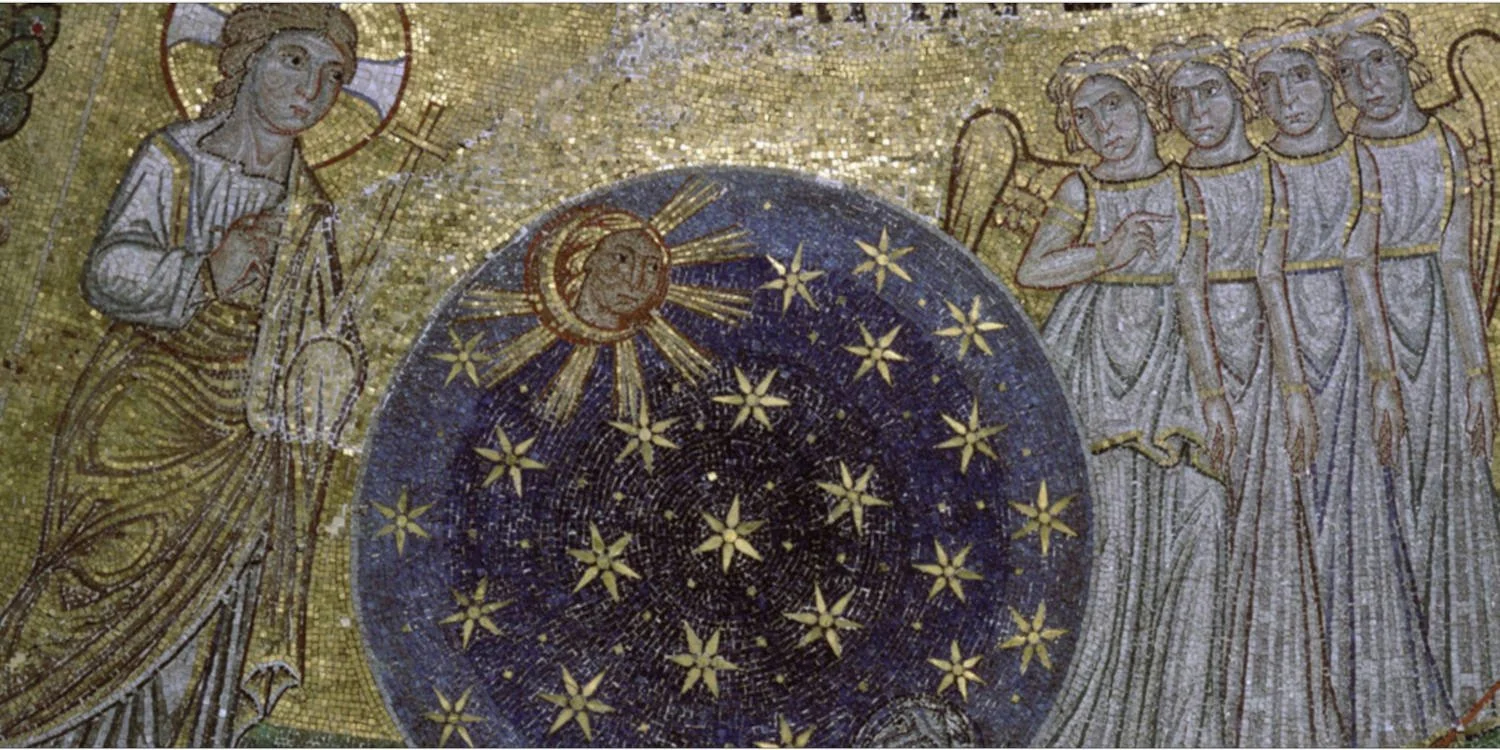
The Cosmic Body of Christ
On the basis of all this biblical evidence, what are we now in a position to say about the true nature of Christ’s Resurrection? Pope Benedict presents it as something akin to a radical “evolutionary leap” in which a new dimension of life emerges, a new dimension of human existence.
This is what is meant by those passages in Saint Paul’s letters written from prison (Colossians 1:12-23 and Ephesians 1:3-23) that hint at the cosmic Body of Christ, indicating that Christ’s transformed (Resurrected) body oversteps the boundaries of what we are able to conceive. Here is an example:
“He has delivered us from the dominion of darkness and transferred us to the kingdom of his beloved Son … . He is the image of the invisible God, the firstborn of all creation, for in him all things were created, in heaven and on earth, visible and invisible, whether thrones or dominions or principalities or authorities — all things were created through him and for him. He is before all things, and in him all things hold together. He is the head of the body, the Church; he is the beginning, the firstborn from the dead, that in everything he might be pre-eminent. For in him all the fulness of God is pleased to dwell, and through him to reconcile to himself all things, whether on earth or in heaven, making peace by the blood of his Cross.
— Colossians 1:13-20
The Resurrection of Jesus points far beyond history but has left a footprint within human history that was attested to by witnesses as an event of unprecedented kind and importance.
This man Jesus, complete with his body, now belongs totally to the sphere of the divine and eternal. The evidence in the Gospel is clear. The Resurrected Jesus can walk among us. He shows the Doubting Apostle, Saint Thomas, the wounds in his hands and side. He lets Thomas probe those wounds that are now for eternity a part of him, accepted on our behalf.
From here on, in both spirit and body, Jesus has a place within God. Even if man by his nature is created for immortality, it is only by virtue of the Resurrection of Christ that the place exists for our immortal souls to find their “space” in which immortality takes on its meaning as communion with God. This is hinted at in a mysterious passage from Saint Paul’s Letter to the Colossians written from prison. It was the Second Reading for our Easter Sunday Mass this year. I, too, have written some things from prison that press against the boundaries of easy understanding, but I do not hold a candle to Saint Paul:
“If then you have been raised with Christ, seek the things that are above where Christ is at the right hand of God. Set your minds on things that are above, not on things that are on earth. For you have died, and your life is hidden with Christ in God.”
— Colossians 3:1-3
+ + +
Note from Father Gordon MacRae: Thank you for reading and sharing this post. It is unclear whether I have shed any light at all on the mystery of the Resurrection of Jesus. But it is most clear to me now that the Resurrection of Christ sheds light on us as we stand in God’s Presence.
You may also like these related posts from Beyond These Stone Walls:
The Darkness of the Cross Enlightened on the Road to Emmaus
The Apostle Falls: Simon Peter Denies Christ

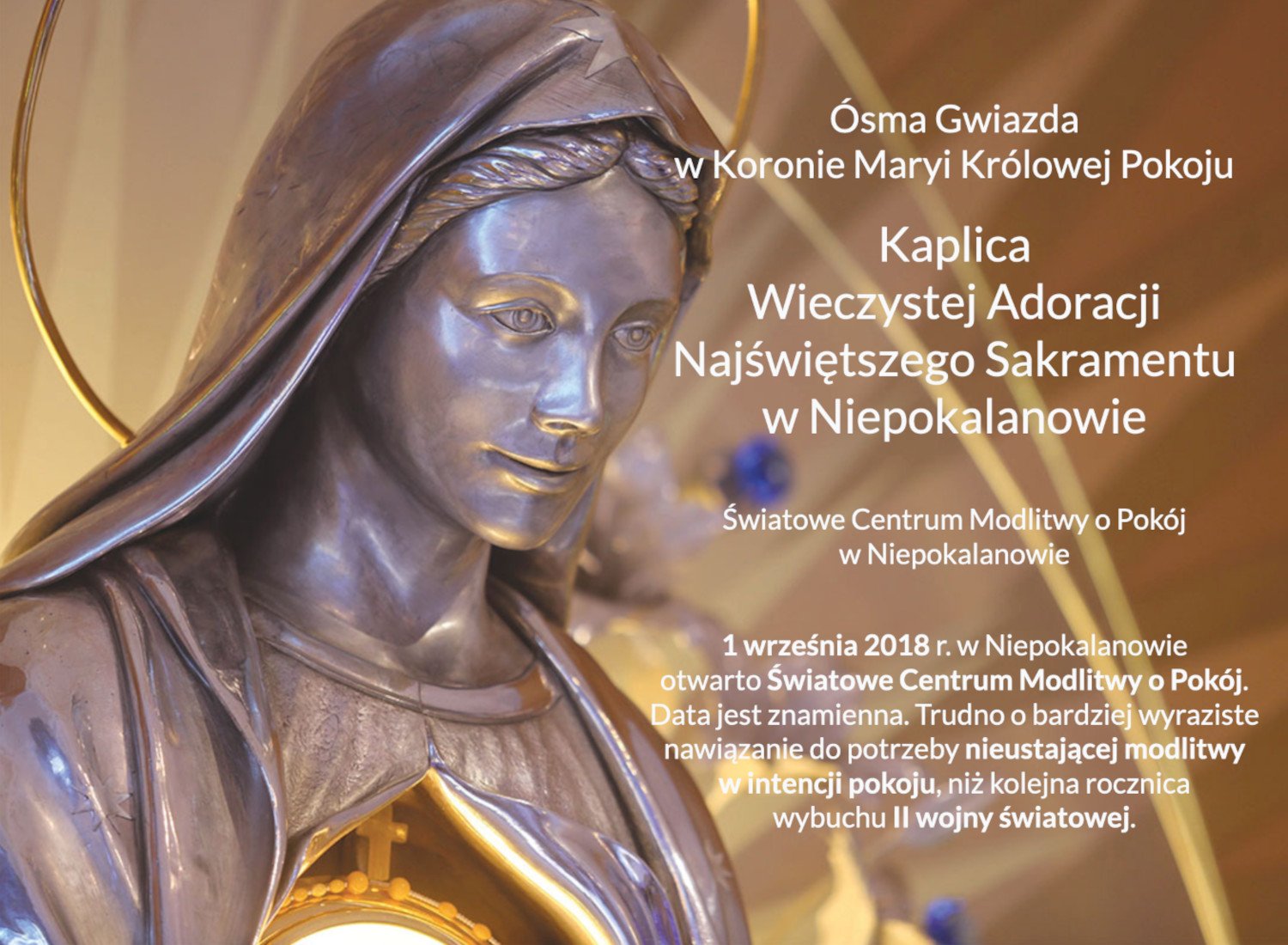

The Eucharistic Adoration Chapel established by Saint Maximilian Kolbe was inaugurated at the outbreak of World War II. It was restored as a Chapel of Adoration in September, 2018, the commemoration of the date that the war began. It is now part of the World Center of Prayer for Peace. The live internet feed of the Adoration Chapel at Niepokalanow — sponsored by EWTN — was established just a few weeks before we discovered it and began to include in at Beyond These Stone Walls. Click “Watch on YouTube” in the lower left corner to see how many people around the world are present there with you. The number appears below the symbol for EWTN.
Click or tap here to proceed to the Adoration Chapel.
The following is a translation from the Polish in the image above: “Eighth Star in the Crown of Mary Queen of Peace” “Chapel of Perpetual Adoration of the Blessed Sacrament at Niepokalanow. World Center of Prayer for Peace.” “On September 1, 2018, the World Center of Prayer for Peace in Niepokalanow was opened. It would be difficult to find a more expressive reference to the need for constant prayer for peace than the anniversary of the outbreak of World War II.”
For the Catholic theology behind this image, visit my post, “The Ark of the Covenant and the Mother of God.”
Covenants of God from Genesis to the Book of Revelation
A Covenant is a kinship bond between two parties. It is the master-theme of Salvation History in which God draws believers into a family relationship with Himself.
A Covenant is a kinship bond between two parties. It is the master-theme of Salvation History in which God draws believers into a family relationship with Himself.
January 28, 2026 by Father Gordon MacRae
“Testament” is the name given to the two principal divisions of the Christian Bible. It is derived from the Latin, “testamentum,” translated from the biblical Greek term, “diathēkē,” which is more properly translated as “Covenant.” In fact, the traditional designations of the biblical “Old Testament” and “New Testament” were inspired by Saint Paul’s distinction between the Old Covenant and the New Covenant in 2 Corinthians 3:6,14:
“Our sufficiency is from God who has qualified us to be ministers of a New Covenant, not in written code but in the Spirit; for the written code kills, but the Spirit gives life … not like Moses who put a veil over his face so that the Israelites might not see the end of the fading splendor.”
This cryptic verse from Saint Paul requires some deeper analysis. I touched on it once in my post, “A Vision on Mount Tabor: The Transfiguration of Christ.”
Peter had just declared at Caesarea Philippi that Jesus is the Christ (Luke 9:18-22). As though to demonstrate the truth of that declaration, the face of Jesus shone momentarily like the sun. The story recalled for Hebrew hearers of the Gospel the account of Moses at Mount Sinai as he received the Decalogue, the Ten Commandments (Exodus 20:1-17). Being in the presence of the Lord caused the face of Moses to shine brilliantly causing Aaron and other Israelites to fear approaching him. Moses then placed a veil over his face.
Some 3,000 years later, Saint Paul interpreted this as a sign that the Sinai Covenant is destined to fade so that the New Covenant in Christ may fulfill it. I will address this in the Sinai Covenant below. The point Saint Paul makes is that the glory of Jesus in the Transfiguration does not look back upon the Sinai Covenant for meaning, but rather the other way around. It is a statement from Saint Paul that the Old Covenant looks forward, and points us looking forward to the New. The Gospel of Matthew Transfiguration account gives symbolic witness to this (Matthew 17:8): On Mount Tabor, “When they lifted up their eyes, they saw no one but Jesus only.” Saint Augustine in the Fifth Century offered a summation of the meaning of this passage: “The New Testament lies hidden in the Old and the Old Testament is unveiled in the New.”
In his brilliant “Overview of Salvation History,” an introductory essay in the Ignatius Catholic Study Bible, John S. Bergsma, PhD, identifies something interesting and unique in Catholic spiritual tradition. It is the concept of “Divine filiation,” the notion, unique in religion, that elevates us as sons and daughters of God by adoption.
In Islam it is considered blasphemy to claim to be a child of God. In Judaism of the Old Covenant it is but a metaphor, not meant literally, but figuratively and symbolically. In Classical Buddhism it is simply irrelevant because individual personhood is itself an illusion remedied, for the Buddhist believer, by cycles of reincarnation.
Only Christianity holds that we become — literally become — sons and daughters of God the Creator, our Father and the source of all fatherhood. This is identified in Saint Paul’s Letter to the Ephesians (3:15):
“For this reason I bend my knees before the Father from whom every family in Heaven and on Earth is named.”
“Abba, Father” is an Aramaic and English term that occurs three times in the New Testament. The first time (Mark 14:36) quotes Jesus directly:
“Abba, Father, all things are possible to you; remove this chalice from me; yet not what I will, but what you will.”
The term was then reiterated by Saint Paul (Romans 8:15 and Galatians 4:6). “Abba” is an Aramaic term that reveals an especially familiar bond between father and child. Aramaic, closely related to Hebrew, was the common language in the Near East from about 700 BC to 600 AD. Each time “Abba” was used in the New Testament it was paired with the Greek equivalent of “Father.” This gave us the English translation, “Abba, Father” denoting the connection with Jesus as children of God.
After the fall of man, the only remedy for broken Covenants was for God to adopt us, and for us to strive to live up to that adoption. We strive still.
The Covenants of Adam, Noah, and Abraham
The people of Israel were also unique in ancient Near Eastern religion in their belief that God had established a Covenant relationship with them and with their ancestors. In the Catholic Bible Dictionary (Doubleday 2009) a companion volume to the Ignatius Catholic Study Bible, Dr. Scott Hahn identifies a sequence of Covenants found in the biblical text. There are six of them, each built upon the preceding one. Together they account for all of Salvation History. They are identified through the mediation of different individuals: Adam, Noah, Abraham, Moses, David, and then ultimately, in the Covenant that fulfills them all, Jesus Christ.
In the Creation Covenant mediated by Adam, creation culminates on the Sabath, which is the sign of a Covenant elsewhere in Scripture (Exodus 31:12-17). The term used for the making of the Covenant with Noah is not the usual one for Covenant initiation (in Hebrew, kārat), but rather a term indicating the renewal of a pre-existing Covenant (in Hebrew, hēqim).
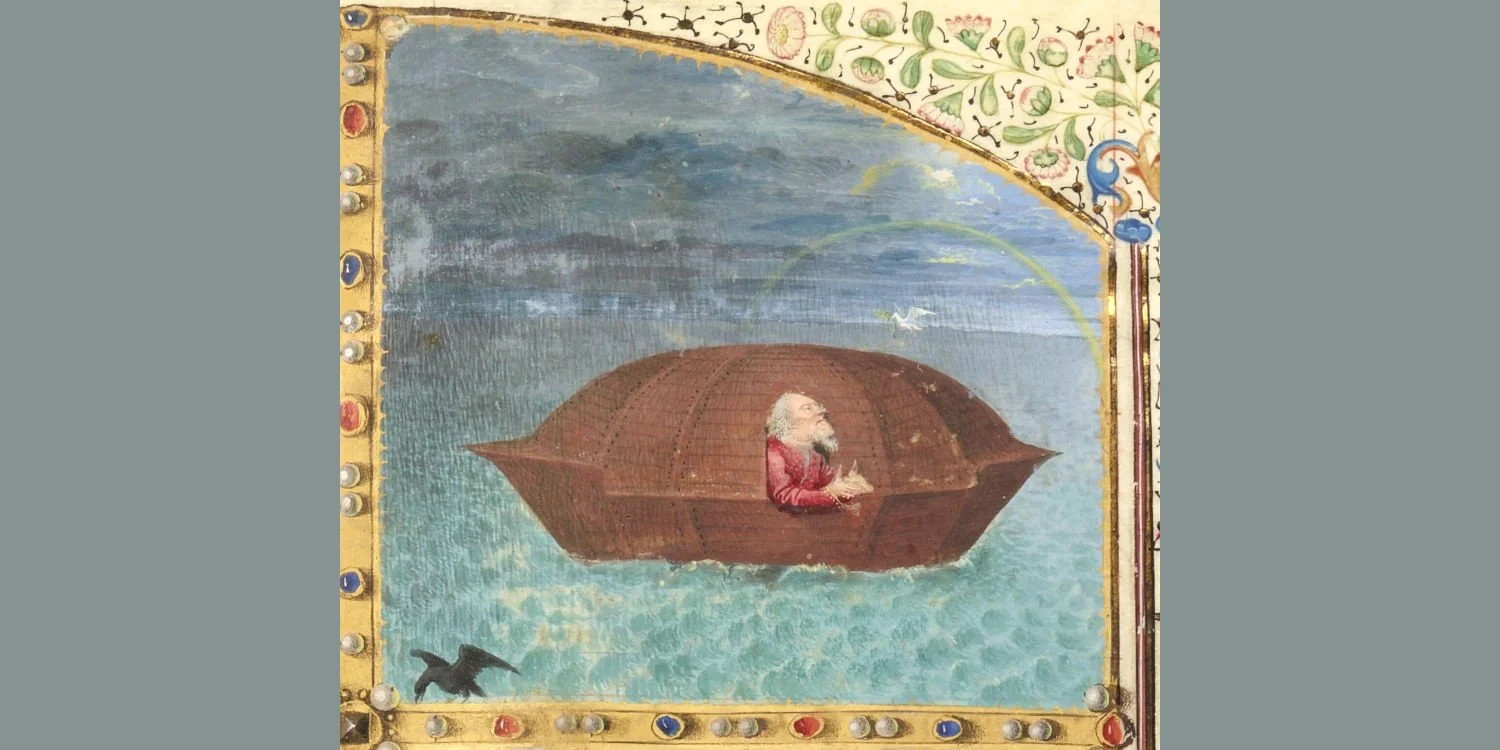
The five Covenants before Jesus end in varying degrees of failure or success. The Covenant with Adam collapses upon the revelation of his disobedience. Having eaten from the Tree of Knowledge of Good and Evil in disobedience to the directive of God, the Covenant collapses as Adam is cast out from Eden. Many generations later God establishes a new Covenant with Noah. In an act of both judgement and re-creation God again plunges the world under the primordial waters described in Genesis 1:2. God saves the righteous man, Noah and his family along with pairs of every animal and creature in an ark. As the water receded, the ark came to rest on Mount Ararat. Noah, a new Adam figure, emerges from the ark and performs the priestly act of offering sacrifice (Genesis 8:20). God renews the previous Covenant repeating the blessings originally given to Adam. According to John S. Bergsma, PhD, in his “Overview of Salvation History,” “sin has left a lasting wound,” and disharmony between man and nature. But the filial relationship of man in Covenant with God does not last long. Noah betrays his priestly-patriarcal role. He becomes drunk and lies naked in his tent (Genesis 9:21). His son Ham, in an enigmatic deed described in Genesis as seeing “the nakedness of his father” (Genesis 9:22) causes Noah to curse Ham’s descendents through his son Canaan (Genesis 9:25). The phrase, “seeing the nakedness of his father,” is widely seen as a euphemism for an incestuous encounter between Noah’s son Ham and the wife of Noah. So where the Covenant with Adam was marred by disobedience, the Covenant with Noah was marred by perversion.
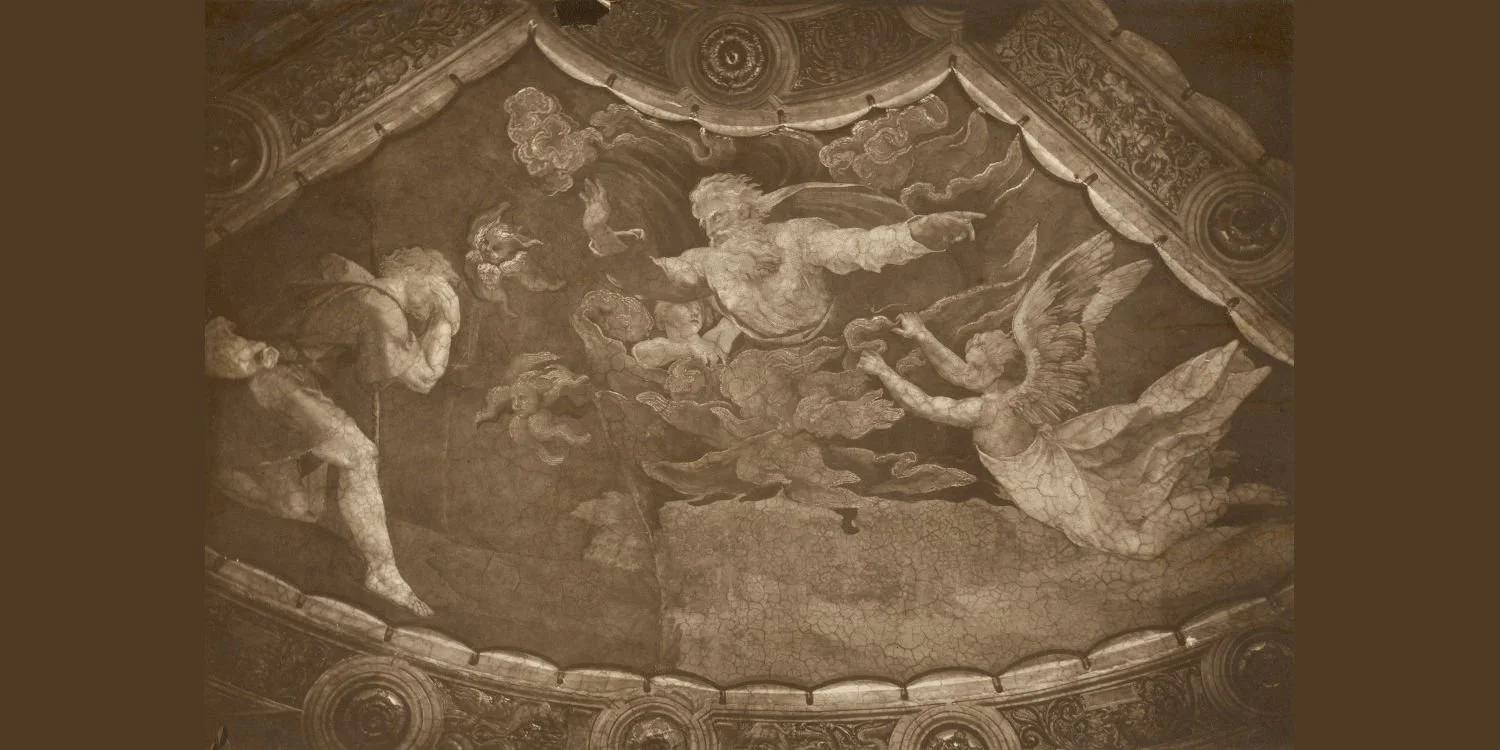
Many generations pass through the next three chapters of Genesis when, in Genesis 12:3, God bestows upon Abram the promises of a great nation, a great name, and universal blessing upon mankind. God incorporated these promises into a formal Covenant. Then God bestowed upon Abram a greater name, “Abraham” (Genesis 17:5). This Covenant becomes subjected to the ultimate test of loyalty: that Abraham should offer his beloved son Isaac in sacrifice to God (Genesis 22:2). I explored this account in detail in “Behold the Lamb of God Upon the Altar of Mount Moriah.”
An Angel of the Lord stayed Abraham’s hand and pointed to a ram in the thicket, which became the substitute sacrifice for Isaac just as 2,000 years later, Jesus became the substitute sacrifice for us.
The Covenants of Moses, David, and Jesus
Unlike the aftermath of the Covenants with Adam and Noah, the Covenant with Abraham did not collapse under a catastrophic fall. Even though the Covenant is complicated by the sins of his descendants, God fulfills his promise to Abraham, but Abraham’s lineage ends up in Egypt.
Generations passed. Abraham’s descendant, Joseph, one of the sons of the Patriarch Jacob, was betrayed by his own brothers and sold into slavery in Egypt. Thus, centuries later, Israel became a nation in bondage in Egypt until Moses led the Israelites out of captivity to the Promised Land. God called upon Moses from a burning bush on Mount Horeb (Exodus 3:6, 10). God identified himself as “The God of your fathers, the God of Abraham, the God of Isaac, the God of Jacob. Come, I will send you to Pharaoh that you may bring forth my people, the sons of Israel, out of Egypt.”
Once the children of Israel were released from bondage, Moses led them to Mount Sinai where the Lord established a national Covenant — the Decalogue, the Ten Commandments. No sooner than the Sinai Covenant had been established, however, it was broken. Some Israelites were enticed at Mount Sinai into worship of a golden calf, an icon of an Egyptian deity. Moses expelled them and then Israel was subjected to wandering in the desert as penance. Moses is mentioned more in the New Covenant (the New Testament) than any other Old Testament figure.
Centuries later, around 1,000 BC, King David arose in Salvation History. He descended from the tribe of Judah and is introduced in Scripture as a young shepherd in Bethlehem, which came to be known in our Nativity accounts as the “City of David.” David was a gifted poet and musician. He composed many of the psalms in the Hebrew Bible setting some of them to music. He was also a warrior known to history as having slain the giant Philistine warrior, Goliath (1 Samuel 17:48).
The Prophet Samuel annointed David as King over Israel, “and the Spirit of the Lord came mightly upon David from that day forward (1 Samuel 16:13).” Like a New Adam, David also functioned as a priest and a prophet while Israel expanded to become an empire.
Under the reign of David’s son, Solomon, Israel became a great military power in the Ancient World. His greatest accomplishment was the building of the Temple in Jerusalem and the Ark of the Covenant, which I described in these pages in “The Ark of the Covenant and the Mother of God.”
The terms of Davidic Covenant are layed out in 2 Samuel 7. The elements of the Davidic Covenant include Nathan’s oracle (2 Samuel 7:8-16) about David’s intention to build a sanctuary for Yahweh.
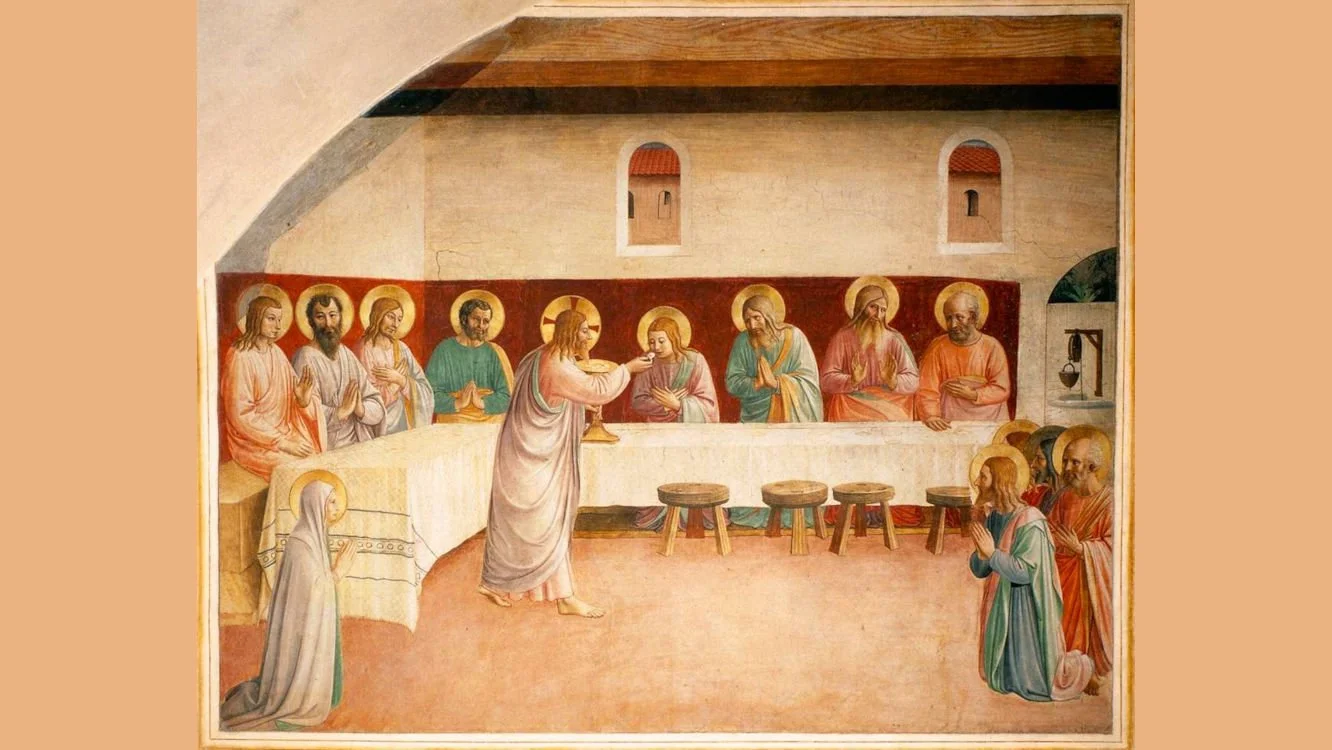
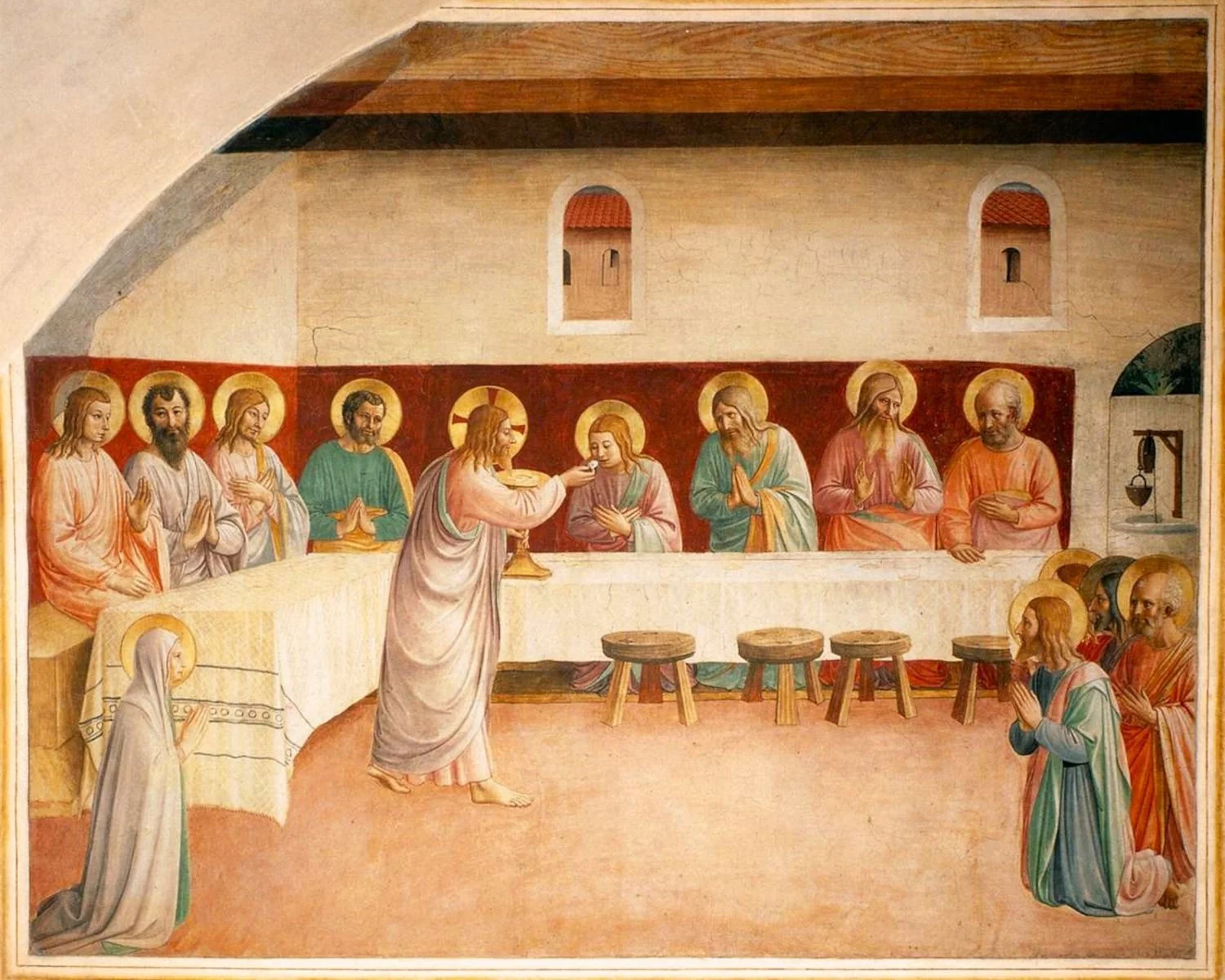
The New Covenant Gospels, especially Matthew and Luke, depict Jesus as the heir of David and the one to restore the Davidic Covenant. God’s Covenant with Jesus was the Institution of the Eucharist at the Last Supper. Jesus identifies his own body and blood as the sacrificial elements of this New Covenant.
This was something entirely new in the Bible and in Salvation History. Jesus did not simply make a Covenant, but rather “became” a Covenant, a living bridge linking us to God. It was, and is, the fulfillment of all of Salvation History.
+ + +
Note from Father Gordon MacRae: Thank you for reading and sharing this post. It will be added to our collection of special Scripture posts about Salvation History.
You may also like these related posts from Beyond These Stone Walls:
A Vision on Mount Tabor: The Transfiguration of Christ
Behold the Lamb of God Upon the Altar of Mount Moriah
The Ark of the Covenant and the Mother of God
On the Great Biblical Adventure, the Truth Will Make You Free
+ + +
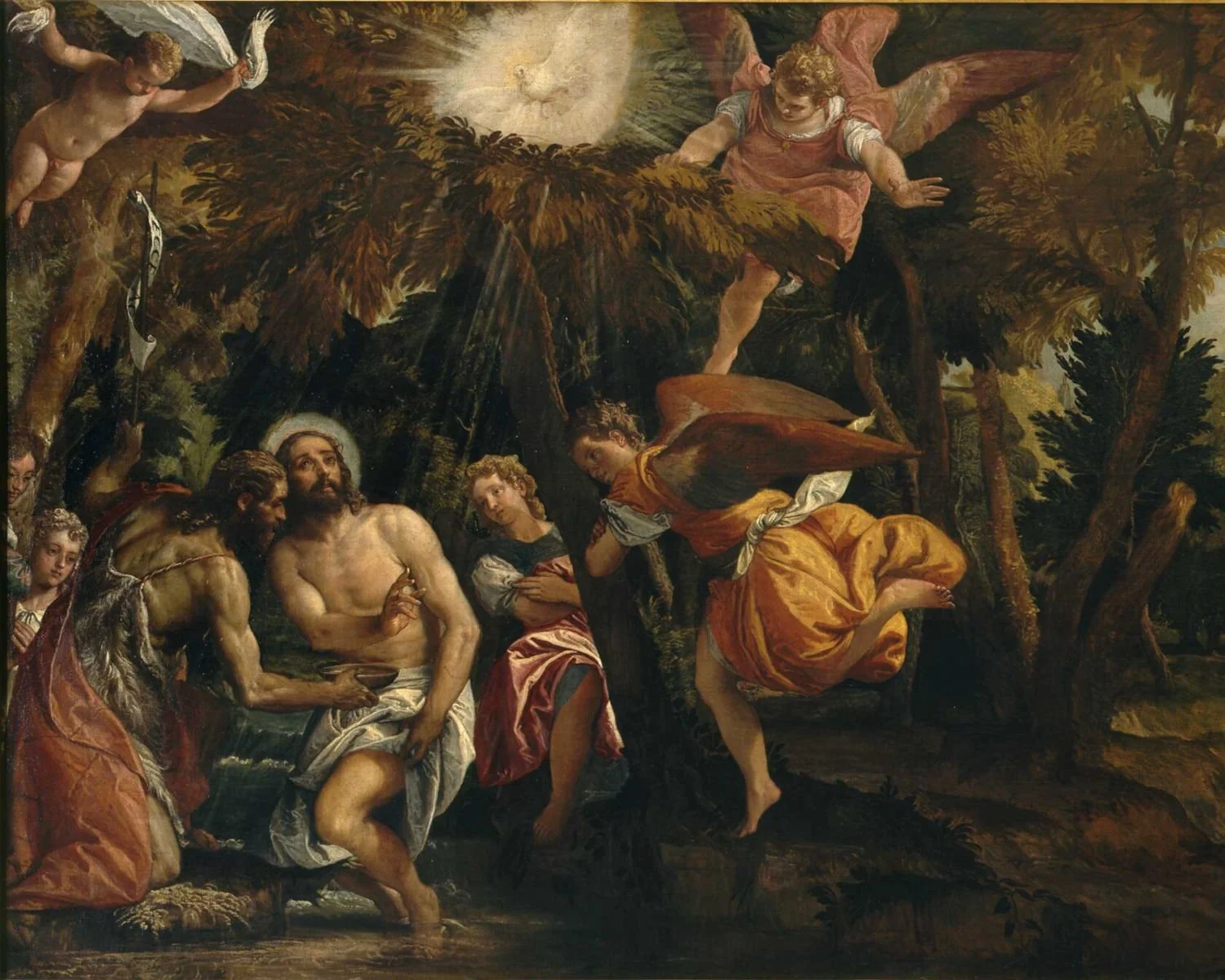
“This is my beloved Son on whom my favor rests.”
The Eucharistic Adoration Chapel established by Saint Maximilian Kolbe was inaugurated at the outbreak of World War II. It was restored as a Chapel of Adoration in September, 2018, the commemoration of the date that the war began. It is now part of the World Center of Prayer for Peace. The live internet feed of the Adoration Chapel at Niepokalanow — sponsored by EWTN — was established just a few weeks before we discovered it and began to include in at Beyond These Stone Walls. Click “Watch on YouTube” in the lower left corner to see how many people around the world are present there with you. The number appears below the symbol for EWTN.
Click or tap here to proceed to the Adoration Chapel.
The following is a translation from the Polish in the image above: “Eighth Star in the Crown of Mary Queen of Peace” “Chapel of Perpetual Adoration of the Blessed Sacrament at Niepokalanow. World Center of Prayer for Peace.” “On September 1, 2018, the World Center of Prayer for Peace in Niepokalanow was opened. It would be difficult to find a more expressive reference to the need for constant prayer for peace than the anniversary of the outbreak of World War II.”
For the Catholic theology behind this image, visit my post, “The Ark of the Covenant and the Mother of God.”