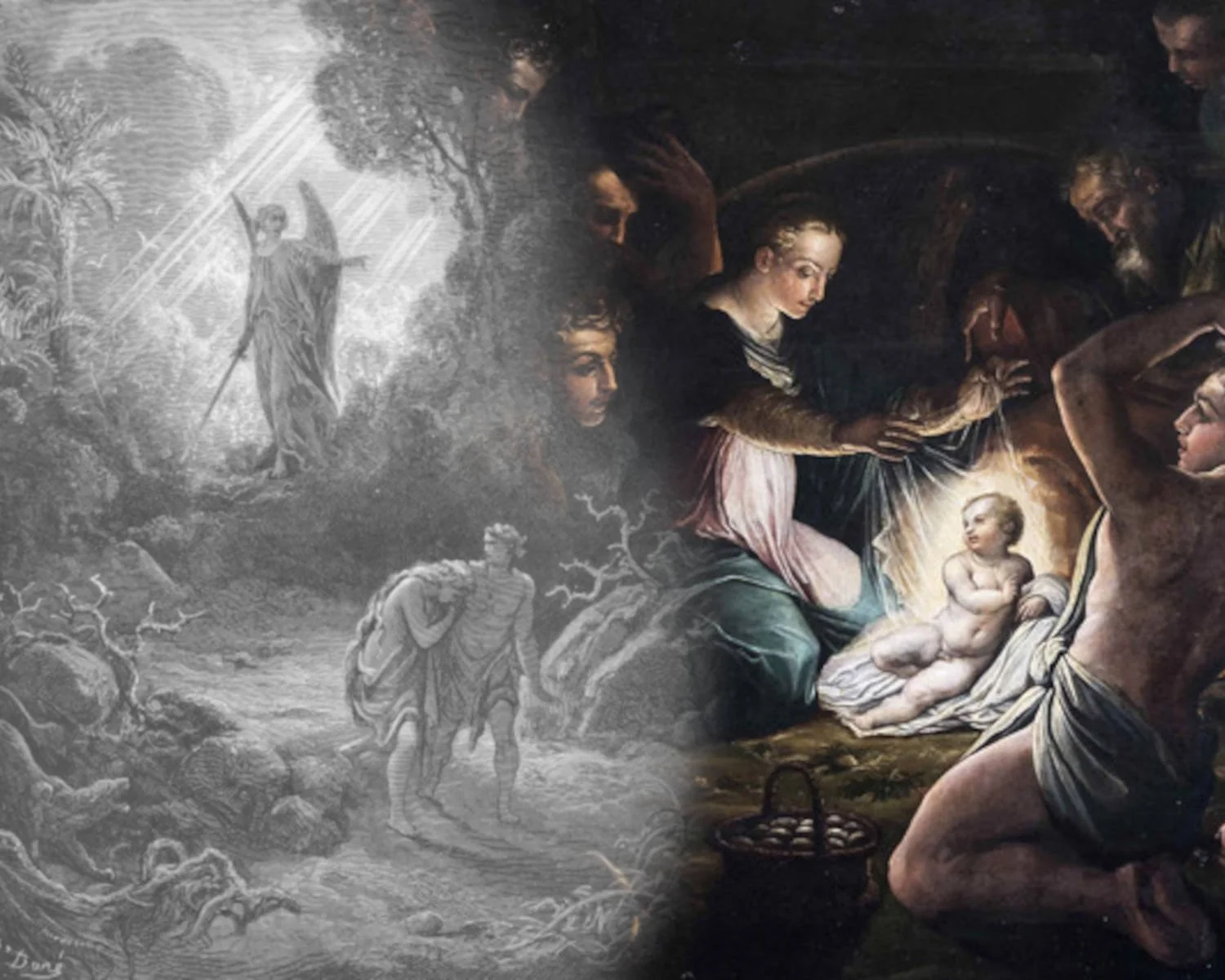
The Genesis story of the Fall of Man is mirrored in the Nativity. Unlike Adam at the Tree of Knowledge, Jesus did not deem equality with God a thing to be grasped.
December 17, 2025 by Father Gordon MacRae
Back in 2014, one of our readers sent me an article that appeared inCrisis Magazine, “Who will Rescue the Lost Sheep of the Lonely Revolution?” by the outstanding writer, Anthony Esolen. It is an admonitory parable about the lost sheep of the Gospel and the once-dead prodigal son of another parable. What exactly did Jesus mean by “lost” and “dead”?
Mr. Esolen raises questions about controversies I had been taking up in previous weeks, perhaps most notably in “Synodality Blues: Pope Francis in a Time of Heresy.” Some of my posts then had a focus on the Parable of the Prodigal Son, so central to the Gospel, but Esolen makes a point missing from the Synod debate:
“That is why you came among us, to call sinners back to the fold. Not to pet and stroke them for being sinners, because that is what you mean by ‘lost,’ and what you mean by ‘dead’ when you ask us to consider the young man who had wandered into the far country. The father in your parable wanted his son alive, not dead.”
In over thirty years in prison, I have seen firsthand the fall of man and its effects on the lives of the lost. No good father serves them by inviting them home then leaving them lost, or worse, dead; deadened to the Spirit calling them out of the dark wood of error. Mr. Esolen has seen this too:
“…you say your hearts beat warmly for the poor. Prisoners are poor to the point of invisibility… Go and find out what the Lonely Revolution has done to them. Well may you plead for cleaner cells and better food for prisoners, and more merciful punishment. Why do you not plead for cleaner lives and better nourishment for their souls when they are young, before the doors of the prison shut upon them? Who speaks for them?”
Here in prison, writing from the East of Eden, I live alongside the daily consequences of the Fall of Man. It will take more than a Synod on the Family to see the panoramic view I now see. Anthony Esolen challenges our shepherds: “Venturing forth into the margins, my leaders?… [Then] leave your parlors and come to the sheepfold.”
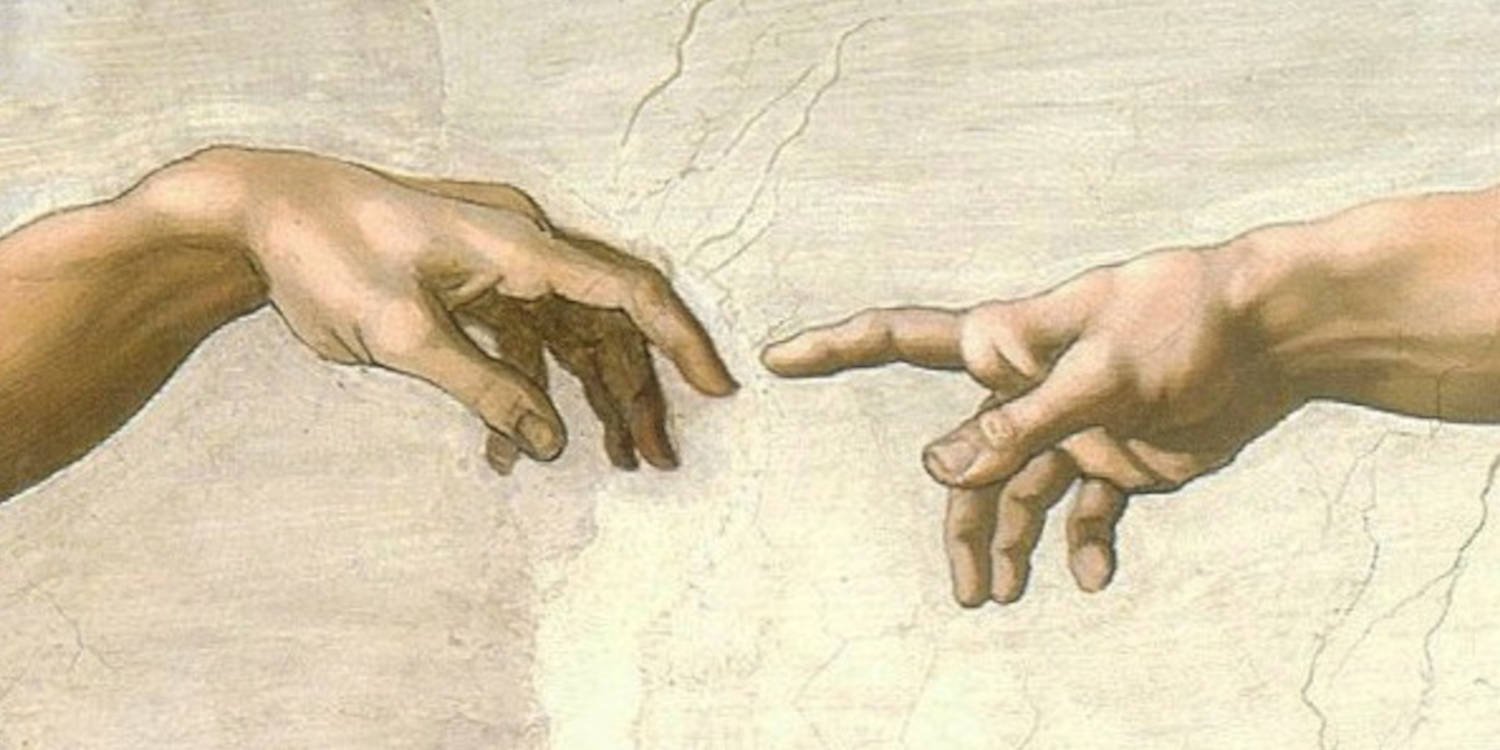
In the Image and Likeness of God
Adrift in synodal controversy, we might do well this Advent to ponder the Genesis story of Creation and the Fall of Adam. I found some fascinating things there when I took a good long look. The story of Adam is filled with metaphor and meaning that frames all that comes after it in the story of God’s intervention with Salvation History.
Accounts of man created from the earth were common in Ancient Near Eastern texts that preceded the Book of Genesis. The Hebrew name for the first human is “ha-Adam” while the Hebrew for “made from earth” is “ha-Adama” which some have interpreted as “man from earth.” Thus Adam does not technically have a name in the Genesis account. It is simply “man.” His actions are on behalf of all.
As common as the story of man from the earth was in the texts of Ancient Near Eastern lore, the Biblical version has something found nowhere else. In Genesis (2:7) God formed man from the ground “and breathed into his nostrils the breath of life.” And not only life, but soul, life in the image and likeness of God. The Breath of God, or the Winds of God, is an element repeated in Sacred Scripture in a pattern I once described in an article entitled “Inherit the Wind.” To save you some time, we just discovered this AI overview of it:
“Inherit the Wind: Pentecost and the Breath of God” refers to a theological theme, particularly from writer, Father Gordon MacRae, connecting the biblical concept of “inheriting the wind” (Proverbs 11:29, meaning futility/foolishness) with Pentecost, where the Holy Spirit arrives as wind (Ruah in Hebrew) and breath, bringing life, understanding, and new creation, contrasting worldly futility with spiritual fulfillment. It uses “wind” (a symbol of God’s Spirit) to explore how believers receive divine life, moving beyond empty pursuits to a deeper, shared faith, just as the Apostles understood each other’s languages at Pentecost.
The title, “Inherit the Wind: Pentecost and the Breath of God” draws a parallel between the empty “inheritance” of the world (wind) and the profound gift of the Spirit (wind/breath) at Pentecost, which brings true substance and unity.
It signifies that instead of pursuing futile worldly gains (“inheriting the wind”), believers receive God’s Spirit, which transforms them into new creations and empowers them to share the Gospel, effectively reversing the confusion of Babel.
Back to our Genesis account: God will set the man from earth in Eden. Then in the following verse in Genesis (2:8) God establishes in Eden what would become the very instruments of man’s fall: the Tree of Knowledge of Good and Evil and the Tree of Life. So what exactly was Adam’s “Original Sin?”
When I wrote “Science and Faith and the Big Bang Theory of Creation” I delved into the deeper meaning of the first words in Scripture spoken by God, “Let there be light” (Genesis 1:3). Saint Augustine in the Fifth Century saw in that command the very moment God created the angelic realm, a sort of spiritual Big Bang. What is clear is that spiritual life was created first and the material world followed. For all we know — and, trust me, science knows no better — “Let there be light” was the spark that caused the Big Bang.
You might note that the creation of light preceded the creation of anything in the physical world that might generate light such as the Sun and the stars. Saint Augustine then considered the very next line in Genesis (1:4), “God separated the light from the darkness,” and saw in it the moment the angels fell and sin entered the cosmos. It was only then in the Genesis account that construction of the material universe got underway.
When God created a man from the earth, a precedent for “The Fall” had already taken place. God then took ha-adama, Adam, and commanded him (2:16) to eat freely of the bounty of Eden, “but of the Tree of Knowledge of Good and Evil you may not eat, for in the day you eat of it, you shall die.” Die not in the sense of physical death — for Adam lived on — but in the spiritual sense, the same sort of death from which the father of another famous parable receives his Prodigal Son. “Your brother was dead, and now he is alive” (Luke 15:32).
The Tree of Knowledge of Good and Evil is what is called a “merism” in Sacred Scripture. It acts as a set of bookends which include all the volumes in between. Another example of a merism is in Psalm 139:2, “You know when I sit and when I stand.” In other words, “you know everything about me.” The Tree of Knowledge, therefore, is access to the knowledge of God, and Adam’s grasping for it is the height of hubris, of pride, of self-serving disobedience.
In the end, Adam opts for disobedience when faced with an opportunity that serves his own interests. From the perspective of human hindsight, man was just being man. In an alternate creation account in Ezekiel (28:11-23), God said to the man:
“You corrupted your wisdom for the sake of splendor, and the guardian cherub drove you out.”
God’s clothing Adam and Eve — who is so named only after The Fall — before expelling them is a conciliatory gesture, an accommodation to their human limitations. Casting them out of Eden is not presented solely as God’s justice, but also God’s mercy to protect them from an even more catastrophic fall, “Lest he put forth his hand and take [grasp] also from the Tree of Life” (Genesis 3:22).
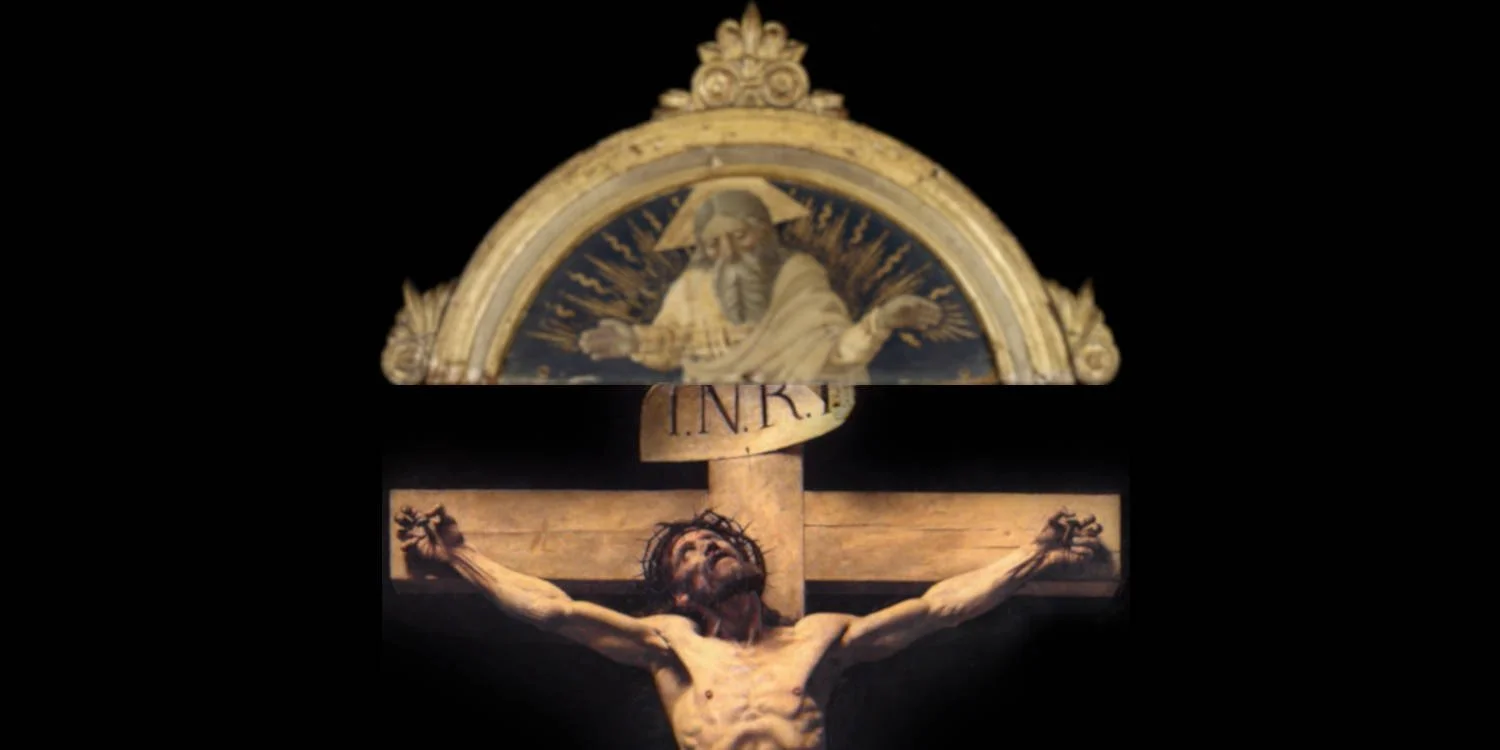
Jesus in the Form of God
The Church’s liturgy has always been conscious of the theological link between the fall of Adam and the birth of Christ. For evidence, look no further than the Mass Readings for the Solemnity of the Immaculate Conception. I also find a stunning reflection of the Eden story in a hymn from the very earliest Christian church — perhaps a liturgical hymn — with which Saint Paul demonstrates to the Church at Philippi the mission, purpose, and mind of Christ. “Let each of you look not only to his own interests, but also the interests of others. Have this mind among yourselves which was in Christ Jesus…”
“…Who though he was in the form of God did not deem equality with God a thing to be grasped at, but emptied himself, taking the form of a servant, being born in the likeness of men. And being found in human form he humbled himself and became obedient unto death, even death on a cross. Therefore God has highly exalted him and bestowed upon him the name which is above every other name, that at the name of Jesus every knee should bend, in heaven and on earth and under the earth, and every tongue proclaim to the glory of God the Father: Jesus Christ is Lord.”
— Philippians 2:3-11
The two accounts above — the story of Adam fallen from the image and likeness of God and expelled from Eden, and the story of Jesus in the form of God “being born in the likeness of men” — reflect the classic dualism of Plato. A Greek philosopher in the 3rd and 4th Century B.C., the essence of Plato’s thought was his theory of image and form. Forms or universalities in the spiritual realm had imperfect reflections in the material world.
Hence, Adam is in the image of God, and falls, but Christ is in the form of God. The verses recounted by Saint Paul in Philippians point to something of cosmic consequence for the story of the Fall of Man. Man, made from the earth in the image of God grasps to be like God, and falls from grace at Eden. At Bethlehem, however, God Himself traces those steps in reverse. He comes to earth taking the image and likeness of man, and sacrifices Himself to end man’s spiritual death.
The late Pope Francis summoned us to extend our gaze to the peripheries of a broken world. It is a cautious enterprise in a self-righteous world in a fallen state. Without a clear mandate from the Holy Spirit, we could lose ourselves and our souls in such an effort. Anthony Esolen expresses the danger well in the Crisis article cited above:
“Who speaks for the penitent, trying to place his confidence in a Church that cuts his heart right out because she seems to take his sins less seriously than he does.”
We can bring no one to Christ that way, but the caution should not prevent the Church from her mission to reach into the ends of the earth, to save sinners, and not just revel with the self-proclaimed already saved. Ours is a mission extended to the fallen.
I have seen the Fall of Man — where I now live I see it all around me — and so had the Magi of the Gospel who came from the East to extend to Him their gifts. “Upon a Midnight Not so Clear, Some Wise Men from the East Appear” is my own favorite Christmas post, and one I hope you will read and share in the coming days.
They represent the known world. They came to bend their knee in the presence of Christ in the form of God born in the likeness of men at Bethlehem. Even my own aching, wounded knee must bend for that!
+ + +
Note from Father Gordon MacRae: Thank you for taking the time to prayerfully read and share this post, which I hope draws us away from the dark wood of error toward the wood of the Cross and our Salvation. You may also like these related Yuletide posts from Beyond These Stone Walls:
Saint Gabriel the Archangel: When the Dawn from On High Broke Upon Us
The Ark of the Covenant and the Mother of God
Upon a Midnight Not So Clear, Some Wise Men from the East Appear

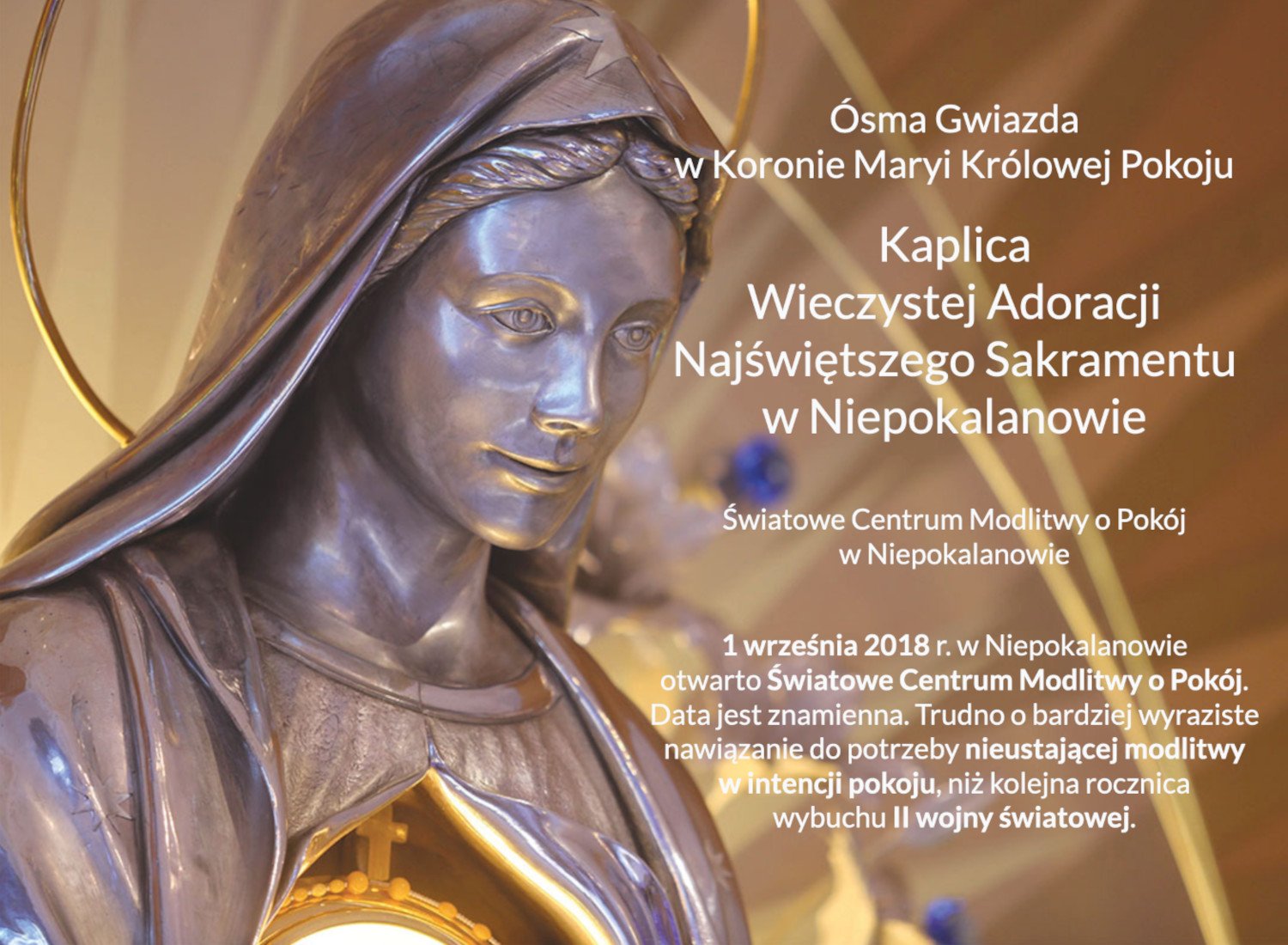

The Eucharistic Adoration Chapel established by Saint Maximilian Kolbe was inaugurated at the outbreak of World War II. It was restored as a Chapel of Adoration in September, 2018, the commemoration of the date that the war began. It is now part of the World Center of Prayer for Peace. The live internet feed of the Adoration Chapel at Niepokalanow — sponsored by EWTN — was established just a few weeks before we discovered it and began to include in at Beyond These Stone Walls. Click “Watch on YouTube” in the lower left corner to see how many people around the world are present there with you. The number appears below the symbol for EWTN.
Click or tap here to proceed to the Adoration Chapel.
The following is a translation from the Polish in the image above: “Eighth Star in the Crown of Mary Queen of Peace” “Chapel of Perpetual Adoration of the Blessed Sacrament at Niepokalanow. World Center of Prayer for Peace.” “On September 1, 2018, the World Center of Prayer for Peace in Niepokalanow was opened. It would be difficult to find a more expressive reference to the need for constant prayer for peace than the anniversary of the outbreak of World War II.”
For the Catholic theology behind this image, visit my post, “The Ark of the Covenant and the Mother of God.”